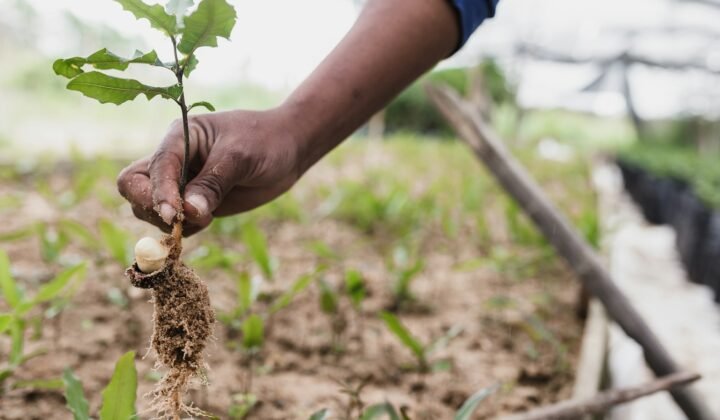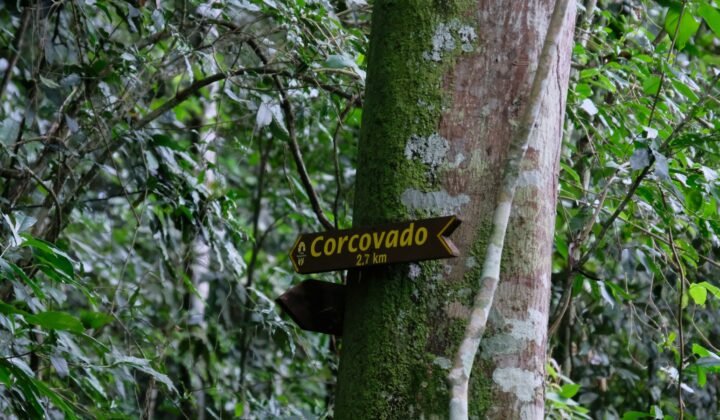
New amphibian species named «Maria» honours an enslaved woman who replanted Tijuca Forest
Siphonops maria, found in Rio de Janeiro, also honours Brazil's more than 12 million Marias.
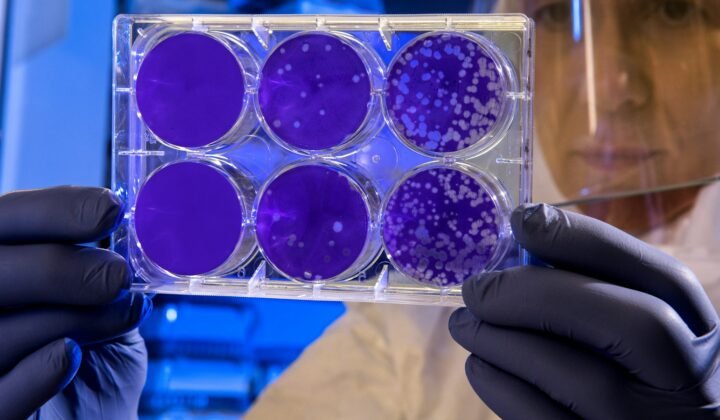
Macrophages change their metabolism in the first hours after detecting a microbe, through a switch called HIF-1α.
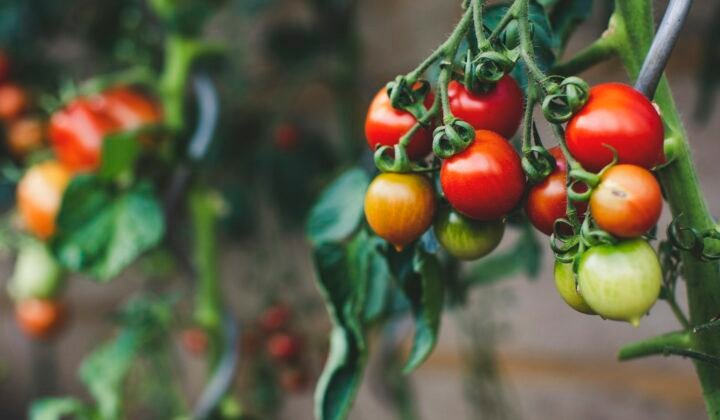
A study involving USP found how a small change in an enzyme determines the plant's defence against the tomato leafminer.
Atomic-scale simulations suggest fluoride-releasing electrolytes can seal the anode's weak spots and prevent dangerous dendrites.
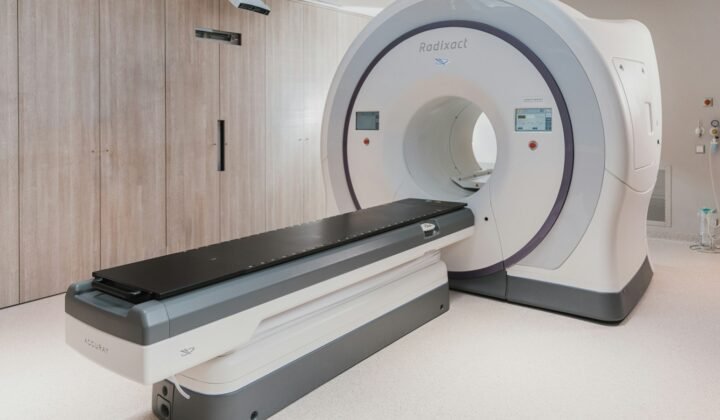
Hospital de Amor in Barretos is combining genetic and lifestyle data to build risk tools suited to the Brazilian population.
FAPESP signed an agreement so that São Paulo researchers can work with data from the Vera Rubin Observatory in Chile.
In 2025 there were 1.499 million children and teenagers in child labour, 151,000 fewer than the year before.
The fifth auction approved 49.95 billion reais in potential investment and drew demand of 181 billion.
The partnership will adapt the ProFloresta+ experience and prepare long-term investment for the country's different biomes.
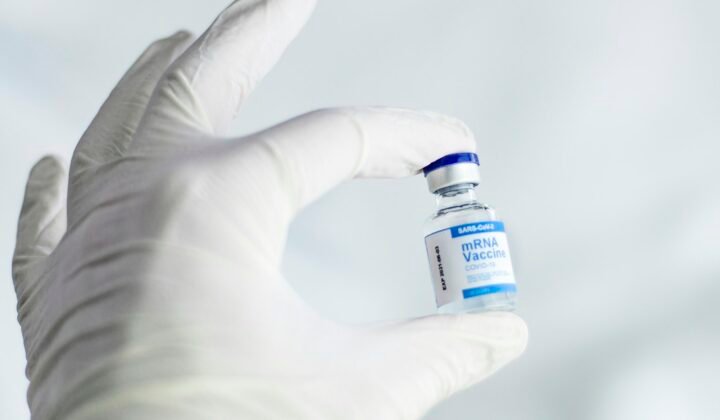
The public health system offers free protection against more than 20 diseases and keeps the country free of endemic measles.
The Rio hospital reopened its 24-hour emergency department, gained a new haemodynamics room and tripled its number of surgeries.
The facility at UFMG brings research, companies and the public health system together to turn discoveries into treatments and vaccines.
Positive news every day. No spam, no drama.
Visitantes ordenados do maior para o menor
A carregar...
All recordings are in the public domain · Wikimedia Commons / Musopen