Spanish fishermen turn marine litter into yarn for clothing
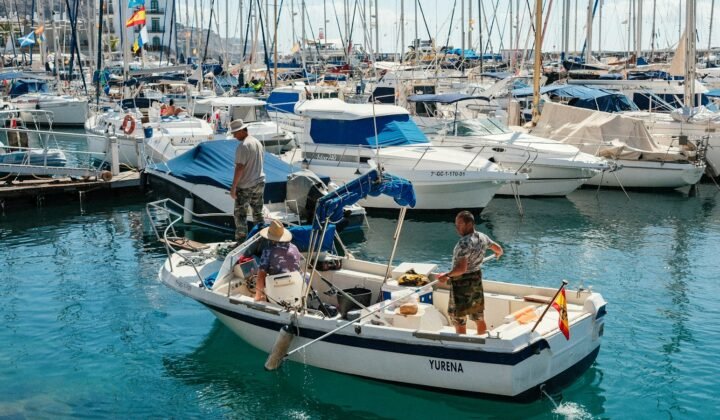
Almost 5,000 fishermen work with the Ecoalf Foundation, whose programme has already removed more than 2,000 tonnes of waste from the oceans.
Nature recovering, greener cities and good ideas for the planet.
Almost 5,000 fishermen work with the Ecoalf Foundation, whose programme has already removed more than 2,000 tonnes of waste from the oceans.
Amphistar uses a yeast to turn organic leftovers into surfactants, key ingredients in cleaning products and cosmetics, as an alternative to petrochemicals.
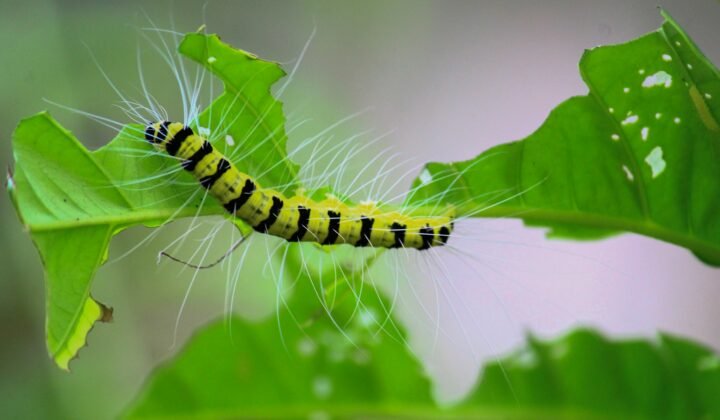
Authorities are relying on biological control and caterpillar-collecting contests to protect the Chinese capital's trees.
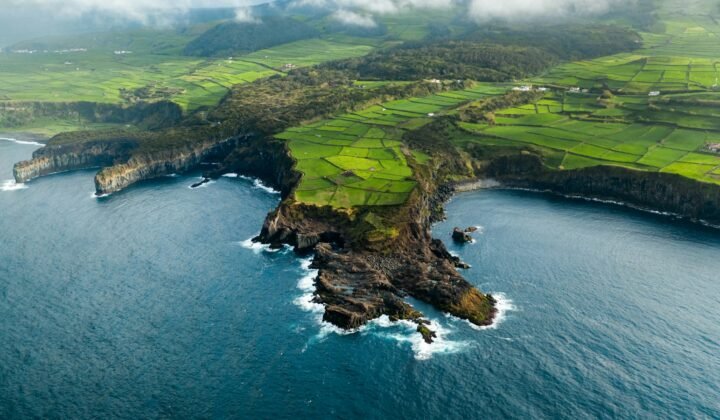
Horta Council will invest €300,000 of European funds in a pilot project that could be replicated in the Azores, Madeira, the Canary Islands and Cape Verde.
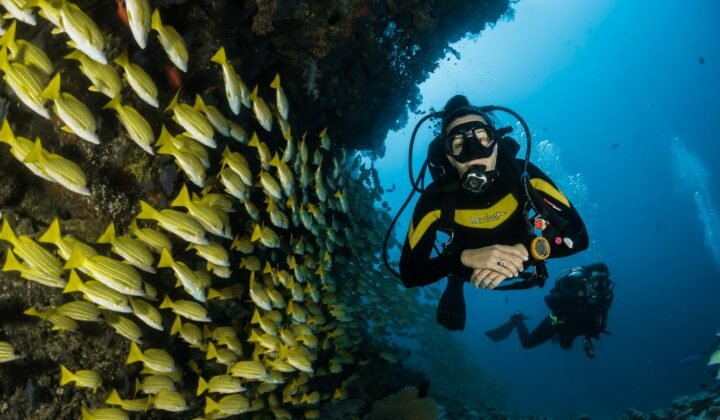
Kylie Smith, co-founder of the organisation I.CARE, has been honoured by NOAA for involving the community in restoring the coral reefs of the Florida Keys.
Researchers at Kyoto University have shown that catching a small beetle with an attractant trap can indicate habitat quality in forests logged for timber.
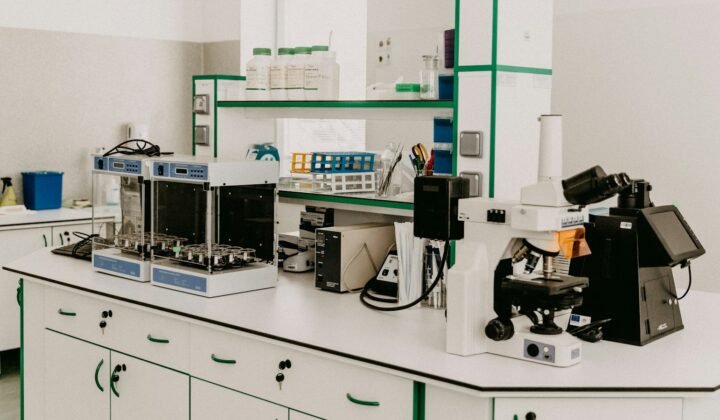
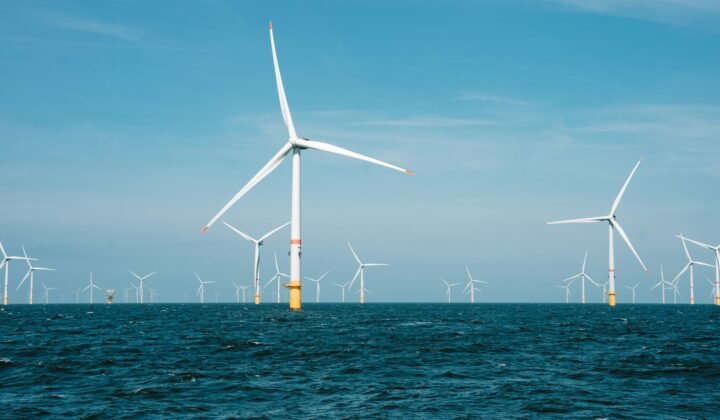
The SeaEly project, coordinated by Fraunhofer IWES, has built test rigs to study electrolysis with salt or brackish water, saving drinking water.
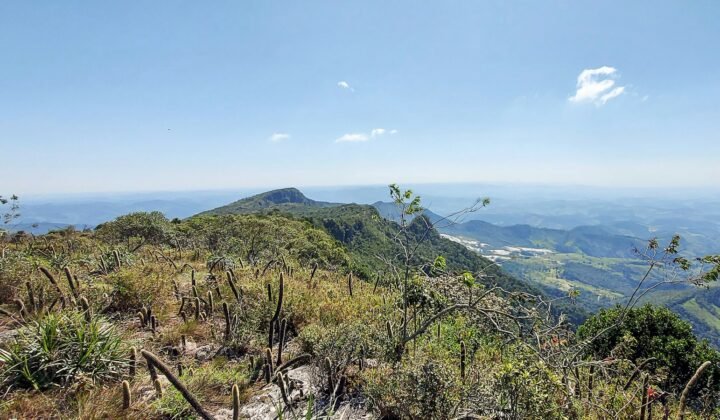
The Brazilian government has officially recognised the Serra dos Pireneus Mosaic, near Pirenópolis, to coordinate the conservation of the region’s biodiversity.
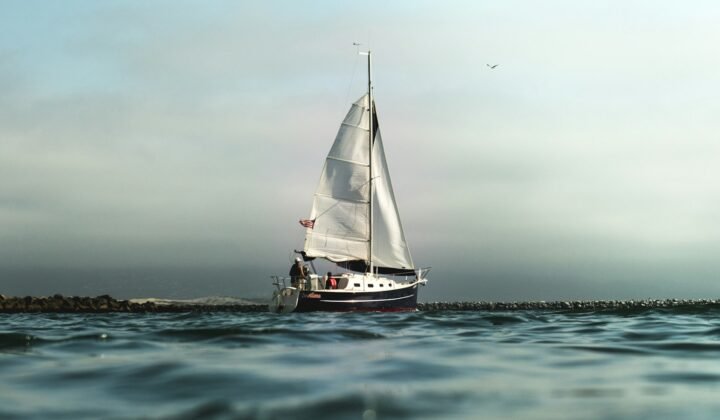
The VELA LAB project aims to turn pleasure boats into small floating laboratories that collect oceanographic data.
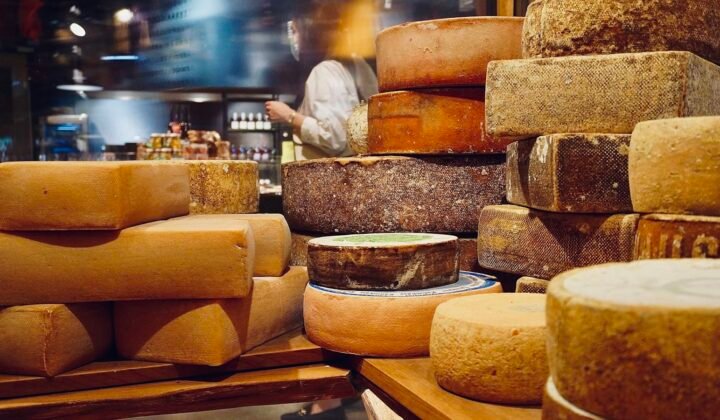
The Berlare company won the BioVLAM 2026 award, which recognises innovation and sustainability in the Flemish organic sector, for its organic paneer and labneh.
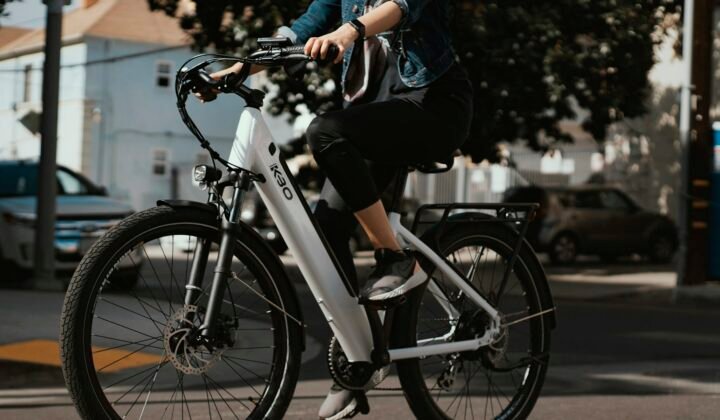
More electric bikes than conventional ones are now sold in Flanders, and the bicycle's share of journeys has risen from 12% to 20% since 2015.
The 7th edition of the initiative that reserves roads for cyclists during the summer recorded 50,161 bikes on its 14 circuits, 15% more than in 2025.