NASA’s Voyager 1 makes history by reaching one light-day from Earth
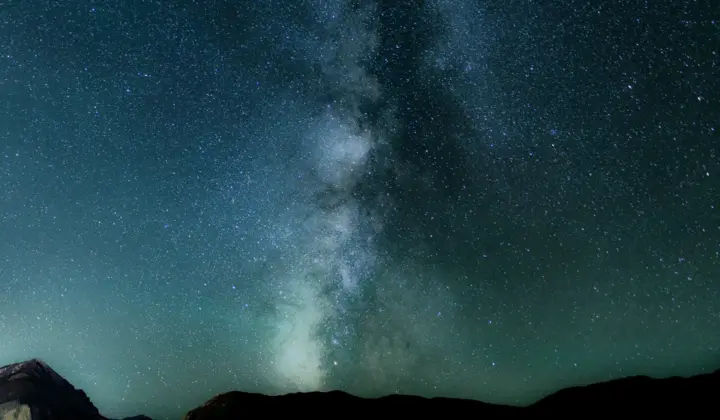
Launched in 1977, the probe is now about 25.9 billion kilometres away: a radio signal takes 24 hours to reach us.
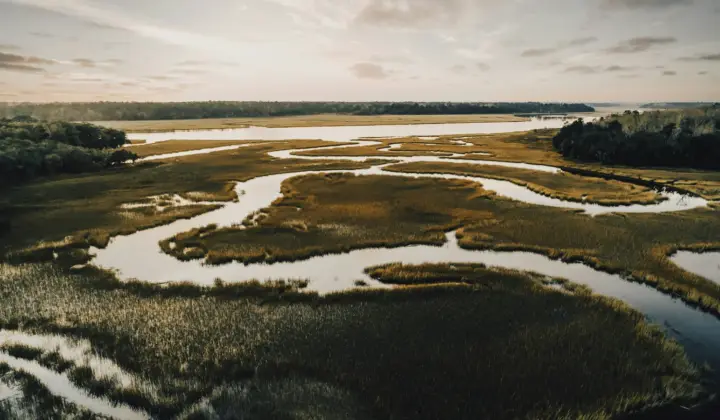
Researchers from the University of Georgia and Georgia Tech receive nearly a million dollars to restore salt marsh and shoreline in Camden County.
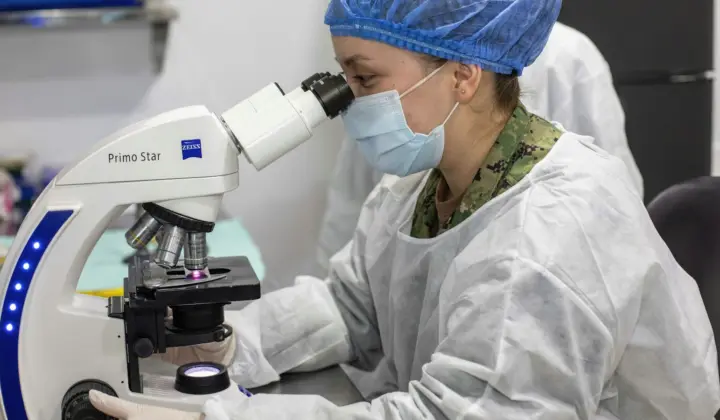
Nearly three in ten Wisconsin residents live in rural areas, but only one in ten physicians practises there; the new campus aims to change that.
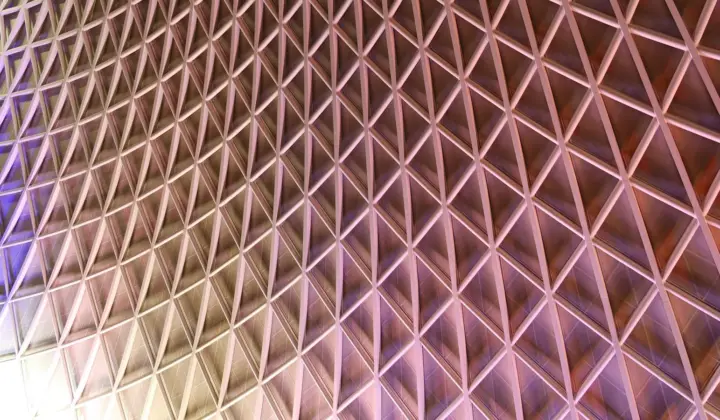
Engineers at MIT and Northeastern designed 'scale-rich' structures with elements of many sizes, like those found in bones and leaves.
The system flags parts of a design where a human may want to step in, and improved buckling load by 39% while adding only about 15 seconds.
Miana Smith's 'voxels' tolerate errors of about 10 millimetres and could cut buildings' embodied carbon by roughly 80%.
The flapping-wing robot flies without an external motion-capture system and managed to land on a sunflower.
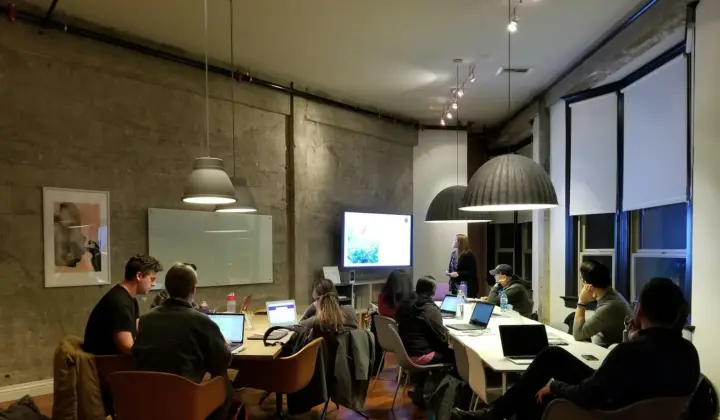
The 14–15 November hackathon brought together teams at 593 events worldwide, working with NASA's open data.
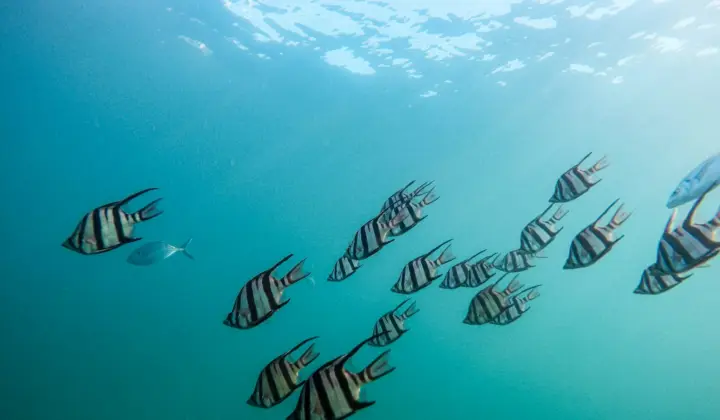
A Whitehead Institute (MIT) and Charité team mapped more than 600,000 cells of a tiny transparent fish and made the data freely available.
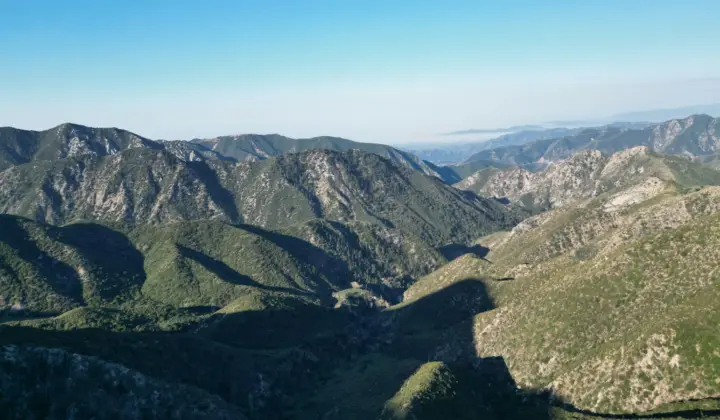
The new maps, built with airborne lidar, have one-square-metre pixels and will help assess wildfire risk and protect ecosystems.
The new transatlantic centre will have US$13.3 million over five years and give researchers access to two major German fusion machines.
The LUCID device, tested in mice, could help prevent aggressive brain tumours from coming back.
Positive news every day. No spam, no drama.
Visitantes ordenados do maior para o menor
A carregar...
All recordings are in the public domain · Wikimedia Commons / Musopen