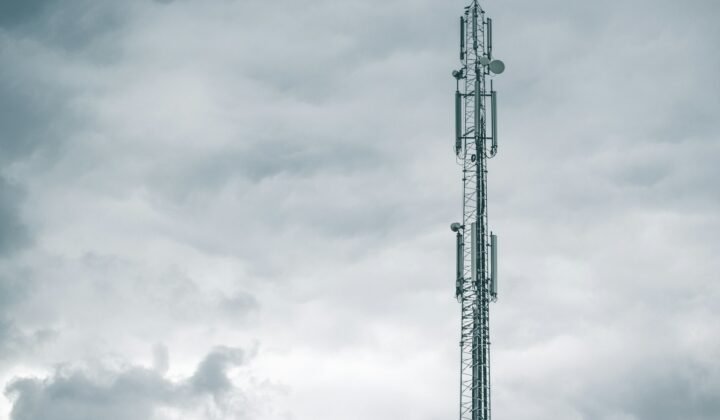
Laser and plasma antenna transmits radio signals like a “lightsaber”
Researchers at North Carolina State University have created an antenna born from a laser beam that could one day change its length and direction.
Researchers at North Carolina State University have created an antenna born from a laser beam that could one day change its length and direction.
Researchers at the University of Central Florida have found signs of altermagnetism in a layered material that could help create more efficient electronics.
Two Scripps-led studies in Hawaii show that playing the sounds of a living reef underwater attracts coral and fish larvae.
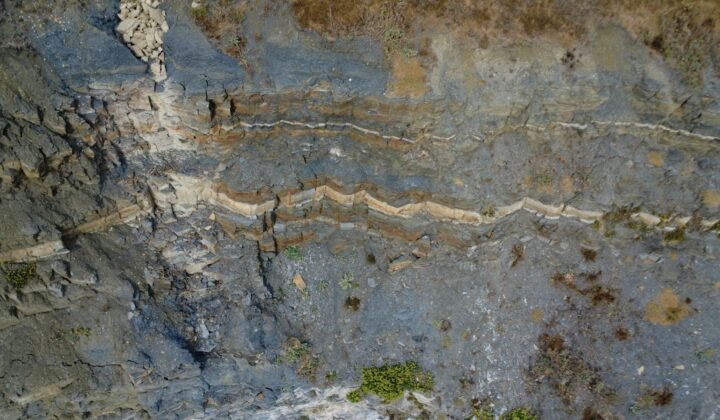
Ancient rocks from South Africa reveal a natural cycle that helped oxygen build up in the atmosphere after the Great Oxidation Event.
MIT's tiny robot responds to light, changes direction and could inspire delicate environmental monitoring systems.
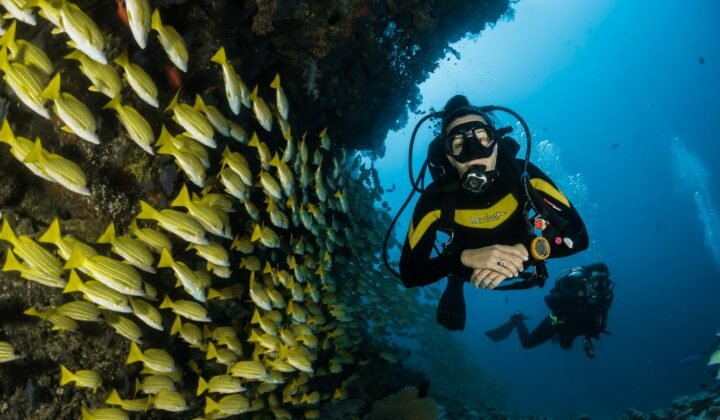
During a litter clean-up in Pewaukee Lake, a diver discovered a canoe carved from an oak trunk by Indigenous peoples about a thousand years ago.
For the first time, a low-mass star has been observed absorbing matter from another low-mass object, in a system about 300 light years from Earth.
The MIT for America programme aims to bring maths tutoring, artificial intelligence training and hands-on learning to schools and colleges across the United States.
The American Olympic champion ran 12.09 seconds at the Zurich Diamond League, taking three hundredths off the previous world record.
Kylie Smith, co-founder of the organisation I.CARE, has been honoured by NOAA for involving the community in restoring the coral reefs of the Florida Keys.
A wristband that uses vibration to reduce tremors, born from a student project at MIT, has received FDA clearance for adults with essential tremor.
More than 800 gigabytes, including more than 11,000 images and videos of the Moon, are now accessible to scientists and the public.
Every morning at 8, a story to make you smile. No spam, no drama.