China unveils AI-powered robot to help breed better wheat varieties
A prototype developed by Shandong Agricultural University aims to make choosing the most promising plants faster and more objective.
A prototype developed by Shandong Agricultural University aims to make choosing the most promising plants faster and more objective.
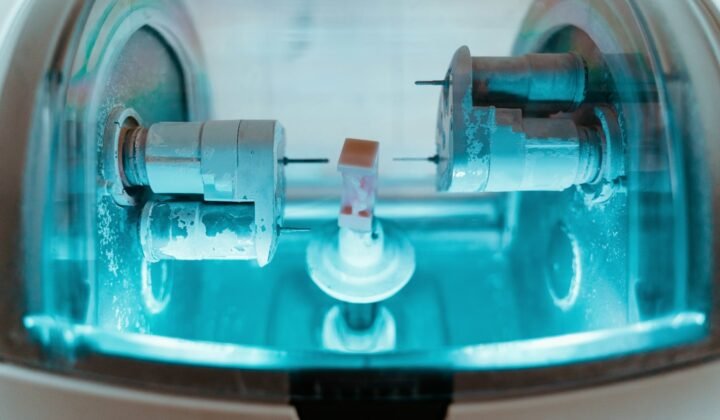
Researchers at the University of Tokyo have created a small capsule that, controlled by external magnets, extends a brush to collect samples from the intestinal wall.
The European WildBotics project, coordinated by the Bruno Kessler Foundation, aims to monitor wild animals more precisely and less invasively.
A porous silicon layer made it possible to orient gallium nitride nanowires, which then emitted more than three times as much light, an advance useful for micro-LEDs and nanolasers.
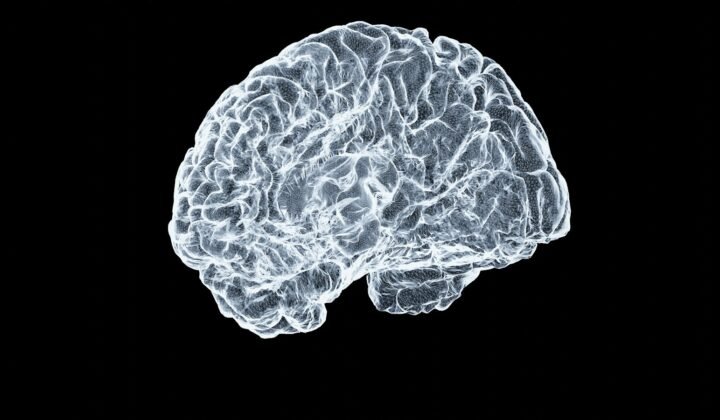
The Luxembourg Institute of Health's BrainEXP project aims to extract from routine MRI scans information that currently requires a PET scan, which is more expensive and less accessible.
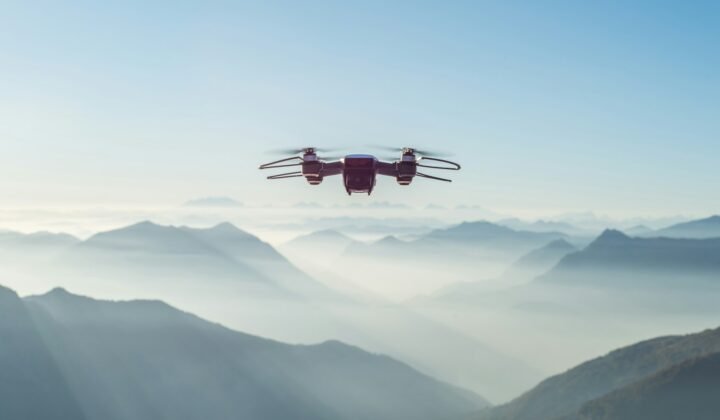
A communication system designed for the Internet of Things has sent high-definition video from a drone in flight, paving the way for communications in disasters and mountainous areas.
Fraunhofer IGD has developed software that measures bone density from routine CT scans, with no additional tests for the patient.
The French company has revealed ML4, a model trained from scratch in European data centres, whose weights will be made openly available.
The European ResPECT project, funded with €15.8 million, aims to turn patients' accounts into useful clinical information for doctors and policymakers.
Researchers in Guarda have unveiled a smart dressing for chronic wounds and a microalgae gel to treat drug poisoning.
Start-up Focused Energy wants to build a laser fusion power plant at Biblis capable of supplying two million homes.
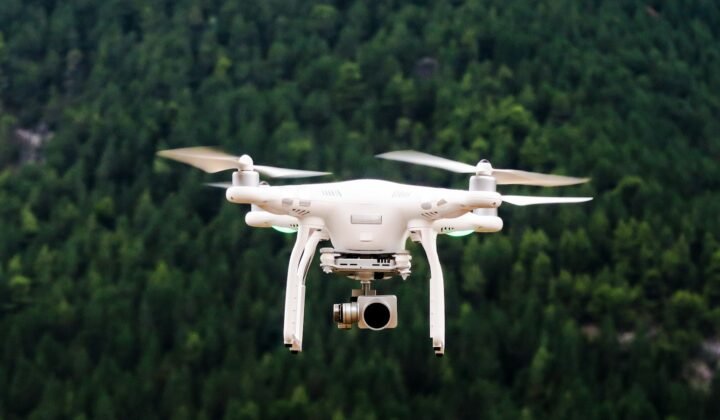
Cleiton Michaque, an electronic engineering student in Maputo, is testing an autonomous drone to deliver medicines where roads do not reach.