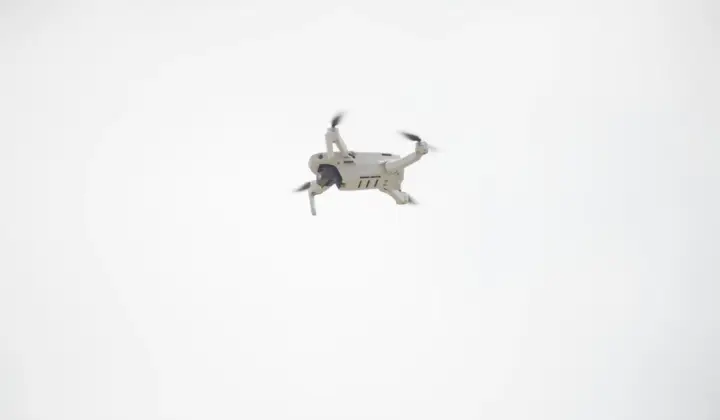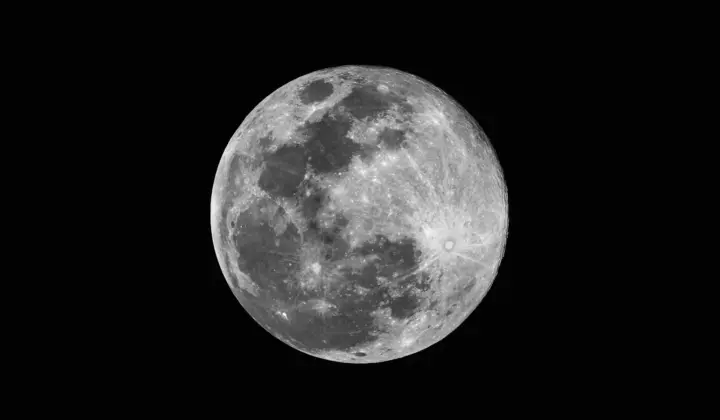
KAIST students win the first Korea Space Rover Challenge with a robot that measures the Moon’s static electricity
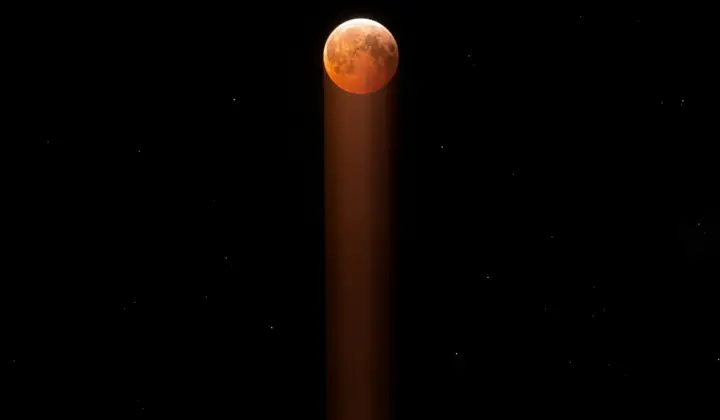
Team STAR took the Grand Prize with WIPER, a rover of up to 3 kg whose wheels collect and measure electric charge on lunar soil.
The lithium-sulfur cathode, with nanowires grown on carbon-fibre cloth, stayed intact after 1,000 bending cycles.
The collaboration with South Korean group ENHYPEN helped the Drop Your Drop campaign gather more than 9,000 donation pledges in 177 countries.
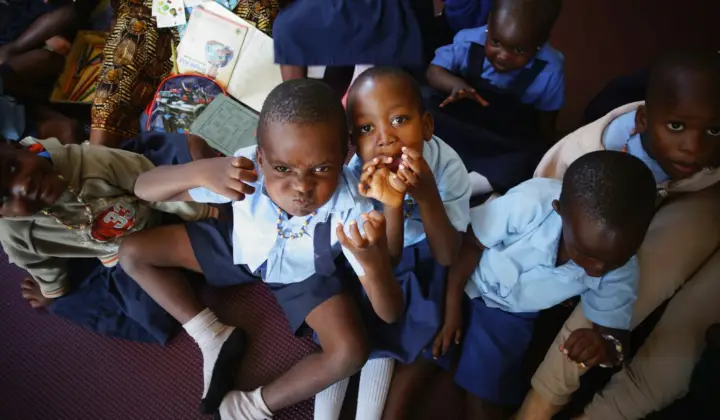
The US$2 million given to the World Food Programme pays for home-grown school meals from local farmers and for malnutrition treatment.
The museum, in Seoul’s Olympic Park, aims to preserve and display the history of Korean sport and opened on 15 October.
September figures show more than 29.2 million people in work and an employment rate of 70.6% among 15- to 64-year-olds.
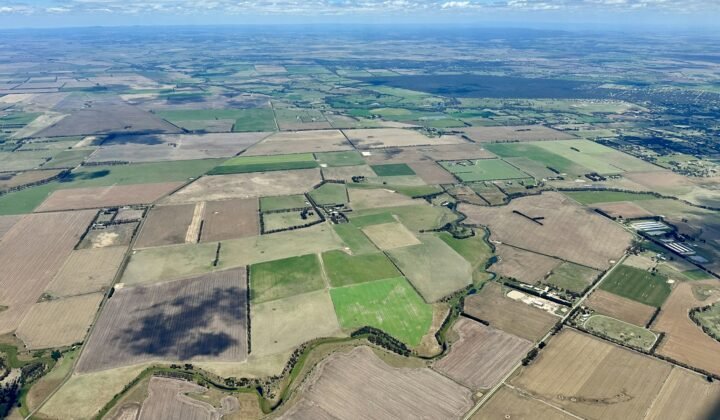
KAIST’s GeoCore-9B model reconstructs ground hidden by clouds and turns radar images into photo-like images.
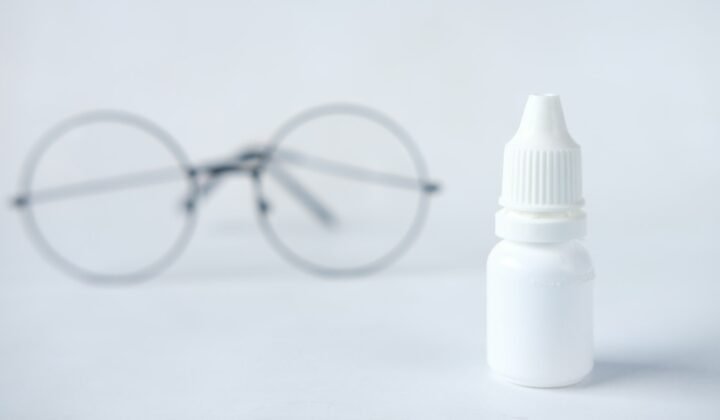
KAIST’s device uses a reaction between vitamin C and baking soda to push the drops, with no pump or electricity.
A South Korean ship completed a trial voyage between Korea and Europe via the Arctic route, carrying 700 containers.
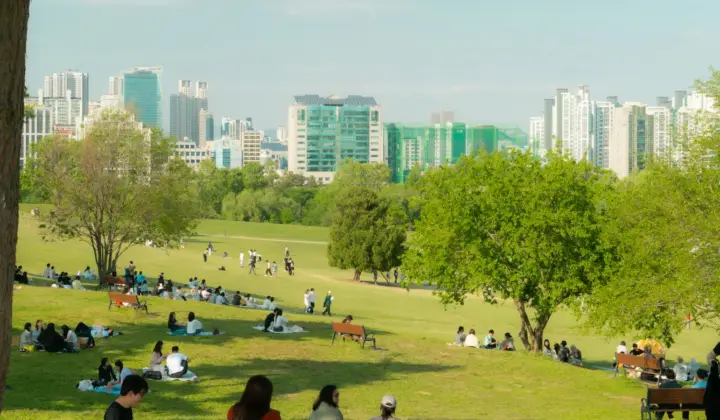
South Korea ranked fourth out of 139 countries in the Global Innovation Index and led the ranking in Asia.
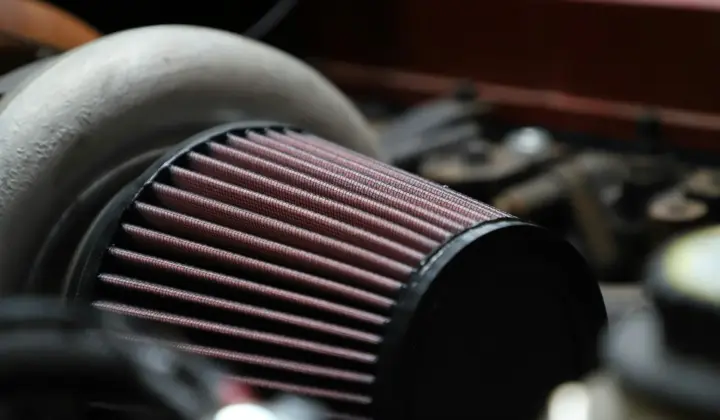
A system developed in South Korea captures fine dust from the air and from brakes while the car is moving.
The Nuri rocket placed five microsatellites and several CubeSats in their planned orbits, with communication confirmed the same day.
Positive news every day. No spam, no drama.
Visitantes ordenados do maior para o menor
A carregar...
All recordings are in the public domain · Wikimedia Commons / Musopen