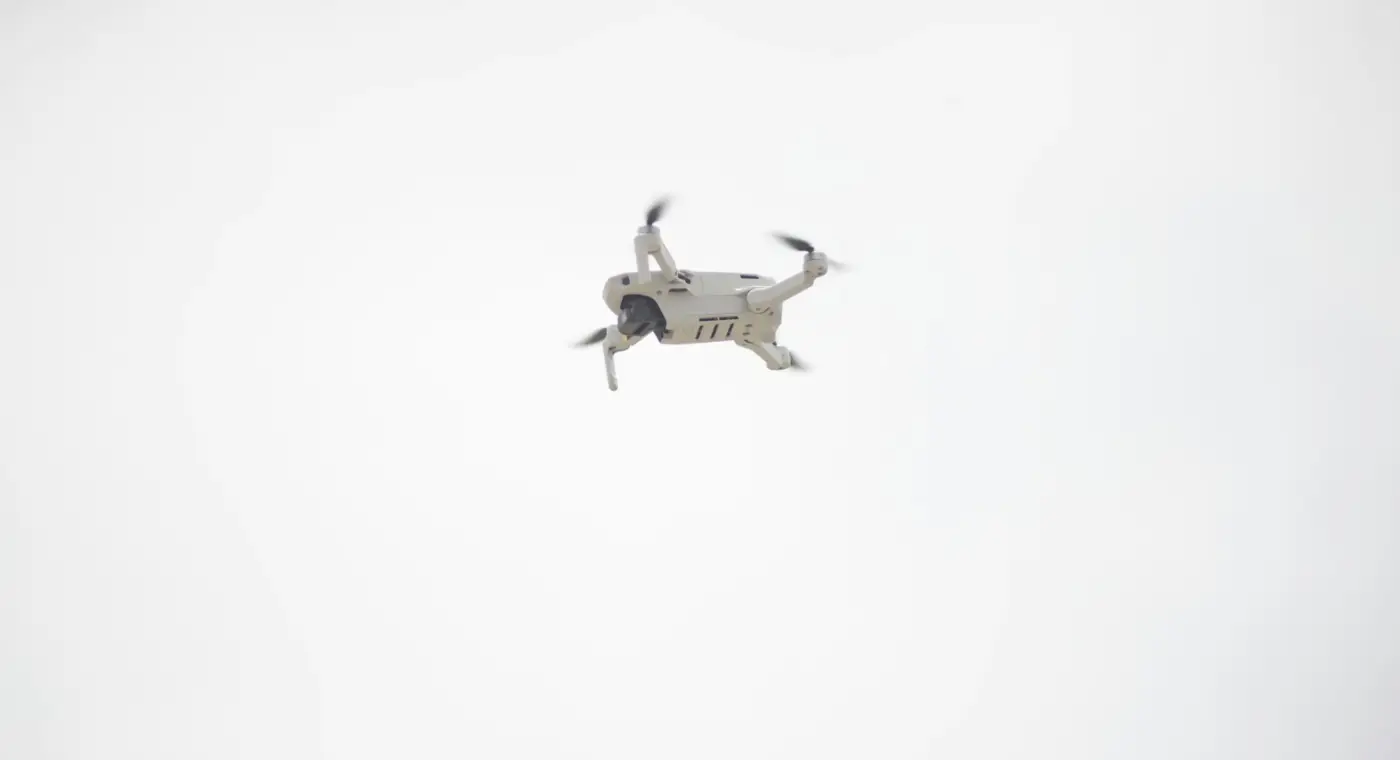
Researchers in the Department of Mechanical Engineering at the Korea Advanced Institute of Science and Technology (KAIST), led by Il-Kwon Oh, working with Leif E. Asp of Chalmers University of Technology in Sweden, have developed a flexible cathode for lithium-sulfur batteries designed for curved parts such as drone legs. The work was published in Advanced Composites and Hybrid Materials.
The team grew nickel-cobalt selenide nanowires directly on woven carbon-fibre cloth, without binders. This structure traps polysulfides better — a known weak point of lithium-sulfur batteries — and creates continuous pathways for electrons along the fibres.
The cathode kept the nanowire–fibre bond after 1,000 bending cycles at a radius of 2.5 millimetres, and cells built with these electrodes showed discharge behaviour comparable to fresh ones. More research is needed before the technology can be used in a structural battery that carries the real load of a drone or robot.