True stories, short and simple, for parents to read with their children. Each one has a question to talk about together. All of them come from LITOS NEWS stories with an official source.
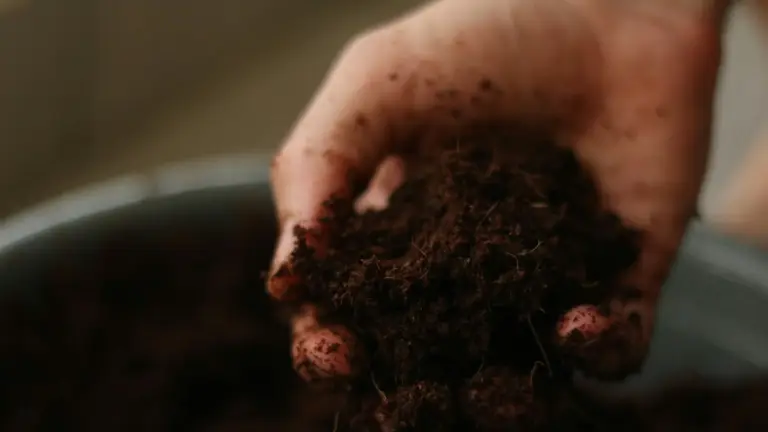
Indonesian students give a Papuan school a simple device to test soil fertility
Students from Indonesia brought a very simple device with a light bulb to a school to test soil. When they mixed the soil with compost, which is fertiliser made from plant and animal waste, the bulb lit up much more brightly. This way pupils learn how to improve the soil.
💬 Let's talk: What food scraps from your home could be turned into compost?
Read the full story →
Thai school bands shine at Khon Kaen University's international music and marching competition
In Thailand, bands from many schools played and marched in a big music competition. The young musicians showed their talent and teamwork, and one school won a trophy given by the king.
💬 Let's talk: Which instrument would you like to play in a band?
Read the full story →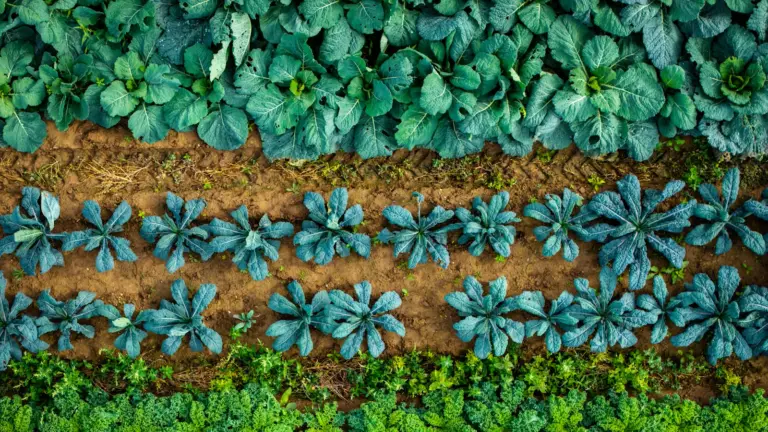
Indonesian students and Papuan farmers harvest the first vegetables from a demonstration garden
In Papua, a region of Indonesia, students and farmers made a vegetable garden to learn together. They planted vegetables such as spinach, watered them with sprinklers and used compost made from plant waste. And they have already picked the first vegetables!
💬 Let's talk: Which vegetable or fruit would you like to grow in a garden?
Read the full story →
Mozambican university uses science to help the under-17 team prepare for the World Cup
Mozambique has a football team of boys under 17, called the Mambinhas, who will play in the World Cup in Qatar. Scientists from a university spent two months studying the players' strength, fitness and food to help them prepare better.
💬 Let's talk: What do you think an athlete should eat to have lots of energy?
Read the full story →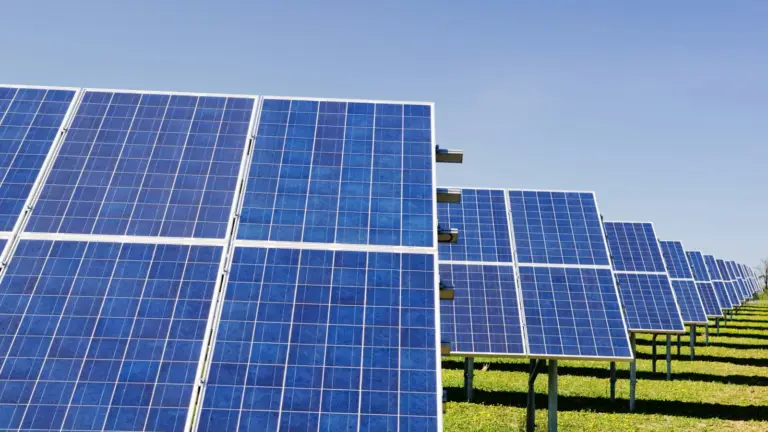
Bolivia and Germany launch a university project to speed up renewable energy
In Bolivia, a university and Germany have started a project to use more energy from the Sun and other sources that never run out. The university even has a park of solar panels where studies are done!
💬 Let's talk: In what ways could the Sun's energy help in your home?
Read the full story →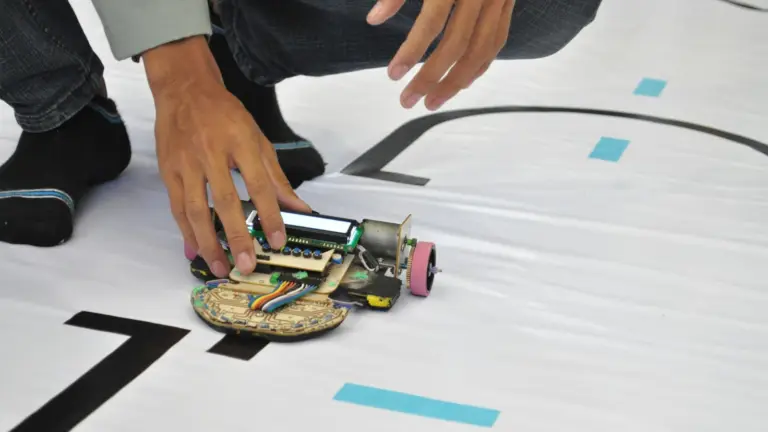
Scores of young Jamaicans explore science and technology at the University of Technology's open house
In Jamaica, a university opened its doors to secondary school pupils. They could discover more than 100 courses and try things out, like a small robot that shows how movement and speed work.
💬 Let's talk: If you built a robot, what would you want it to do?
Read the full story →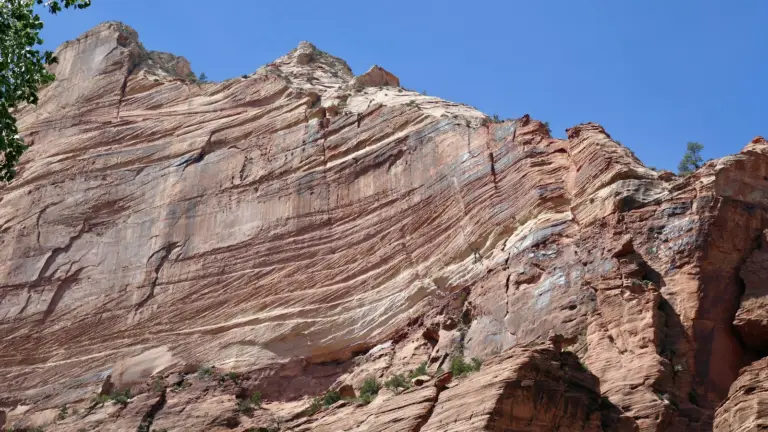
Khon Kaen Geopark in Thailand takes a decisive step towards becoming a UNESCO Global Geopark
In Khon Kaen, Thailand, there is a park with very old rocks and landscapes. UNESCO, an organisation that protects treasures all over the world, approved an important step towards giving it a special title: Global Geopark. Scientists from the city's university help study and protect these rocks.
💬 Let's talk: What special rocks, mountains or landscapes are there near your home?
Read the full story →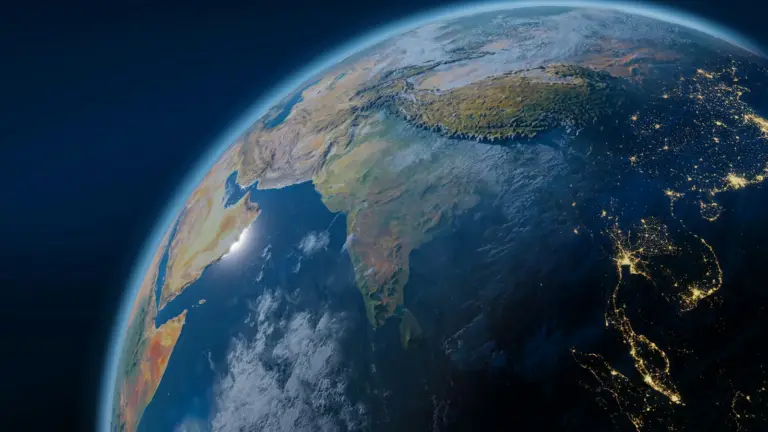
Hungarian university brings together 150 experts to discuss a sustainable space sector
In Hungary, 150 space experts got together to talk about how to explore space without making a mess of it. They showed a robot for exploring the Moon and special clothing for astronauts to wear under their spacesuits.
💬 Let's talk: What would you take with you on a trip to the Moon?
Read the full story →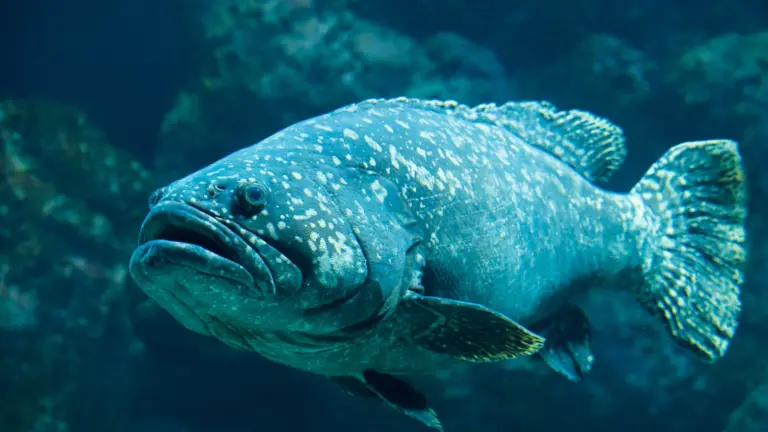
In Indonesia, a lecturer raises 1.5 kg groupers in tidal flood areas without feed
In Indonesia, there are places where seawater floods the land when the tide comes in. A teacher had an idea: raise fish called groupers there, next to trees called mangroves. The plants feed small fish, and those fish feed the groupers, so no food has to be bought!
💬 Let's talk: Can you think of another example in nature where one animal is food for another?
Read the full story →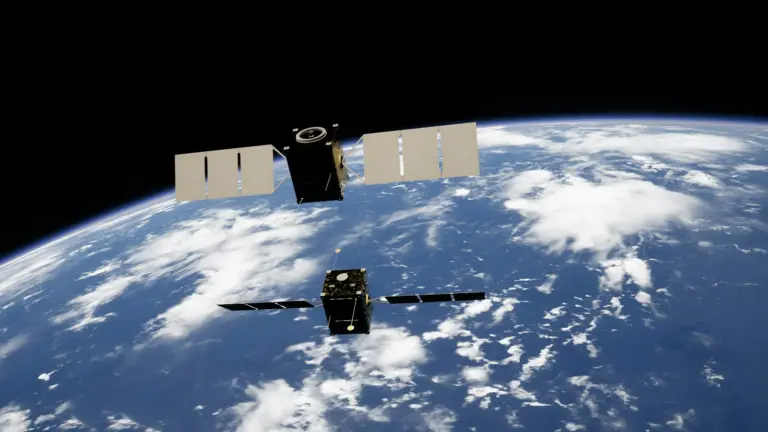
Bolivian students to put the Catholic University of Bolivia's first nanosatellite into orbit
In Bolivia, students are building a tiny satellite called Waskiri Sat, which means “studious child”. In 2028 it will be launched into space and take photos of the Earth. Those photos will help look after the environment and prevent natural disasters.
💬 Let's talk: If you could take a photo of the Earth from up there, what would you like to see?
Read the full story →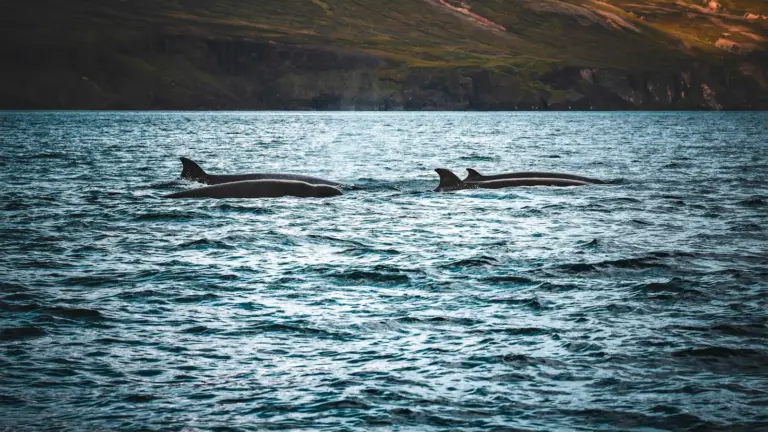
Seychelles researcher presents marine mammal study at a world conference
A scientist from the Seychelles, a group of islands in the Indian Ocean, went to a big meeting of scientists who study whales, dolphins and other sea mammals. She showed her work and talked with scientists from many countries, so that together they can understand and protect these animals better.
💬 Let's talk: Which sea animal would you like to study, and why?
Read the full story →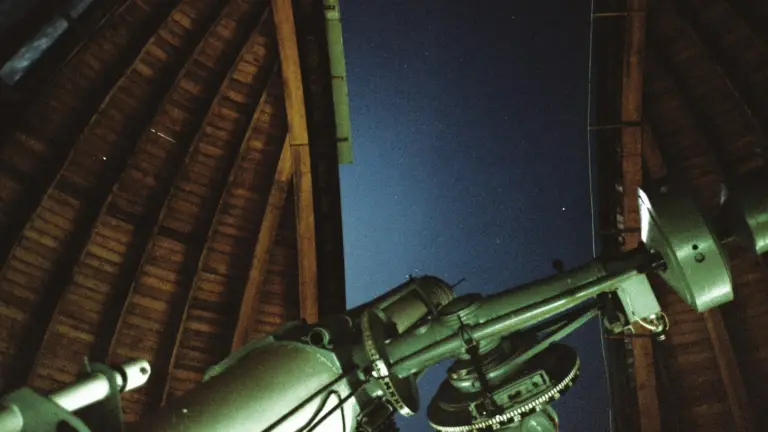
Lithuanian astronomer names seven asteroids after Olympic athletes
Asteroids are rocks that travel around the Sun. An astronomer from Lithuania named seven of them after Olympic athletes from his country. These asteroids travel through space alongside the planet Jupiter. He and his colleagues have already named more than 160 asteroids!
💬 Let's talk: If you discovered an asteroid, what would you call it?
Read the full story →