Italian instrument aboard BepiColombo switched on and ready to study Mercury
Simbio-Sys, developed with support from the Italian Space Agency, has taken its first image and shown that it is working properly.
Simbio-Sys, developed with support from the Italian Space Agency, has taken its first image and shown that it is working properly.
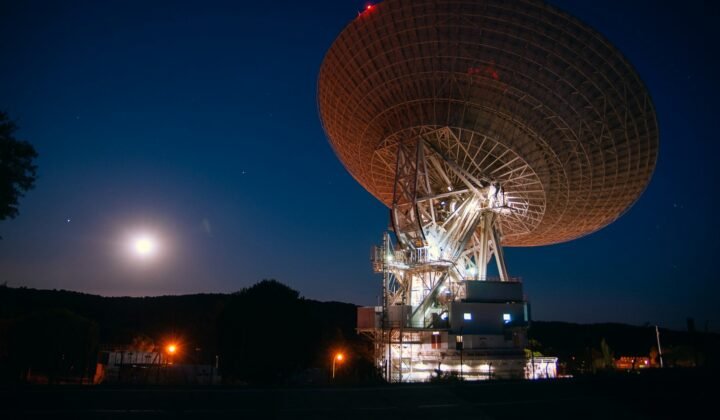
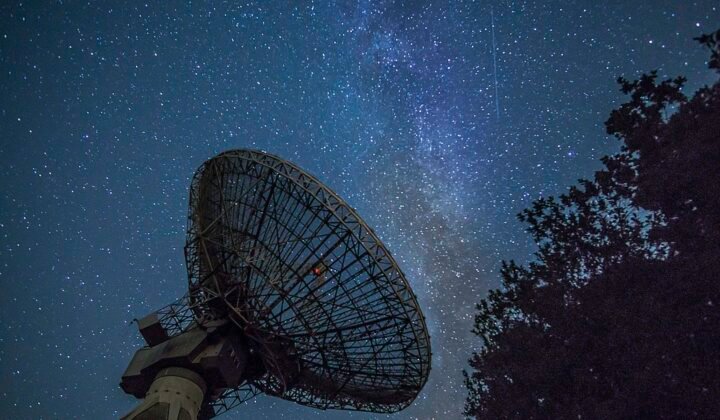
The FASHI survey lists 156,411 extragalactic sources, nearly five times as many as detected by the defunct Arecibo telescope.
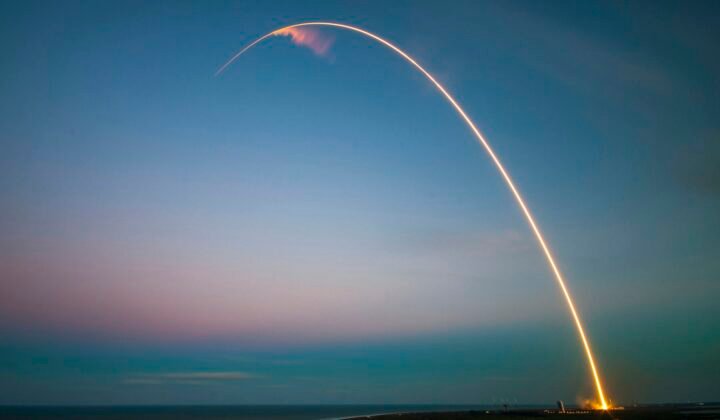
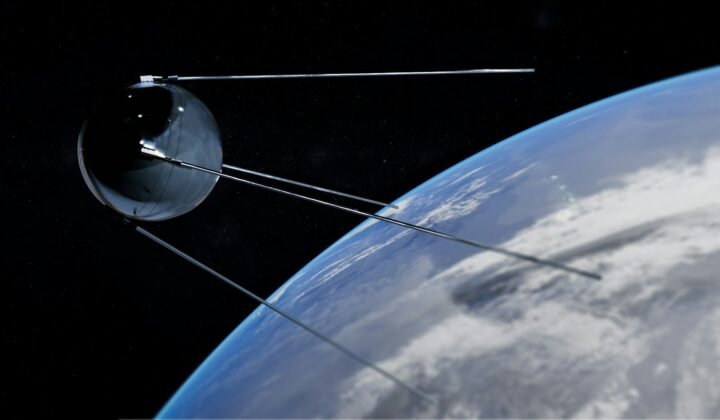
The South Korean launcher Nuri lifted off successfully from the Naro Space Center carrying 15 satellites, the most in its history.
For the first time, a low-mass star has been observed absorbing matter from another low-mass object, in a system about 300 light years from Earth.
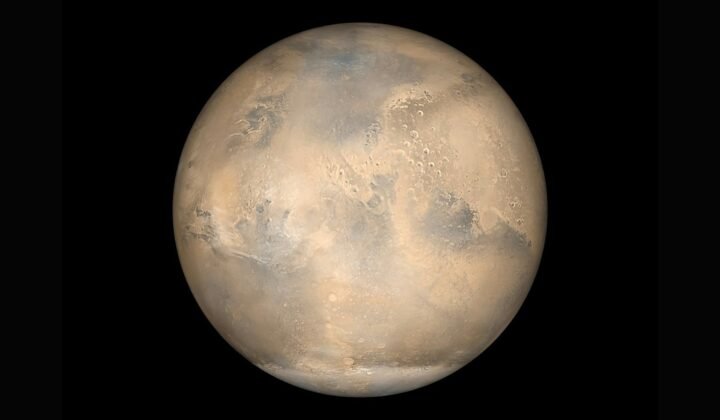
A study led by Tohoku University indicates where formaldehyde, a molecule linked to the origin of life, may have reached the Martian surface and points to possible targets for future missions.
A team led by the Max Planck Institute for Radio Astronomy has identified fully deuterated methanol near a forming star, using the ALMA telescope.
The French astronaut is due to command the Vast-PAM-1 mission in 2027, the first with three ESA astronauts in the same crew.
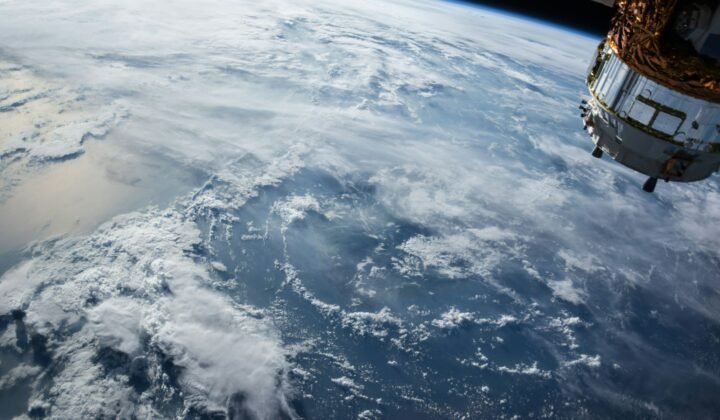
The Japan Meteorological Agency has begun using data from the AMSR3 sensor, which has made water vapour analyses more accurate.
The European probe passed through one of these S-shaped structures and made it possible to pinpoint the exact spot on the Sun's surface where it was born.
More than 800 gigabytes, including more than 11,000 images and videos of the Moon, are now accessible to scientists and the public.
The image of the IC 348 region, one of the largest ever released by Webb, shows the least massive brown dwarfs ever known.
Sentinel-3C and FLEX, a mission dedicated to measuring plant photosynthesis, were successfully launched from Kourou.