Luxembourg · Wednesday, 21 October 2026 Only good news · Every day

Unicamp and USP scientists discover how defence cells get quick energy at the start of infections

Macrophages change their metabolism in the first hours after detecting a microbe, through a switch called HIF-1α.

Unicamp and USP scientists discover how defence cells get quick energy at the start of infections
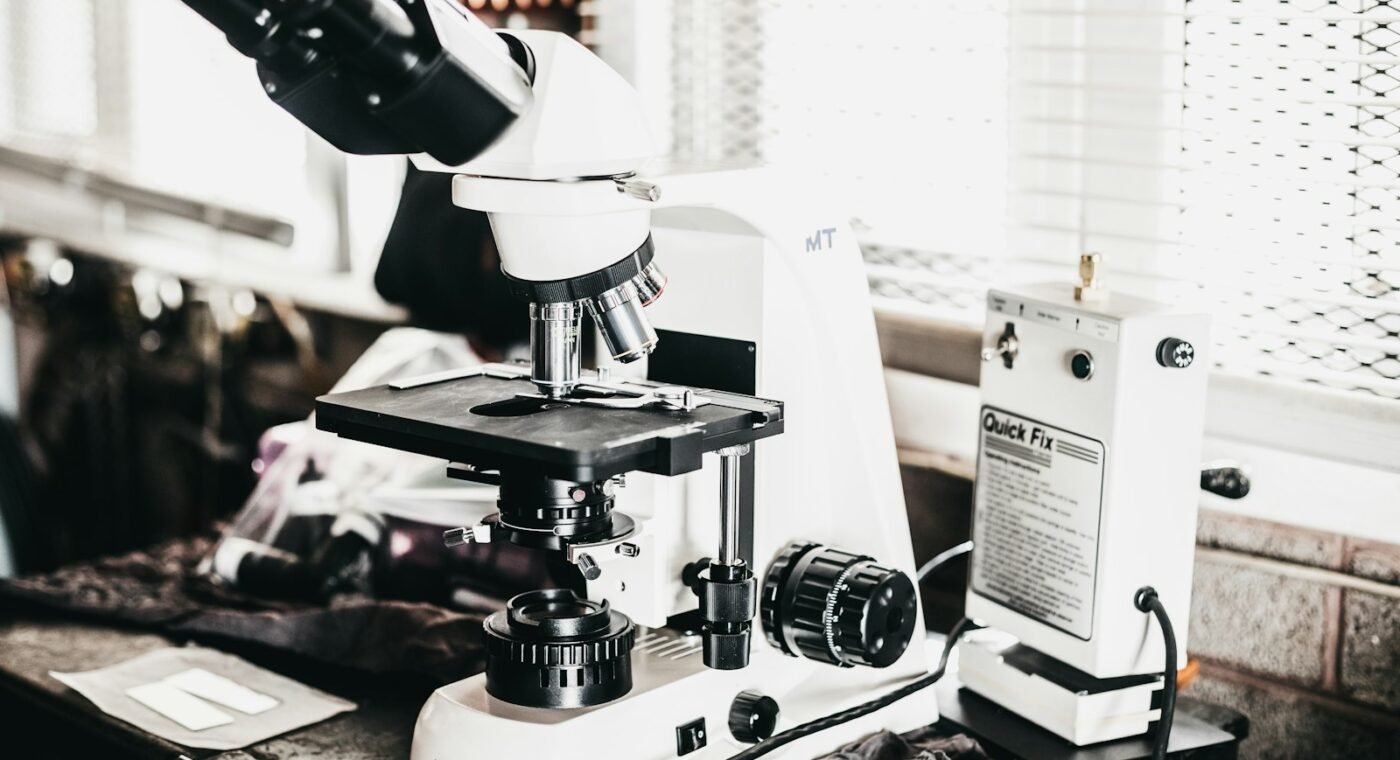
Illustrative image · Photo: Logan Gutierrez / Unsplash

Researchers at Unicamp and USP have shown that macrophages, immune cells that fight microbes, change the way they produce energy in the very first hours after detecting a pathogen, earlier than was known.

The protein HIF-1α acts as a switch: in a first phase, the cells use more glucose to get quick energy, which helps fight bacteria. Later, nitric oxide reduces energy production in the mitochondria, in a second phase driven by a different mechanism.

The study, published in Molecular Cell by Pedro Vieira (Unicamp) and Larissa Dias Cunha (FMRP-USP), suggests that acting on HIF-1α at the right time could strengthen the early response to infections such as sepsis and bacterial lung infections.

Original sourceAgência FAPESP — read the full story

This story was written with the help of artificial intelligence, based on the original source shown above. If you spot a mistake, please let us know. How we work

Leave a positive comment

Your email address will not be published. Required fields are marked *

One good story a day, in your inbox

Every morning at 8, a story to make you smile. No spam, no drama.

Serene harp