Luxembourg · Wednesday, 21 October 2026 Only good news · Every day

Brazilian study shows how to curb the faults that shorten sodium battery life

Atomic-scale simulations suggest fluoride-releasing electrolytes can seal the anode's weak spots and prevent dangerous dendrites.

Brazilian study shows how to curb the faults that shorten sodium battery life
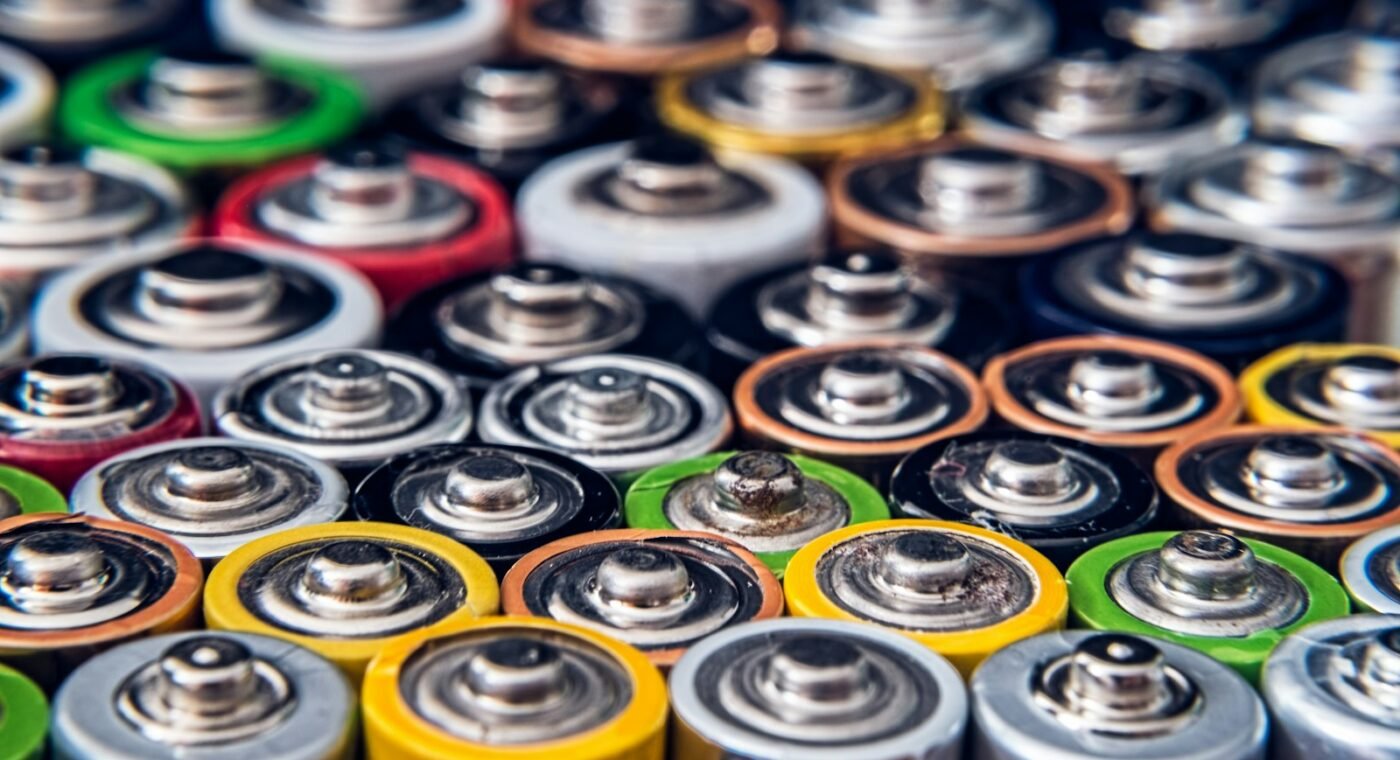
Illustrative image · Photo: Roberto Sorin / Unsplash

Sodium is more abundant and more widely distributed than lithium, making sodium batteries a promising option for storing renewable energy. Their weak point is dendrites, needle-like structures that grow on the anode, shorten battery life and can compromise safety.

Researchers at the Center for Innovation on New Energies (CINE), created by FAPESP and Shell and based at USP, Unicamp and UFSCar, simulated how 22 chemical species interact with imperfect sodium surfaces. They found that the defects act as highly reactive hotspots.

Fluoride-releasing electrolytes form sodium fluoride at those spots, a layer that can seal vulnerable areas and block dendrites. The study, coordinated by Juarez Da Silva of IQSC-USP, recommends testing formulas on realistic rough surfaces rather than perfectly flat models.

Original sourceAgência FAPESP — read the full story

This story was written with the help of artificial intelligence, based on the original source shown above. If you spot a mistake, please let us know. How we work

Leave a positive comment

Your email address will not be published. Required fields are marked *

One good story a day, in your inbox

Every morning at 8, a story to make you smile. No spam, no drama.

Serene harp