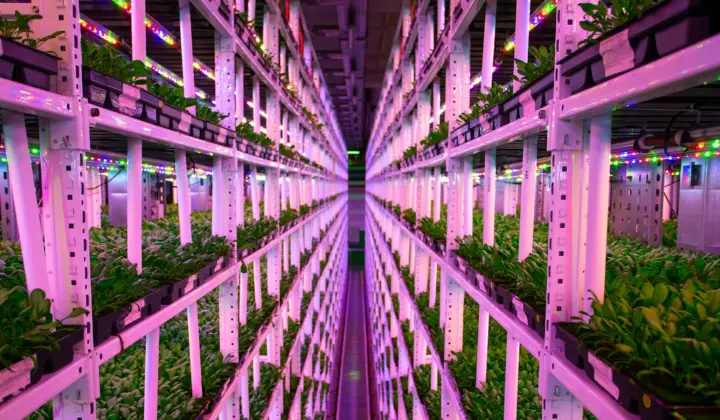
Norwegian robot grows and packs food all year round
A fully automated facility handles indoor growing from seed to packaging and aims to strengthen food security.
A system developed at Chalmers plans experiments, analyses results and proposes new tests in an automated loop.
A Swiss technology tailors the working fluid to each company's needs, making heat pumps more efficient and flexible.
A study indicates that the stiffness of tumour tissue affects the immune system's ability to fight cancer and could guide more personalised treatments.
Laboratory-grown orchids have been planted in traditional hay meadows to strengthen populations of a threatened species.
Research into more sustainable sensors could help track health through wounds and sweat and detect harmful bacteria in water.
A tiny EPFL sensor distinguishes several microcystins and reaches concentrations far below the limit recommended by the WHO.
Year 11 pupil Elima Afzalshoeva was part of the Russian team that topped the overall standings at IOCE 2026 for the third year running.
Researchers tested 'digital twins' with 645 participants and found that AI predicts religiosity and extraversion well but tends to idealise people.
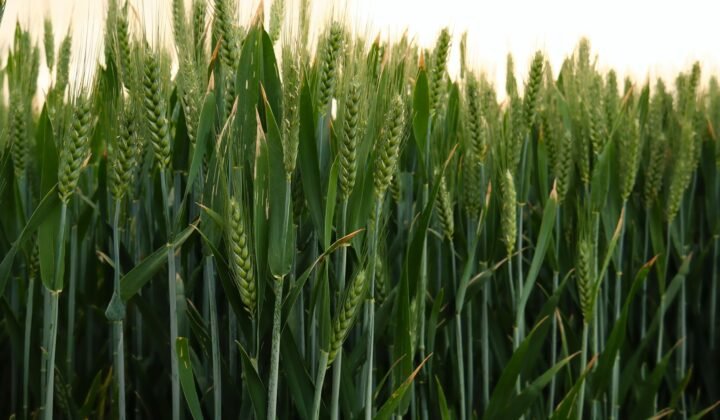
Russian chemists have developed a chitosan and glyoxal treatment that, in the laboratory, raised wheat productivity more than 1.5-fold and lowered the risk of disease.
Researchers at the University of Tokyo have created a small capsule that, controlled by external magnets, extends a brush to collect samples from the intestinal wall.
An international team has identified, from bone fragments found in Denisova Cave, a previously unknown bovine that lived in southern Siberia for hundreds of thousands of years.
Positive news every day. No spam, no drama.
Visitantes ordenados do maior para o menor
A carregar...
All recordings are in the public domain · Wikimedia Commons / Musopen