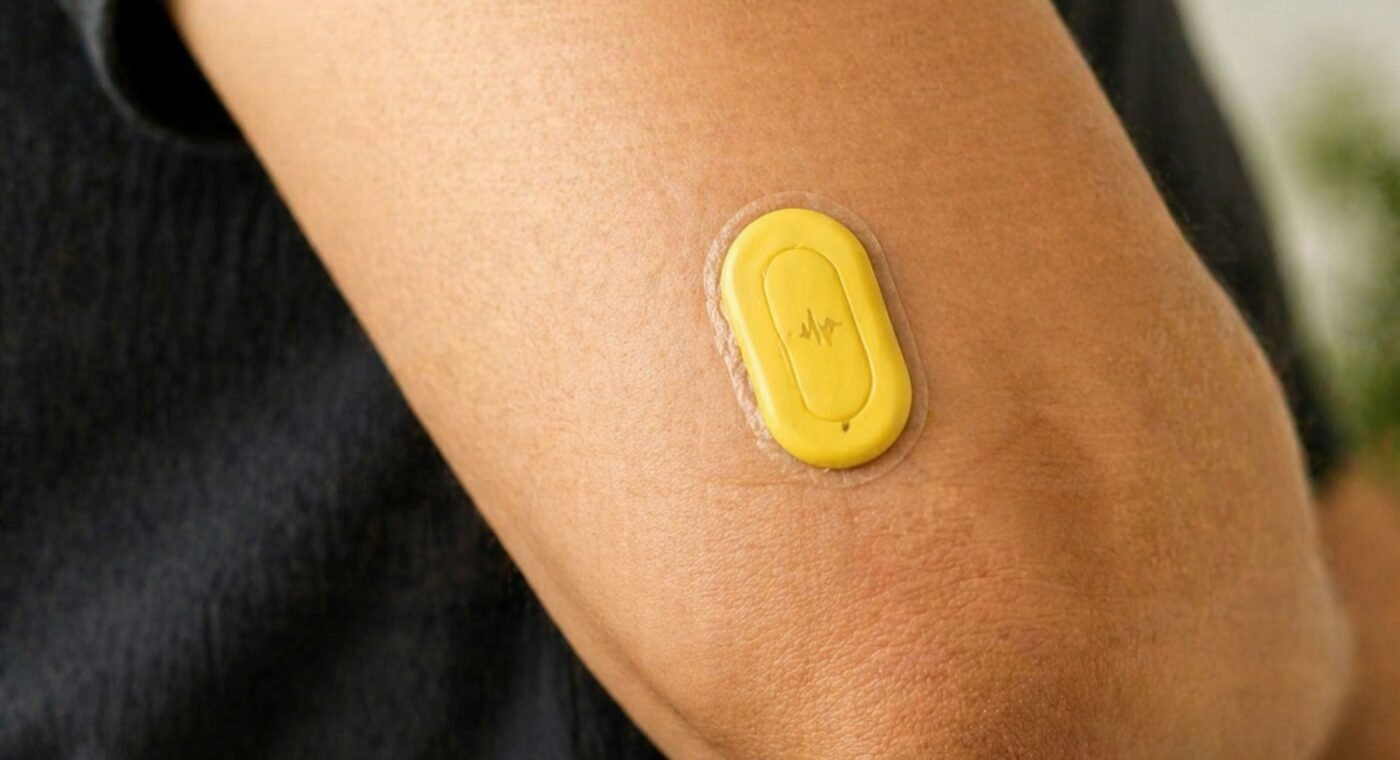
A team at Linköping University is developing sensors to monitor health through sweat or wounds, including flexible and wearable sensors, as well as systems to detect harmful bacteria in drinking water. The aim is to move these sensors from the laboratory into real-world use.
The researchers are also exploring biomass-derived materials as an alternative to make sensors more sustainable. In one project, biosensing elements are combined with optical readout systems to identify potential contaminants. Combining health, environmental safety and sustainable materials could make monitoring more accessible.