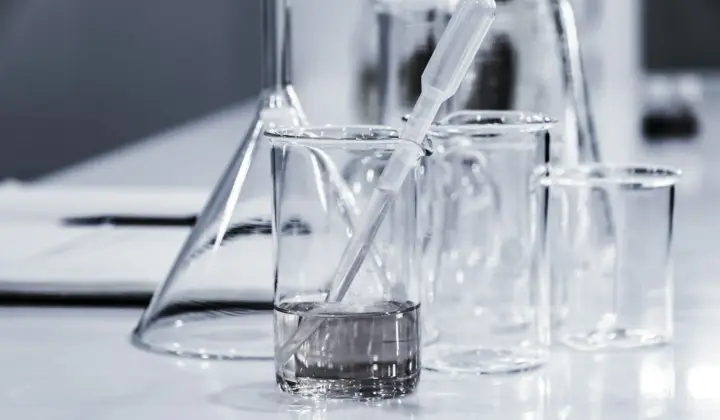
New Norwegian laboratory turns CO₂ into raw material
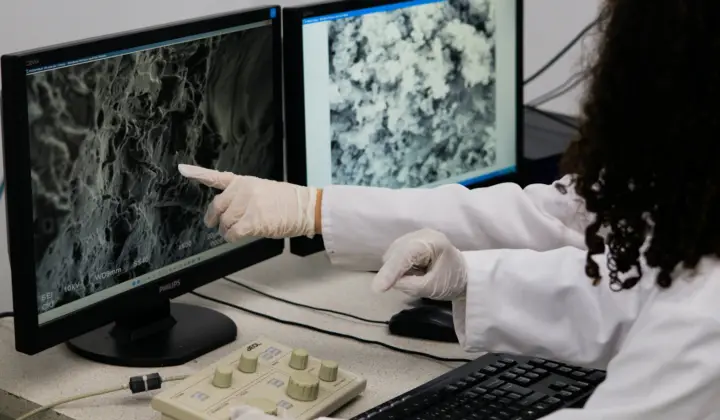
A new SINTEF pilot facility uses microorganisms to convert carbon dioxide into useful products.
A project led by Linköping University seeks to create strong, flexible materials using plant cells as building blocks.
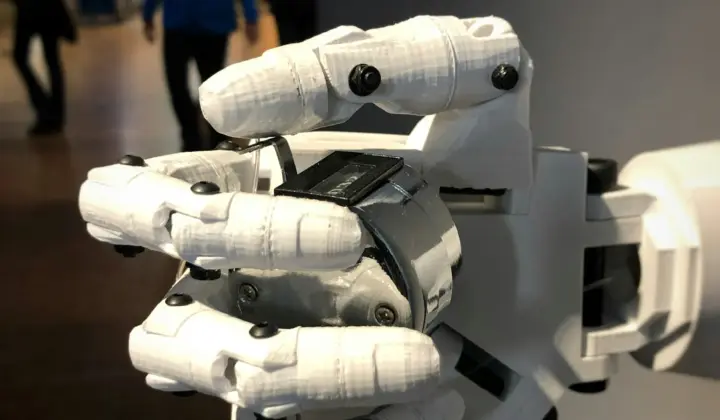
EPFL researchers have created a flexible motor just a few millimetres thick for lightweight, adaptable devices.
The publication of the first chromosome-level reference genome provides a new tool to protect the small population of Saimaa seals.
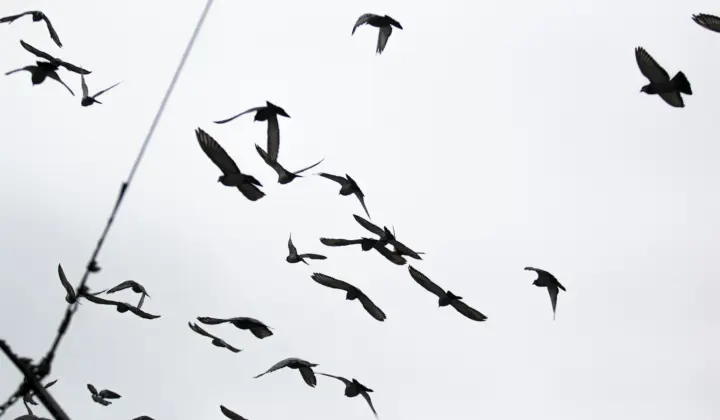
The SKARV project is developing a system that predicts bird flight to reduce the risk of collisions at wind farms.
Chalmers researchers converted grass and clover residues into cellulose fibres and produced a fabric sample.
Micro-organisms collected from alpine lakes reduced the infectivity of viruses in laboratory tests.
A conservation initiative sets an ambitious target and brings together new measures to protect the Saimaa ringed seal.
A new model helps anticipate the busiest days and hours at one of Norway's most visited natural attractions.
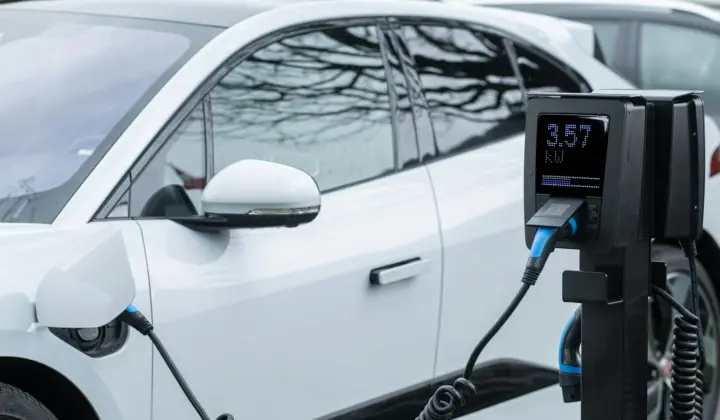
A reconfigurable system bypasses weakened cells and could delay the replacement of electric vehicle batteries.
Researchers have identified how a treatment can strengthen cellular defences and help antibiotics act against hidden bacteria.
VTT's AirLaid pilot facility is testing fibre materials with large cuts in water use and drying energy.
Positive news every day. No spam, no drama.
Visitantes ordenados do maior para o menor
A carregar...
All recordings are in the public domain · Wikimedia Commons / Musopen