Researchers from Stockholm University’s Centre for Palaeogenetics, together with colleagues from the University of California, Santa Cruz and the University of Vienna, have identified a previously unknown extinct bovine species. The discovery, published in the journal Current Biology, was based on ancient DNA extracted from unidentifiable bone fragments found in Denisova Cave and at other sites in southern Siberia.
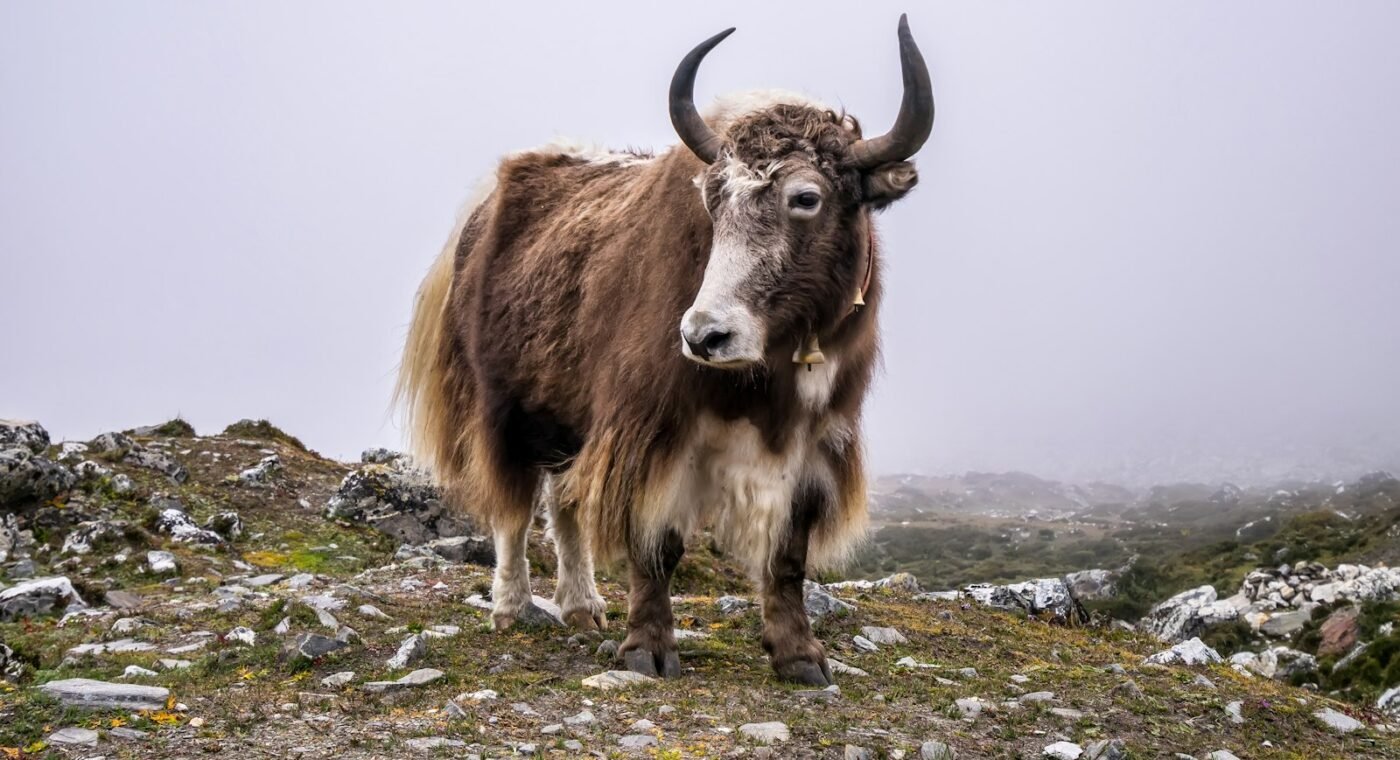
The team obtained 20 ancient genomes spanning about 200,000 years. The animal was related to modern yaks, from which it began to diverge about 400,000 years ago, becoming fully separated about 250,000 years ago, a timeline comparable to the split between brown bears and polar bears.
The data reveal a population replacement during the last interglacial period, around 120,000 years ago, accompanied by a loss of genetic diversity. The youngest specimen is about 27,000 years old, but the timing and causes of the extinction remain unclear, and there is almost no sign of interbreeding with other bovines in the region, such as steppe bison and aurochs.
Because genetic data alone are not enough to classify and formally name a new species, the researchers plan to compare their results with yak-like fossils previously described from the region. The work was funded by, among others, the European Research Council and the Russian Science Foundation.