German batteries store up to 15% more energy without adding weight
A new electrode architecture tested by Fraunhofer ISE makes better use of the inside of the cells.
German scientists have found that argyrin B fights the bacterium Clostridioides difficile in mice while sparing beneficial gut flora.
A team led by the Max Planck Institute for Radio Astronomy has identified fully deuterated methanol near a forming star, using the ALMA telescope.
Researchers at the German Cancer Research Center analysed data from almost 288,000 people and found a link to lower risk for 13 types of cancer.
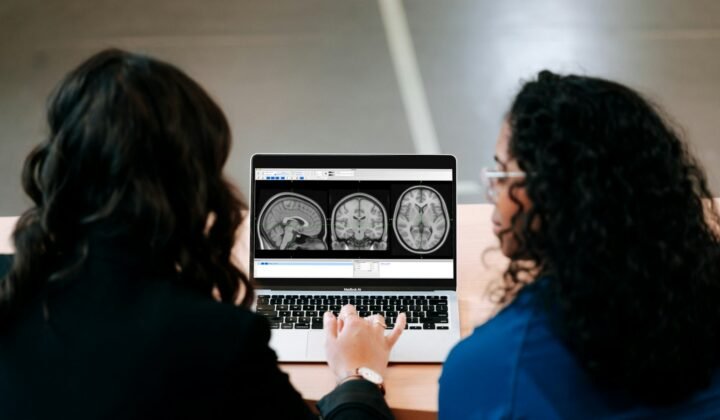
Fraunhofer IGD has developed software that measures bone density from routine CT scans, with no additional tests for the patient.
The building in Benediktbeuern, badly damaged by a storm in 2023, has been fully restored and gained a new exhibition with an artificial intelligence guide.
The SeaEly project, coordinated by Fraunhofer IWES, has built test rigs to study electrolysis with salt or brackish water, saving drinking water.
Peter Hegemann and Georg Nagel, former researchers at the Max Planck Society, have been awarded the 2026 Nobel Prize in Physiology or Medicine.
A study by the Max Planck Institute of Animal Behavior shows that Bornean orangutan mothers spend extra energy taking their young to play with others.
The initiative, launched in December 2025, has passed its initial target of 200 trainees. The 250th leader was trained in Cambodia.
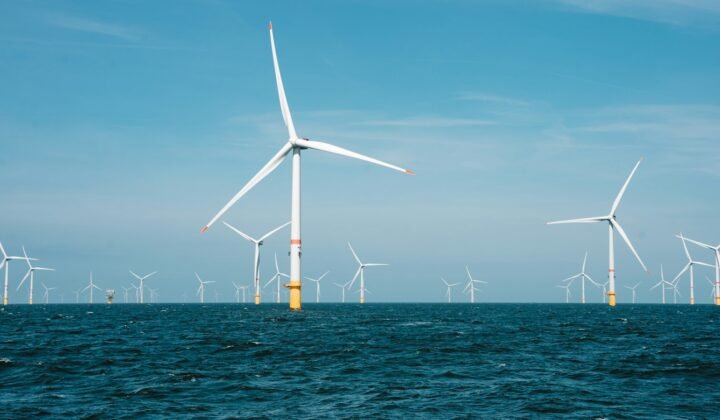
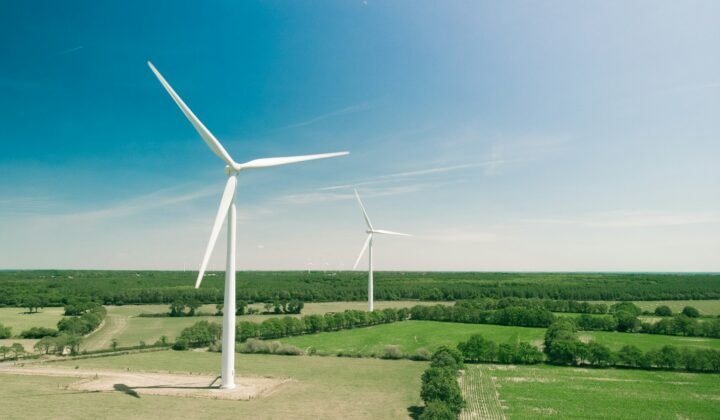
The roadmap foresees at least 80% renewable electricity by 2030 and an end to coal by 2038.
Positive news every day. No spam, no drama.
Visitantes ordenados do maior para o menor
A carregar...
All recordings are in the public domain · Wikimedia Commons / Musopen