Professor Giedrė Motuzaitė Matuzevičiūtė, head of the Bioarchaeology Research Centre at Vilnius University in Lithuania, studies ancient plant remains, chemical traces and isotopes to reconstruct the history of broomcorn millet (Panicum miliaceum). Her work was highlighted by the university and the European Research Council.
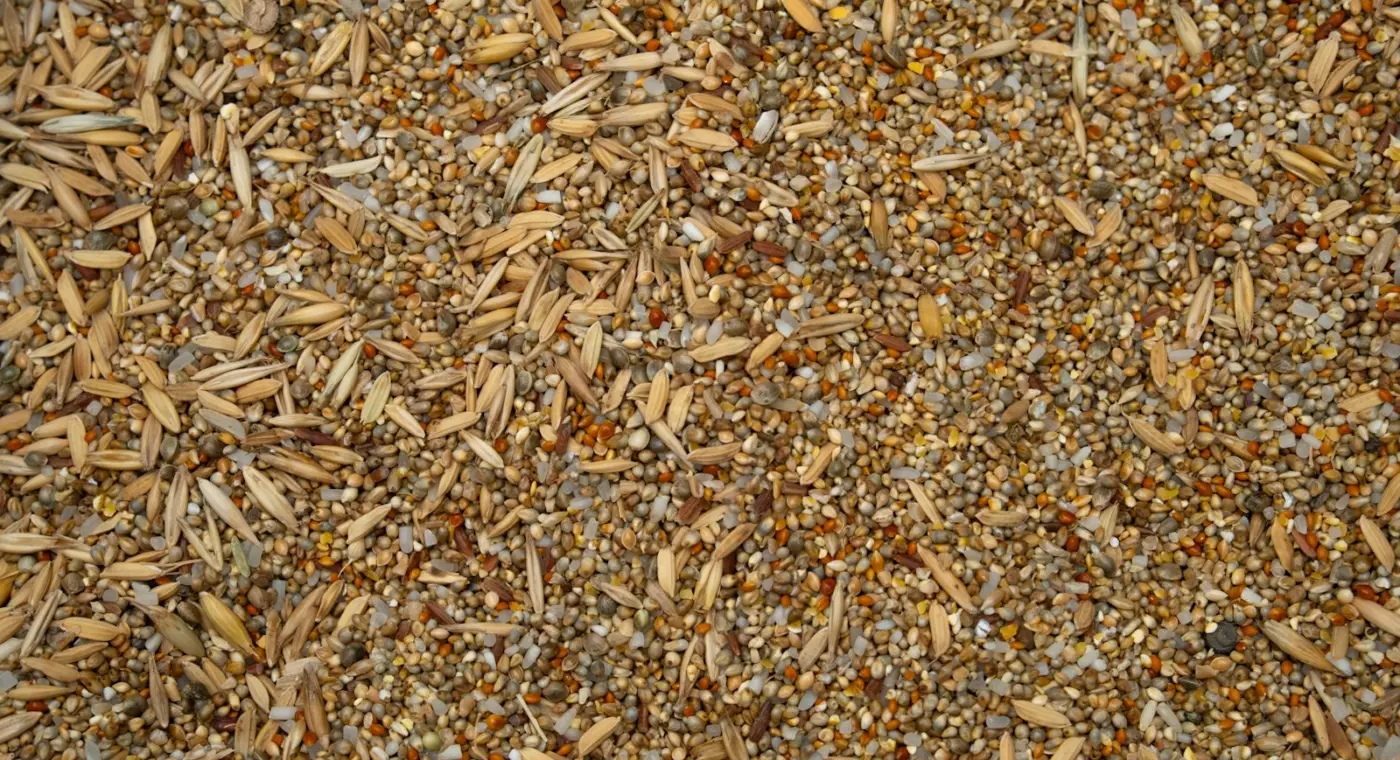
Broomcorn and foxtail millet were domesticated around 8,000 years ago in present-day northern China. A chemical marker called miliacin allows their past cultivation to be detected in lake sediments. In Europe the crop spread unevenly: some regions made it a staple, while others grew it mainly in hard times, until it lost ground to wheat, rye, barley and later maize.
Millets grow quickly, tolerate drought and resist climate stress, and broomcorn millet was grown as far north as 60 degrees latitude, suggesting potential for Nordic farming as temperatures rise. The researcher notes that about 75% of the crops used a century ago have been forgotten, and that reviving them also requires policy support and public interest.