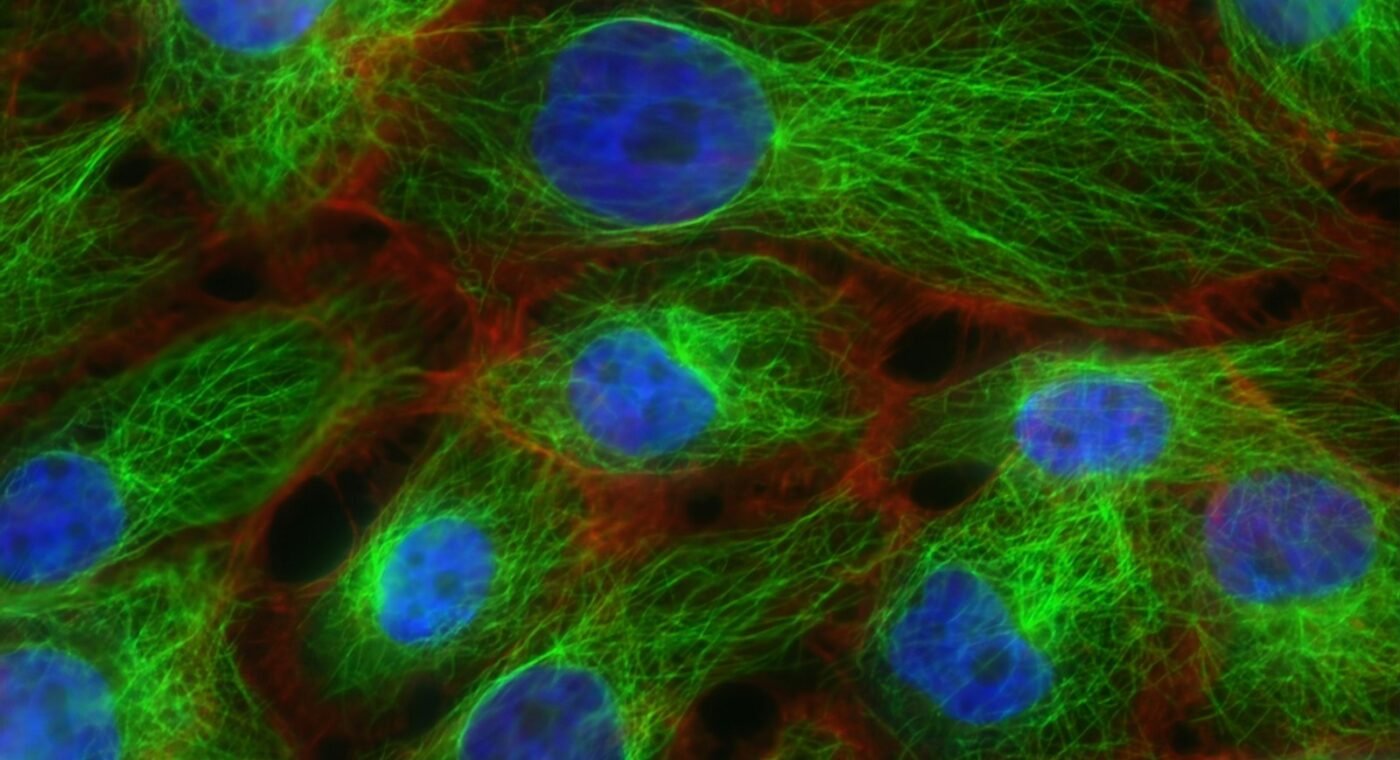
VIB researchers led by Renzo Mancuso (VIB-UAntwerp) and Bart De Strooper (VIB-KU Leuven) have used human pluripotent stem cells to create progenitors closely resembling those that, in the embryo, give rise to macrophages, the defence cells that live in tissues.
After transplantation into mice, these cells became brain microglia and macrophages with the identities of those in the liver, heart and kidneys. Cultures with more progenitors engrafted better than those with mature macrophages.
The study, published in Developmental Cell, gives scientists a new way to study how these cells develop and how each organ shapes them. In future it could support therapies to replace damaged macrophages, with possible relevance to Alzheimer’s disease and frontotemporal dementia.