Luxembourg · Wednesday, 21 October 2026 Only good news · Every day

VIB human stem-cell model reveals a shared origin for the macrophages in our organs

Lab-made cells became macrophages of the brain, liver, heart and kidneys, which could one day help against diseases such as Alzheimer's.

VIB human stem-cell model reveals a shared origin for the macrophages in our organs
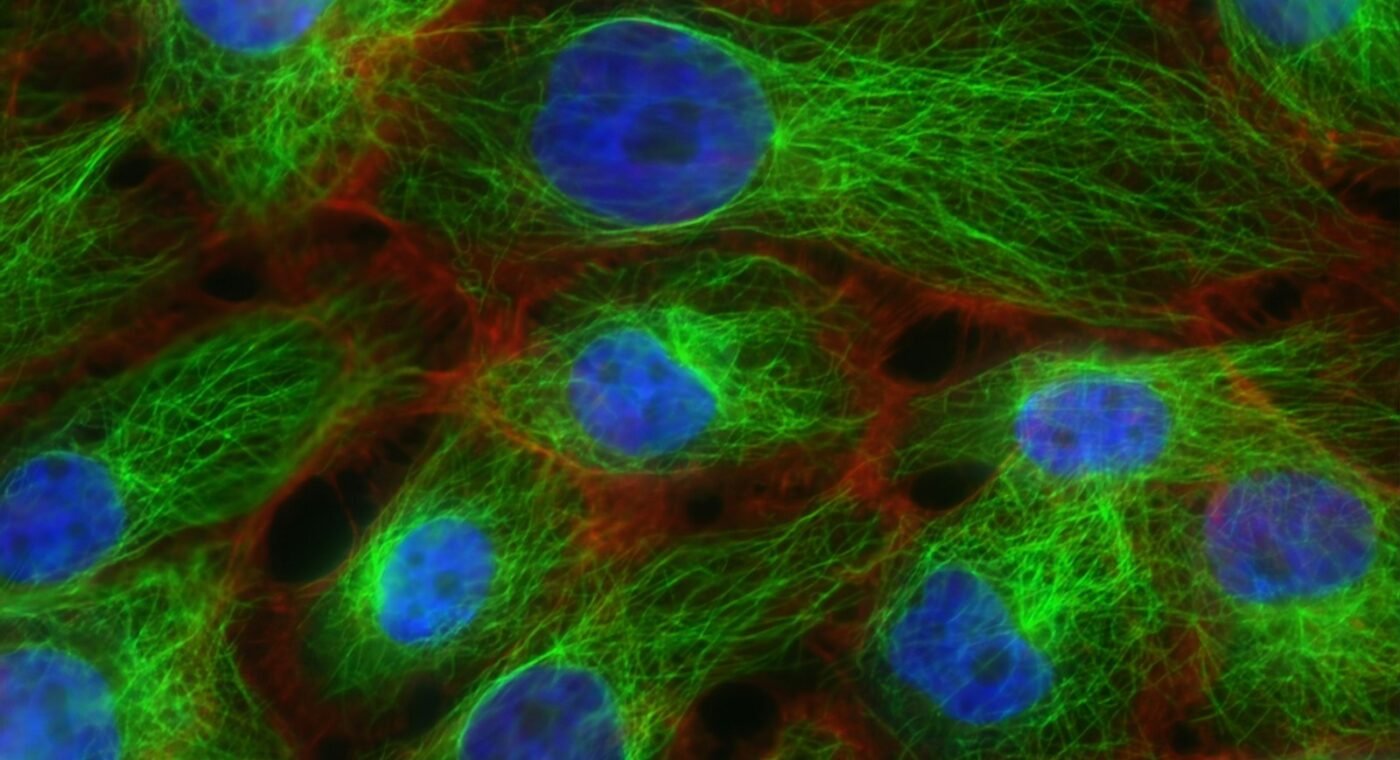
Illustrative image · Photo: National Cancer Institute / Unsplash

VIB researchers led by Renzo Mancuso (VIB-UAntwerp) and Bart De Strooper (VIB-KU Leuven) have used human pluripotent stem cells to create progenitors closely resembling those that, in the embryo, give rise to macrophages, the defence cells that live in tissues.

After transplantation into mice, these cells became brain microglia and macrophages with the identities of those in the liver, heart and kidneys. Cultures with more progenitors engrafted better than those with mature macrophages.

The study, published in Developmental Cell, gives scientists a new way to study how these cells develop and how each organ shapes them. In future it could support therapies to replace damaged macrophages, with possible relevance to Alzheimer’s disease and frontotemporal dementia.

Original sourceVIB — read the full story

This story was written with the help of artificial intelligence, based on the original source shown above. If you spot a mistake, please let us know. How we work

Leave a positive comment

Your email address will not be published. Required fields are marked *

One good story a day, in your inbox

Every morning at 8, a story to make you smile. No spam, no drama.

Serene harp