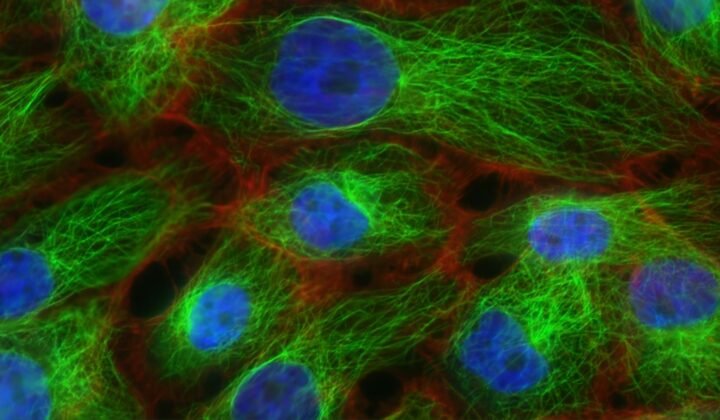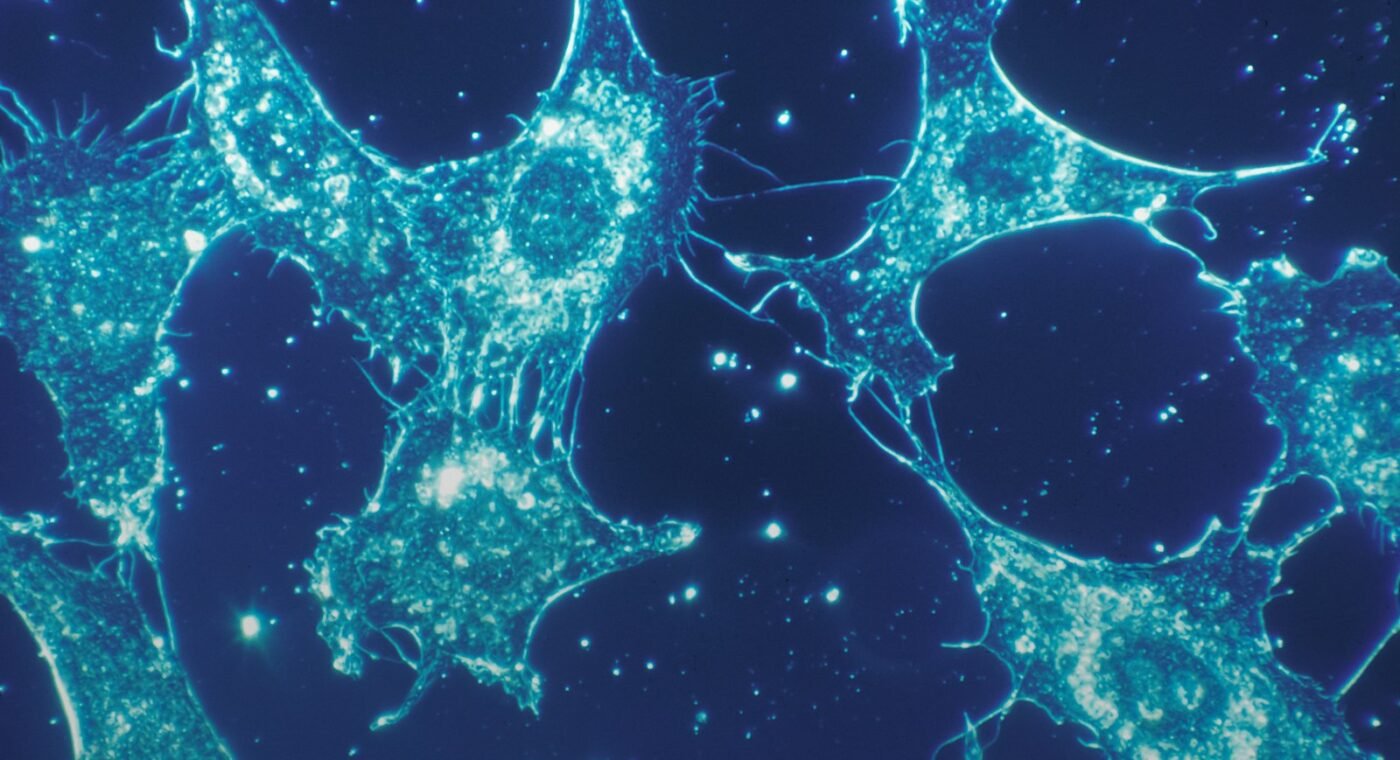
A team at i3S, University of Porto, has found that glycans, sugars on the surface of cells, act as a control system for gamma-delta T cells, immune cells that protect the body’s tissues. When they lose branched glycans, these cells take on a highly inflammatory profile linked to autoimmune diseases.
The effect was observed in experimental models and confirmed in samples from patients with Crohn’s disease, psoriasis and lupus, among others. The team also showed that modulating this sugar layer can reverse the cells’ inflammatory behaviour.
The study, coordinated by Salomé Pinho with Beatriz Santos-Pereira as first author, was published in Science Immunology with hospitals in Porto and Lisbon taking part. The authors see glycans as a new biological control point that could open the way to more targeted therapies.