Unicamp creates a “green” method to extract caffeine from guaraná shells, usually thrown away
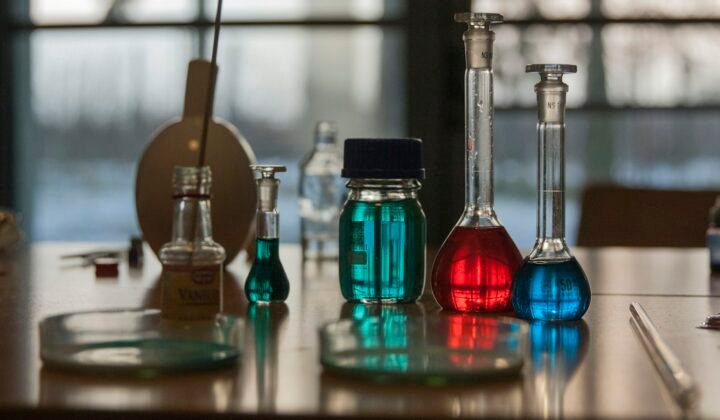
The process uses a solvent made from renewable ingredients such as glucose and citric acid, instead of toxic solvents like methanol.
By reducing the IP6K protein, scientists from USP, Unesp and UFU stopped Trypanosoma cruzi from becoming infective in heart cells in the lab.
Twenty-four people, including fishermen and forest staff, were honoured for rescuing a calf swept away by the Teesta River and returning it to its mother.
The Indian Institute of Science professor has been honoured for his work in number theory, linked to one of Hilbert's famous problems.
Ponds and marshes in eastern Uttar Pradesh, vital for villages and for the world's tallest flying bird, now have legal protection.
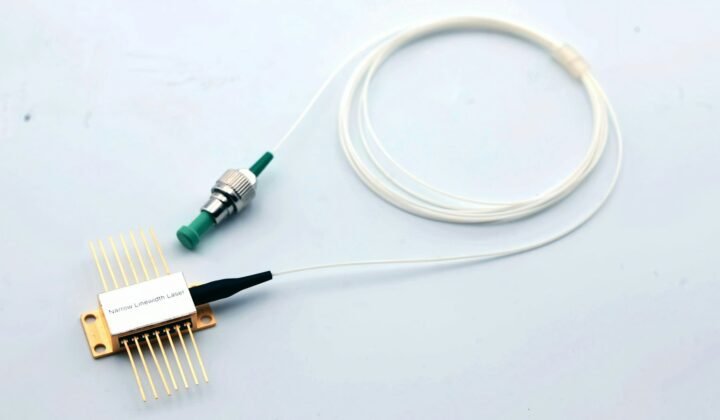
KAIST researchers have developed an electronic component that uses physical changes in the semiconductor itself to control when information can be revealed.
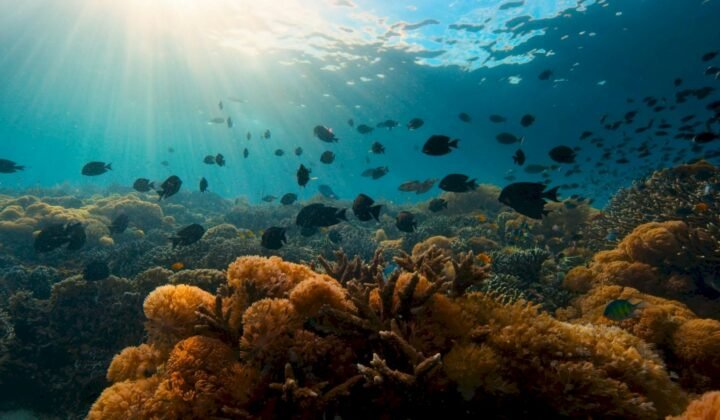
Two Scripps-led studies in Hawaii show that playing the sounds of a living reef underwater attracts coral and fish larvae.
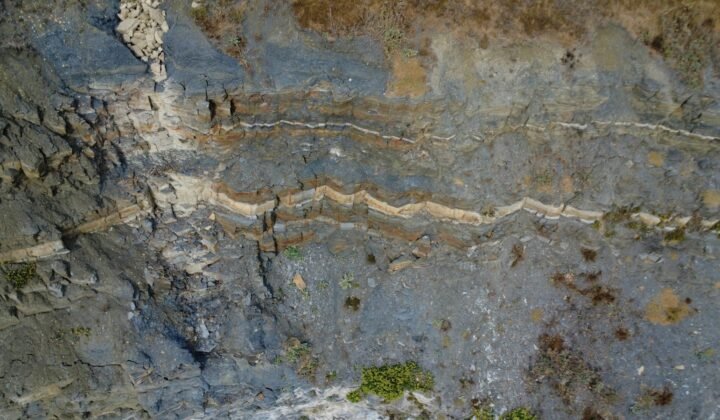
Ancient rocks from South Africa reveal a natural cycle that helped oxygen build up in the atmosphere after the Great Oxidation Event.
The Abu Dhabi institution has moved up one place in the QS Arab Region ranking and is, for the ninth year running, the UAE's highest-ranked university.
Khalifa University and UNESCO have brought together 238 university teams in a global competition to tackle water challenges.
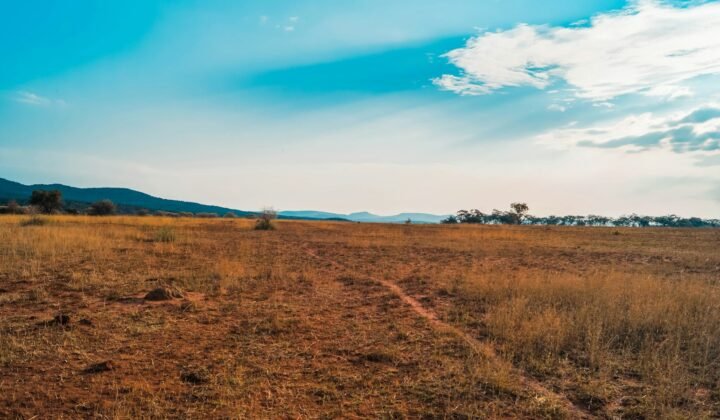
Grasslands National Park covers around 10,226 hectares and was created mainly through conservation agreements with landowners.
A system developed at the University of the Witwatersrand recognised 81 light patterns after being trained on just 15 examples.
Positive news every day. No spam, no drama.
Visitantes ordenados do maior para o menor
A carregar...
All recordings are in the public domain · Wikimedia Commons / Musopen