Max Planck and Columbia University create joint centre to speed up fusion energy
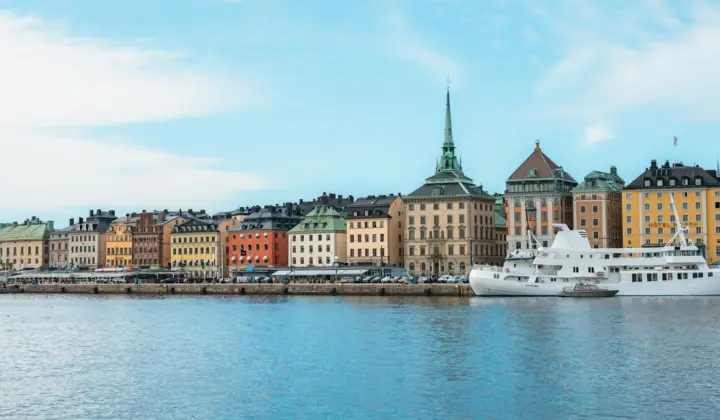
The new transatlantic centre will have US$13.3 million over five years and give researchers access to two major German fusion machines.
DO-LAB, from KTH Royal Institute of Technology, has received SEK 50 million to speed up a fair climate transition.
The Langlands Lab will research one of modern mathematics' great programmes and check new results with the Lean proof software.
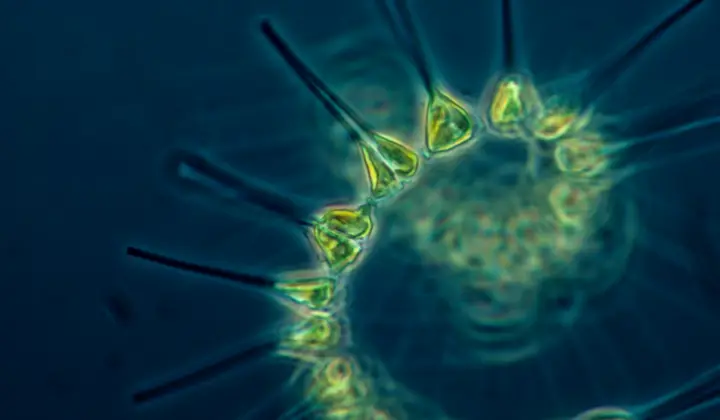
ETH Zurich researchers created an 'archive' inside the cell that stores its RNA for days and could help explain how cancer cells arise.
Kyoto University researchers measured oxytocin in 29 cats and their owners over a month and found a link with mood.
The University of British Columbia has installed a portable hydroponic farm with LED lights that also serves as a laboratory for urban agriculture.
CitiLink, from INESC TEC, the University of Porto and the University of Beira Interior, won the 2026 Cities and Territories of the Future Award.
In 2026, sports excellence scholarships rose from 40 to 80 students, covering between 25% and 100% of tuition.
The international register coordinated by Imperial College London tracks 70 projects in 17 countries and shows the annual figure has doubled since 2016.
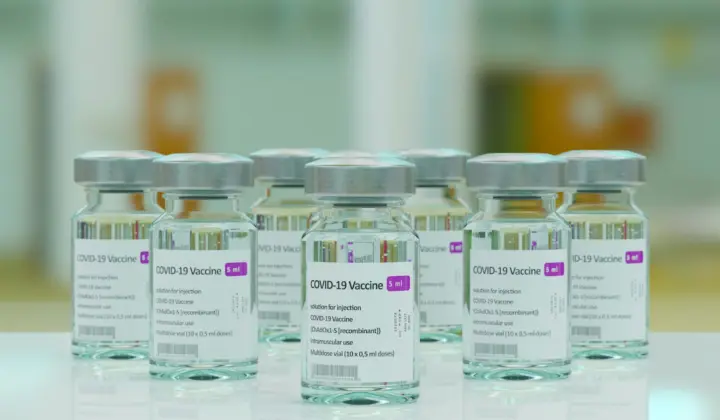
A team from CONICET and the University of Buenos Aires designed more than ten antigens that have already triggered an immune response in laboratory tests.
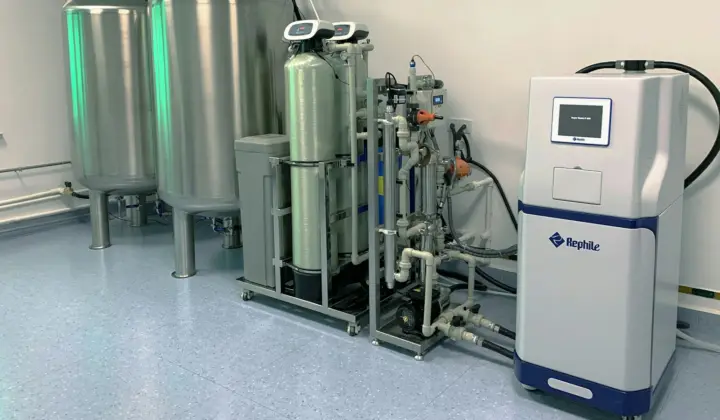
The National Centre for Engineering Biology at the National University of Singapore aims to make specialty chemicals sustainably using microorganisms.
The MAMMA system from the Max Planck Institute for Intelligent Systems captures several people's movements with accuracy close to professional studios.
Positive news every day. No spam, no drama.
Visitantes ordenados do maior para o menor
A carregar...
All recordings are in the public domain · Wikimedia Commons / Musopen