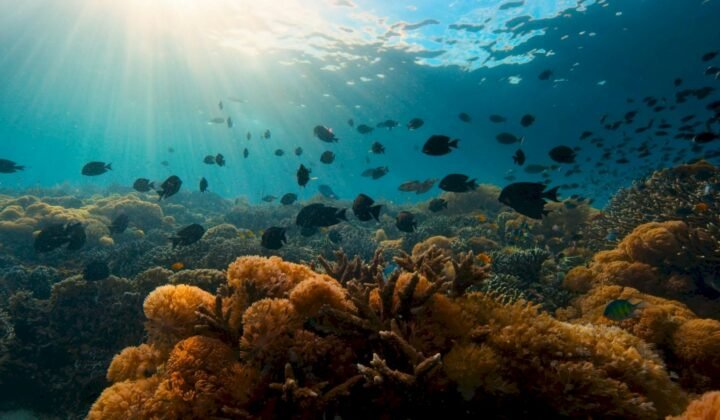
Sounds of healthy reefs help corals and fish settle on artificial reefs
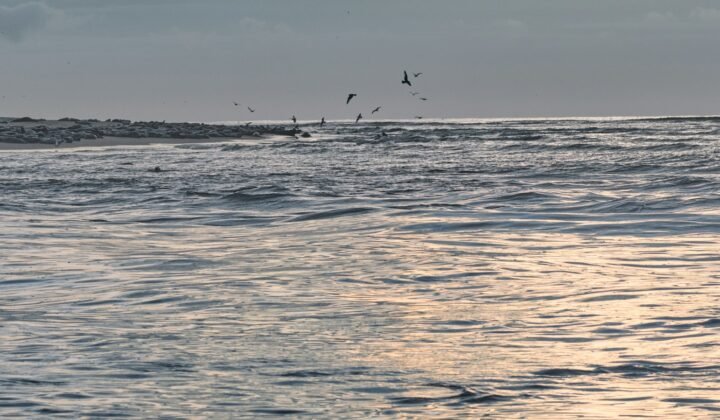
Two Scripps-led studies in Hawaii show that playing the sounds of a living reef underwater attracts coral and fish larvae.
Plants, bacteria and how living things interact with their environment.
Two Scripps-led studies in Hawaii show that playing the sounds of a living reef underwater attracts coral and fish larvae.
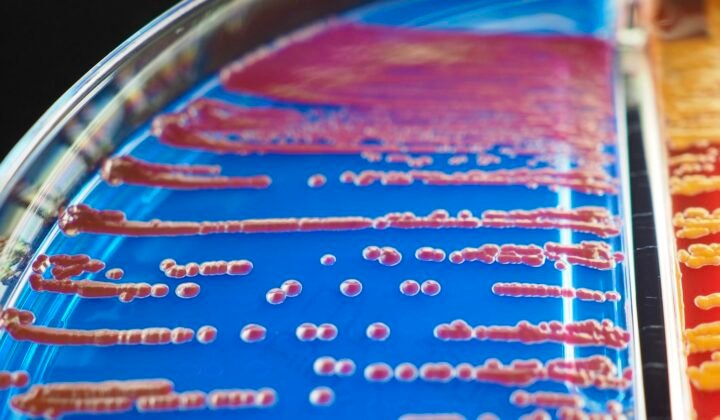
A study from St Petersburg State University shows that the exchange of DNA segments explains the evolution of Cry toxins, the basis of more than half of plant-protection products.
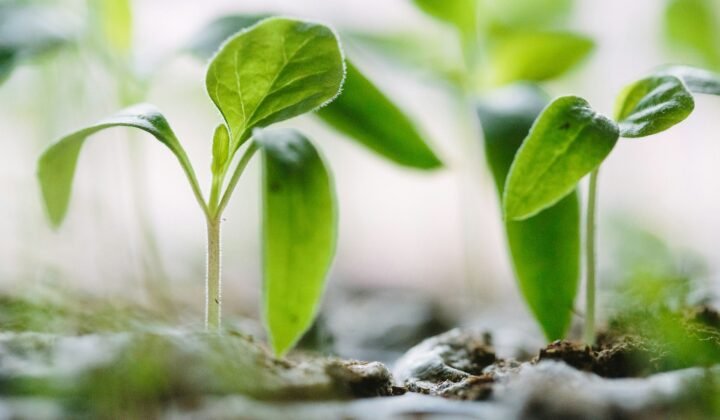
Lund University researchers have identified the chain of molecular signals that links touch, wind or injury to changes in plant genes and growth.
EPFL scientists have found that some microbes sense contact and change direction to explore their environment better.
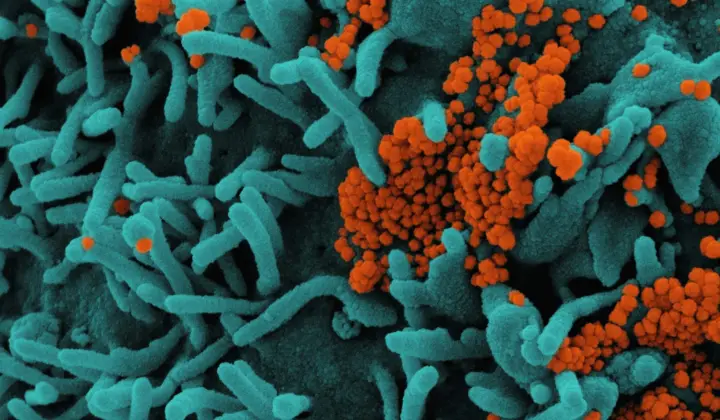
Micro-organisms collected from alpine lakes reduced the infectivity of viruses in laboratory tests.
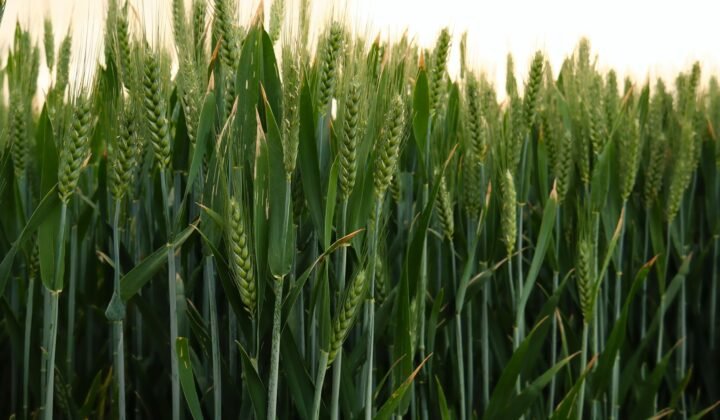
Russian chemists have developed a chitosan and glyoxal treatment that, in the laboratory, raised wheat productivity more than 1.5-fold and lowered the risk of disease.
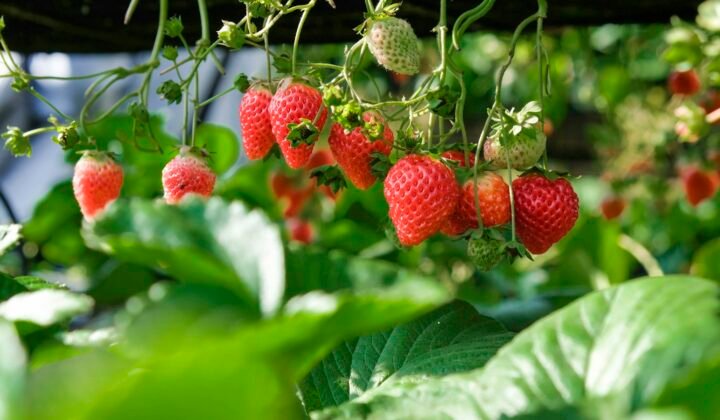
A fabric invented in the United States protects strawberry plants from insects and increased harvests by up to 3.56 times.
A two-year trial in Cornwall showed that a kite shaped like a bird of prey cut accidental catches by 71%.
Positive news every day. No spam, no drama.
Visitantes ordenados do maior para o menor
A carregar...
All recordings are in the public domain · Wikimedia Commons / Musopen