A team of biologists including scientists from the University of the Philippines and Chicago’s Field Museum has found something on Mindoro that challenges a long-held idea: that an island needs to be at least around 100,000 square kilometres, roughly the size of Luzon, to give rise to new mammal species. Mindoro is just under 10,000.
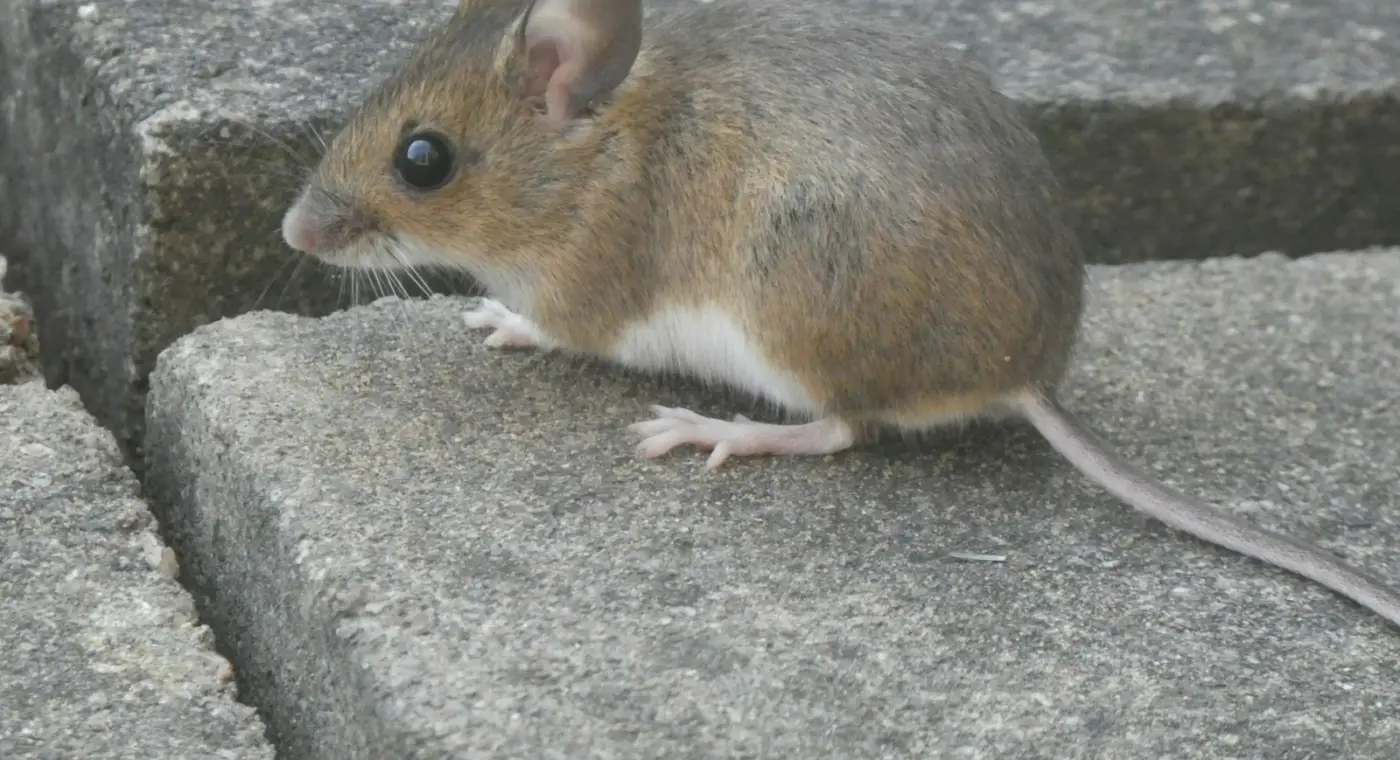
During expeditions from 2013 to 2017, the researchers found three forest mice of the genus Apomys unknown to science. Together with the only species previously known on the island, they form a group of four species descended from an ancestor that reached Mindoro millions of years ago.
Then it happened again: rats of the genus Crunomys caught on two separate mountains, Halcon and Masulong, showed consistent differences, leading to the identification of new species such as Crunomys halcon. The work began with the late biologist Danilo Balete and shows that old, isolated, mountainous islands can generate their own biodiversity.