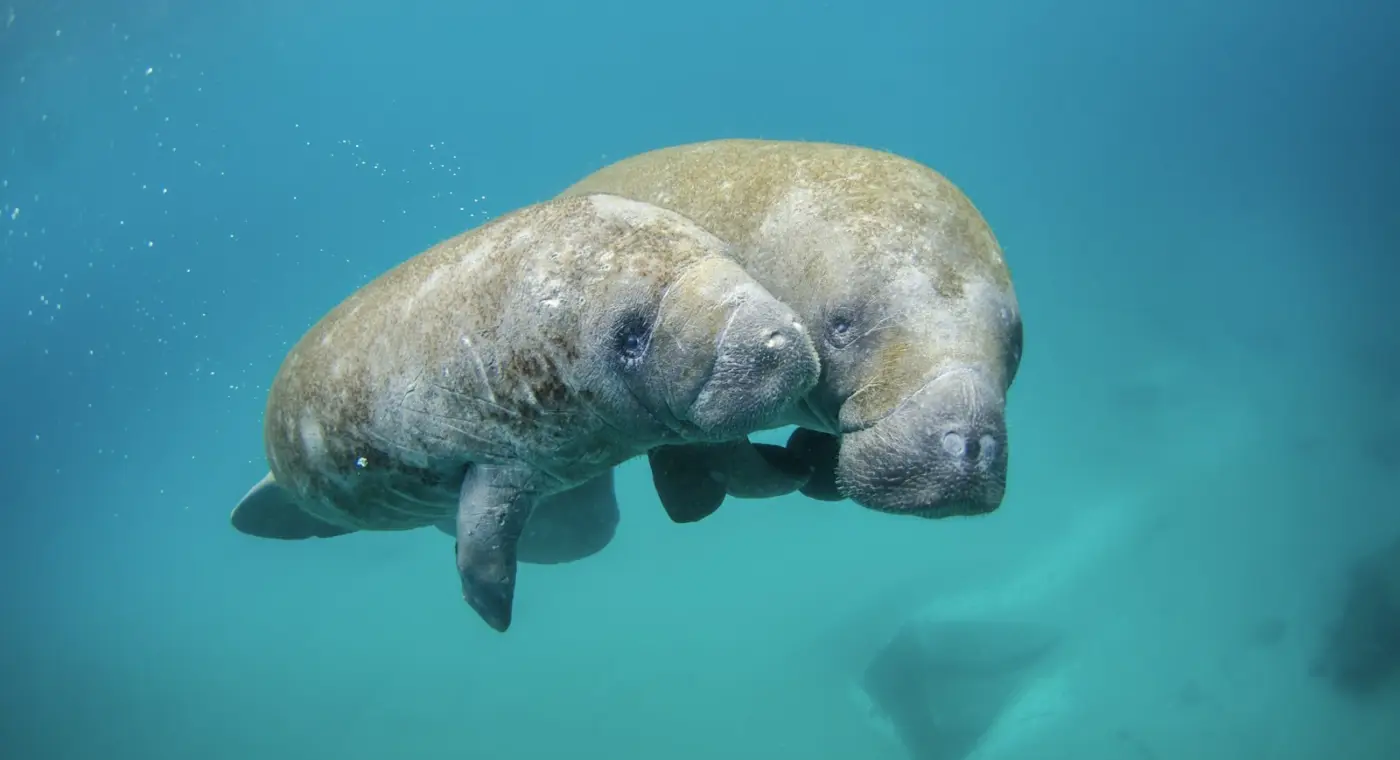
Researchers at the Brazilian Biorenewables National Laboratory (LNBr), part of the Brazilian Center for Research in Energy and Materials (CNPEM) in Campinas, led by Mario Murakami, analysed the gut microbes of 47 manatees — 36 Amazonian and 11 marine. The study appeared in Nature Microbiology on 2 November and was reported by Agência FAPESP.
The team reconstructed more than 6,000 microbial genomes, over half of them from previously unknown species. Among them is a new bacterium, named ‘Candidatus Epilactovorans intestinalis’, which can digest epilactose, a sugar found in these animals’ diet. The scientists also identified a new enzyme involved in the process.
The findings help explain how manatees make use of the plants they eat and could support their conservation. The enzyme may also have industrial uses, for example in processing biomass, but that requires further research.