The University of El Salvador (UES) is leading a regional project to develop and characterise functional fermented foods made from crops and species of Central American biodiversity. The initiative is funded by the Central American Higher University Council (CSUCA) and Canada’s International Development Research Centre (IDRC), and brings together El Salvador, Honduras and Guatemala for 19 months.
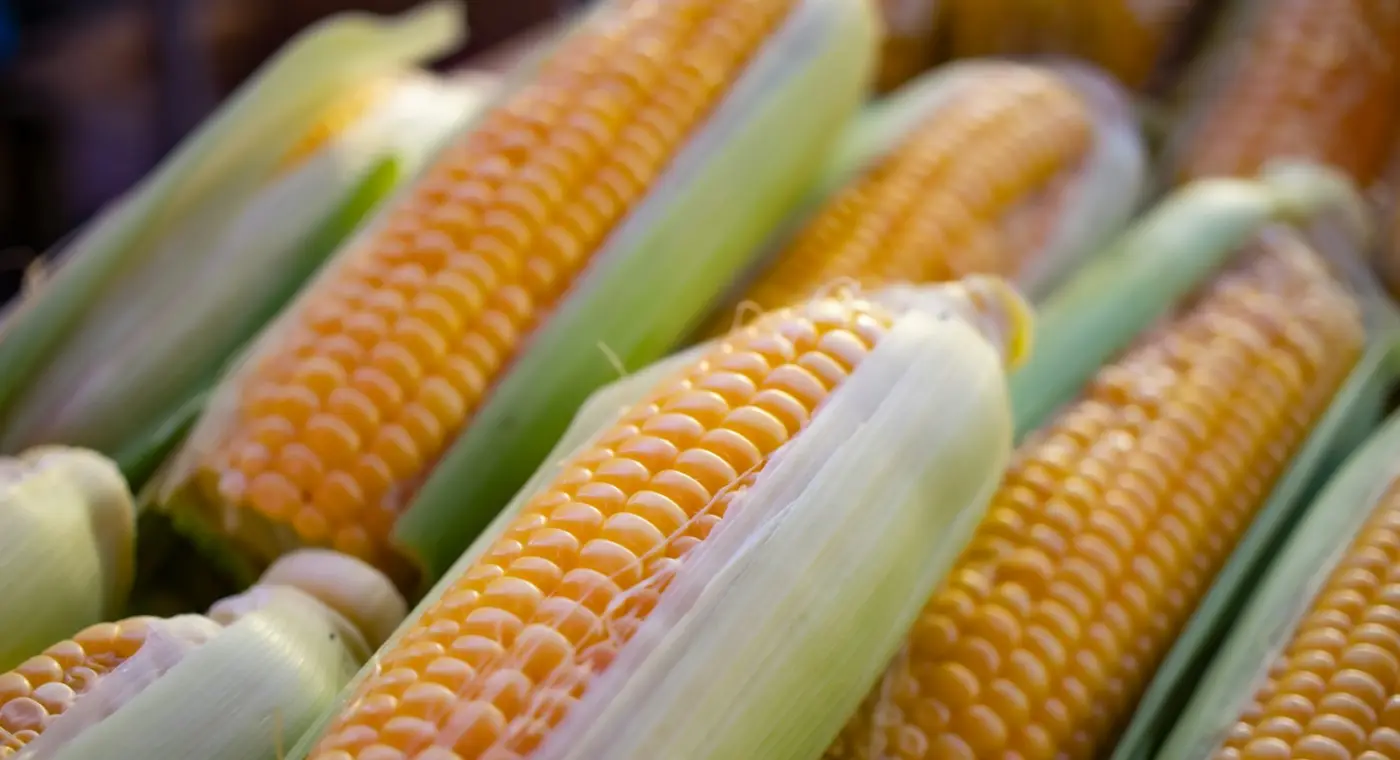
The starting point is a survey of traditional fermentation practices at risk of disappearing, such as maize chicha, atol shuco made from black maize and pineapple vinegar. These processes, developed over centuries in the kitchens of western El Salvador, preserve food and improve its flavour and properties.
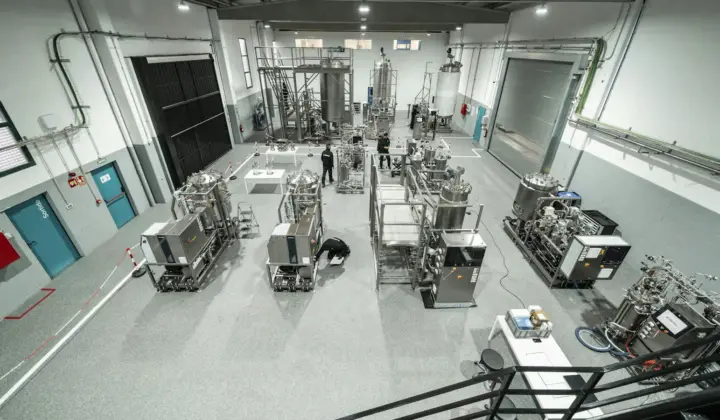
The work is carried out in the Natural Products Research and Microbiology laboratories of the UES Faculty of Chemistry and Pharmacy. According to the university, the aim is not to replace tradition but to study it with modern scientific tools and bring this knowledge closer to the public, in line with the Sustainable Development Goals.