Researchers at the University of São Paulo’s CCARBON centre, led by Maurício Roberto Cherubin (Esalq-USP), studied 13 commercial farms in Rio Grande do Sul over three harvests between 2022 and 2025 — a period of severe droughts and floods. The paper was published on 22 October in Agriculture, Ecosystems & Environment and reported by Agência FAPESP on 3 November.
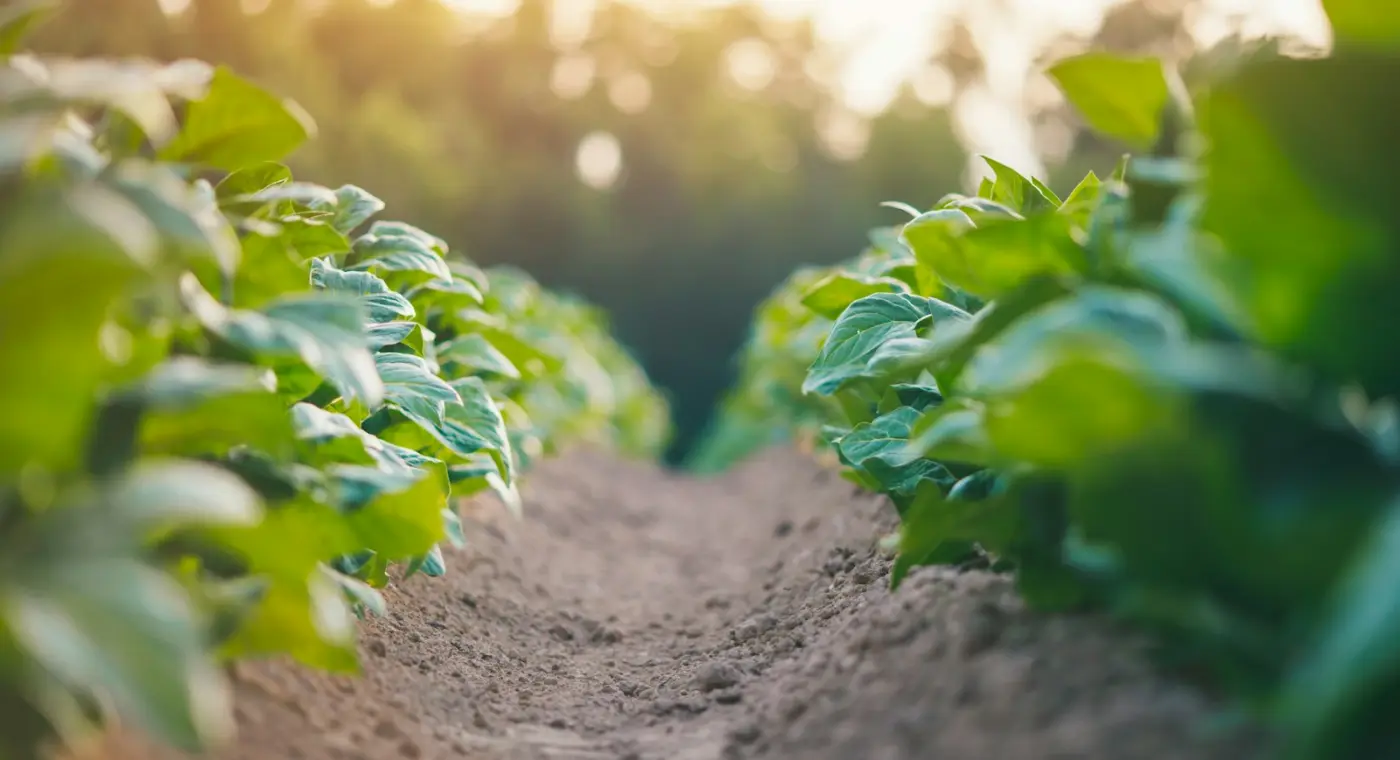
The team collected 78 topsoil samples and cross-checked the results with NASA satellite rainfall data. Farms combining crop diversification with cover crops produced up to 76% more than the state average, while simpler systems were on average only 8% above it, with year-to-year swings of 33% to 39%.
Diversification also increased the soil’s capacity to store water, regardless of clay content. For the authors, cover crops act as a natural buffer against climate extremes — a useful lesson for other farming regions.