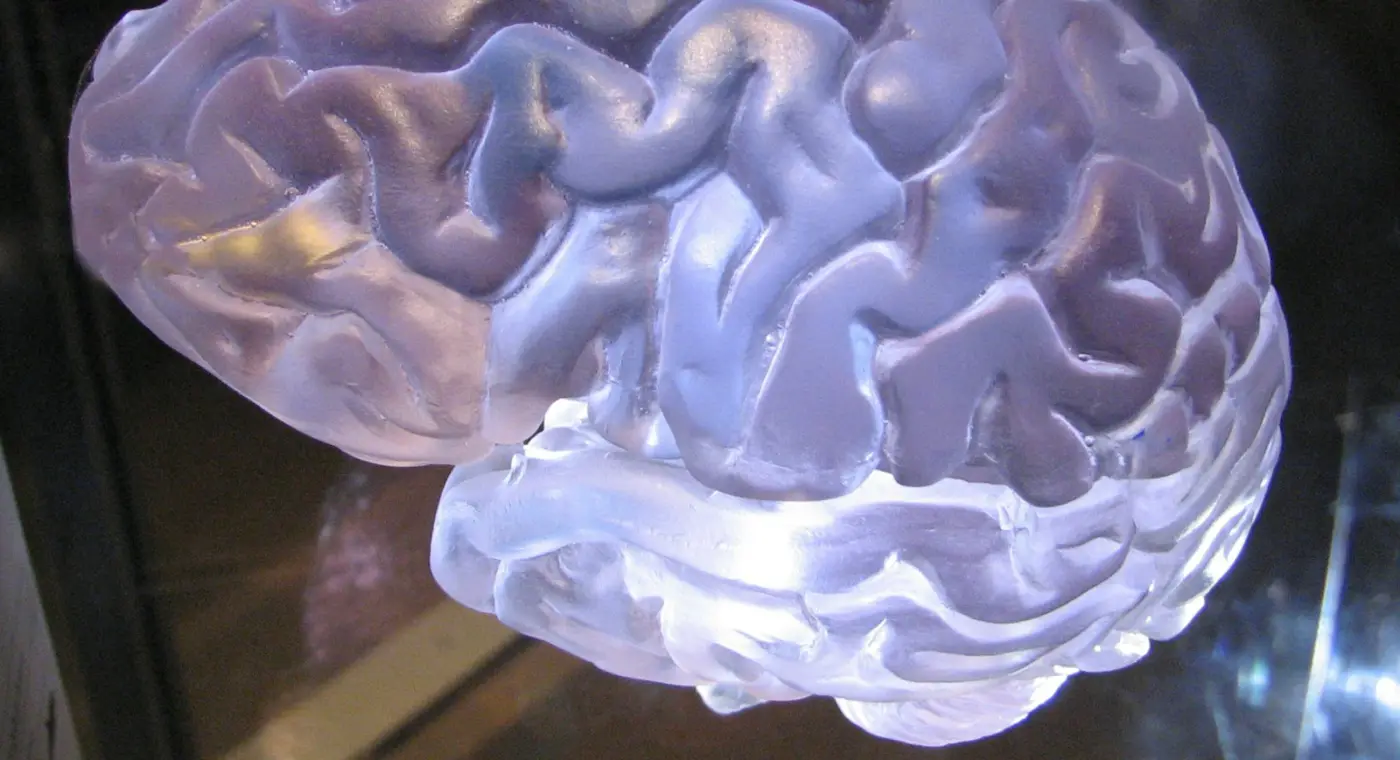
Mutations in the PTEN gene are linked to megalencephaly, an abnormally large brain, and to higher risks of tumours, autism, intellectual disability and epilepsy. A team from Simon Hippenmeyer’s group at the Institute of Science and Technology Austria (ISTA), with Sorbonne Université, Yale and Vetmeduni Vienna, has investigated how this happens.
Using a lineage-tracing technique called MADM, the scientists deleted Pten in a small fraction of stem cells in the mouse cortex and followed the cells and their descendants through development. Each cell lacking Pten produced about 25% more neurons than normal, as well as many more astrocytes, the brain’s support cells, all of them enlarged.
It is the first evidence that the same cells that overproduce neurons also make extra astrocytes, which may explain PTEN-associated megalencephaly. The study, published in Science Advances, also points to the MAPK pathway as a possible target for certain treatment-resistant brain tumours, though the authors stress this remains a future possibility.