Researchers at the University of Edinburgh in Scotland, with the Max Planck Institute for Polymer Research, have studied how water drops remove dust from slippery surfaces. The team includes Halim Kusumaatmaja, Abhinav Naga and Doris Vollmer, and the work was published in Science Advances with EPSRC funding.
Combining lab experiments with simulations on the ARCHER2 and CIRRUS supercomputers, they identified six drop–particle interaction modes and a way to predict when dust is removed. The key finding: reducing particle friction with the surface matters more than increasing water repellency.
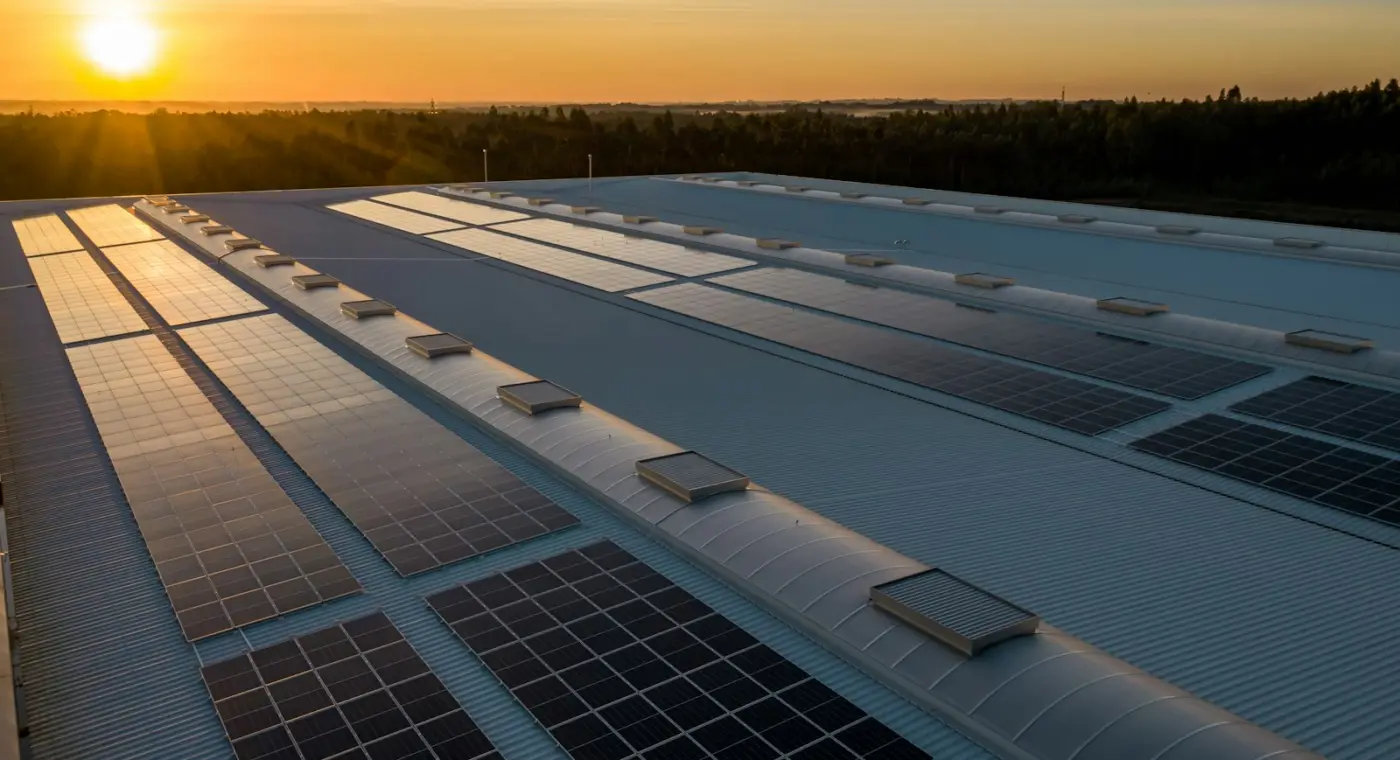
Dust on solar panels costs more than £2 billion a year in lost energy, and the results could help design self-cleaning surfaces for panels, windows and heritage buildings. There is no product yet: the study looked at individual particles.