An international team led by the Andalusian Institute of Earth Sciences (IACT-CSIC) in Spain, with France’s CNRS and the University of Chile, has described the full cycle between the destruction of tectonic plates at subduction zones and the formation of new ocean crust. The lead author is Stephan König, and the study was published in Science Advances.
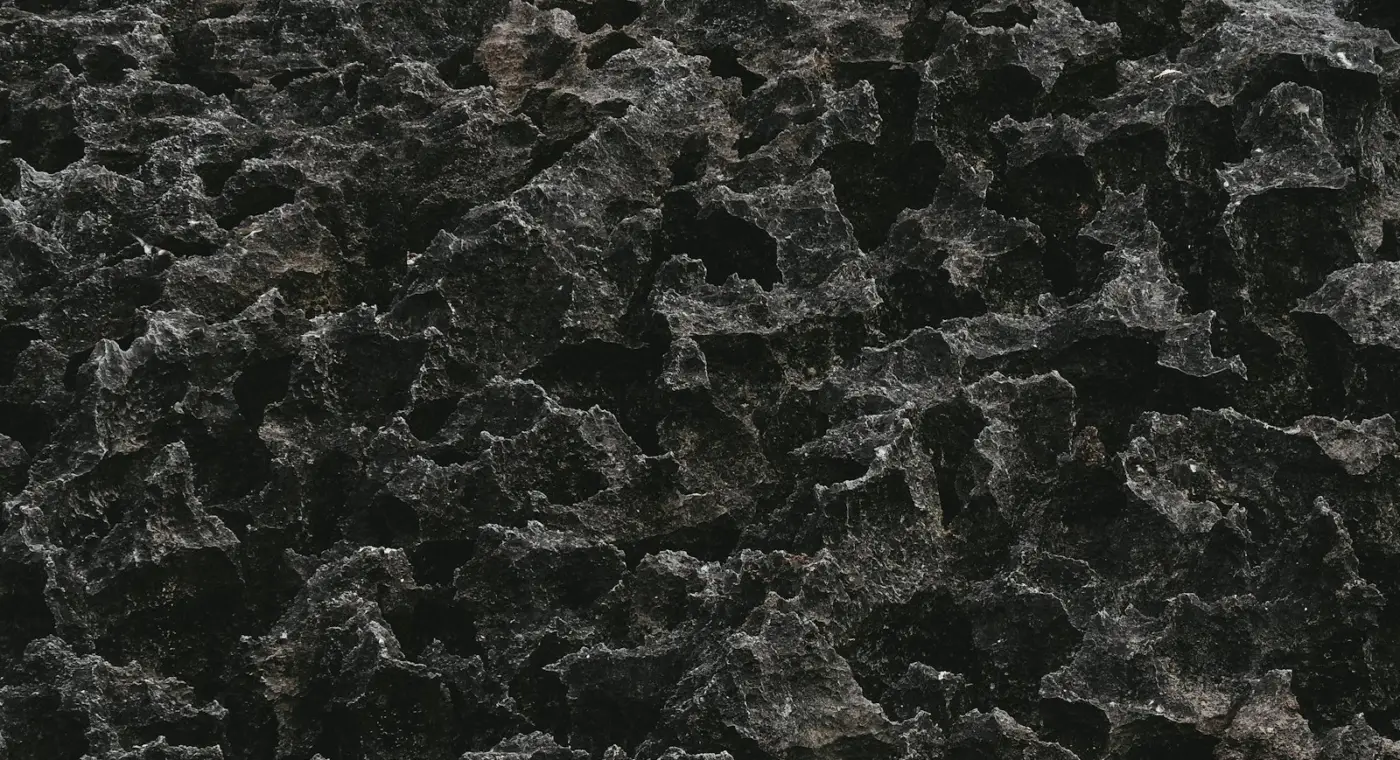
When an ocean plate sinks, its crust reacts with the mantle to form rocks called pyroxenites, which eventually rise and melt beneath mid-ocean ridges, where new crust is born. To show this, the team used selenium isotopes — which keep their chemical “signature” when rock melts — in pyroxenites from the Ronda (Málaga) and Beni Bousera (Morocco) massifs, combined with numerical modelling.
According to the calculations, less than 10% of the melt beneath ridges needs to come from recycled crust to leave the observed selenium imprint. The samples are mantle fragments brought to the surface, not material collected directly from the depths, and the estimate comes from a numerical model.