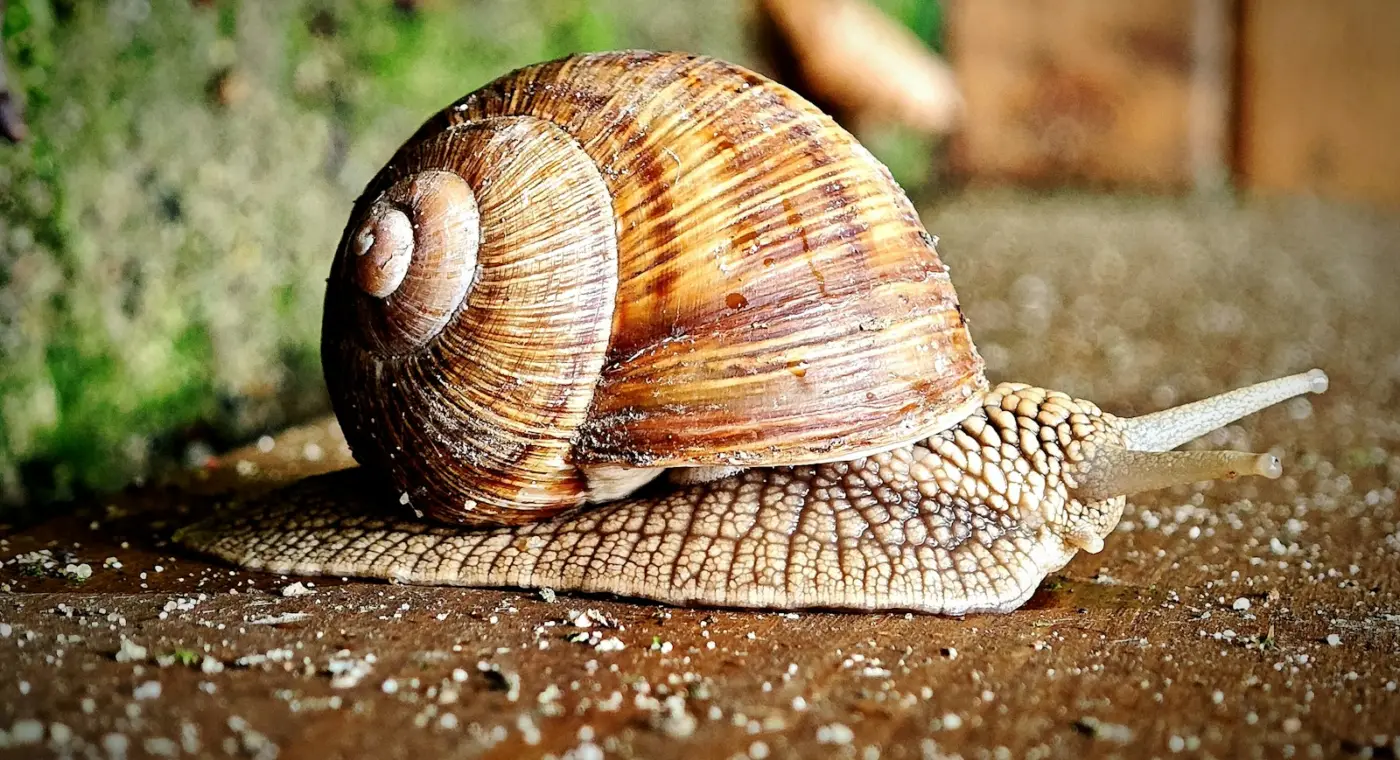
A team led by Taro Yoshimura, a researcher at The University Museum, The University of Tokyo, analysed fossil freshwater snails of the family Viviparidae collected at a dinosaur excavation site in the Kitadani Formation in Katsuyama, Fukui Prefecture, dating back about 120 million years. The study was published in Communications Biology and announced by the university on 10 November.
The researchers found numerous embryos preserved intact inside the females’ shells — the first direct evidence in the Mesozoic fossil record of internal brooding (ovoviviparity), as seen in today’s viviparid snails. Using X-ray micro-CT, they identified different growth stages in the brood pouch and differences between the sexes: females grew larger and had more inflated shells. Gut contents revealed a flexible diet of algae, suspended particles and detritus.
The exceptional preservation is explained by frequent wildfires at the time: alkaline ash washing into rivers and lakes neutralised the water’s acidity and stopped the fragile shells from dissolving. The finding shows that these animals’ sophisticated breeding strategies already existed in the age of the dinosaurs.