Luxembourg · Friday, 23 October 2026 Only good news · Every day

Researchers find the “switch” that decides whether a stressed cell survives or dies

Ben-Gurion University scientists identified a mechanism cancer cells use to resist chemotherapy and which also operates in the heart.

Researchers find the “switch” that decides whether a stressed cell survives or dies
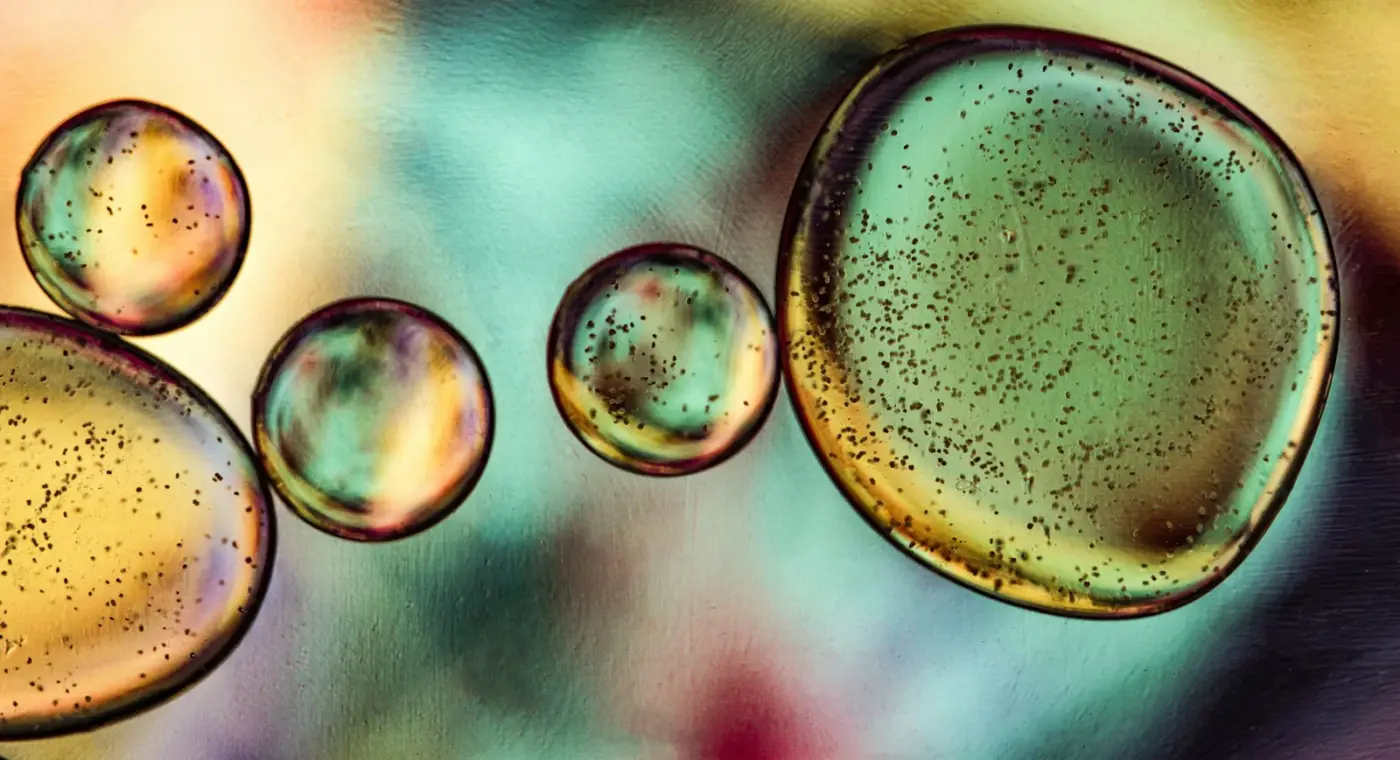
Illustrative image · Photo: Susan Wilkinson / Unsplash

A team at Ben-Gurion University of the Negev led by Aeid Igbaria has found a molecular switch that decides whether stressed human cells turn on a survival pathway or undergo programmed cell death. The study was published in Redox Biology and announced on 24 September.

Under mild stress, two proteins, DNAJB12 and DNAJB14, stay bound together and help the cell dispose of proteins that trigger cell death. Under severe stress, rising glutathione breaks those bonds, the two proteins are degraded and the cell commits to programmed death.

Cancer cells often exploit this survival pathway to resist chemotherapy, so disrupting it could make them more vulnerable. The team saw the same cascade in heart models after oxygen deprivation, suggesting possible strategies to protect heart muscle after ischaemic injury.
Original sourceUniversidade Ben-Gurion do Negev — read the full story

This story was written with the help of artificial intelligence, based on the original source shown above. If you spot a mistake, please let us know. How we work

Leave a positive comment

Your email address will not be published. Required fields are marked *

One good story a day, in your inbox

Every morning at 8, a story to make you smile. No spam, no drama.

Serene harp