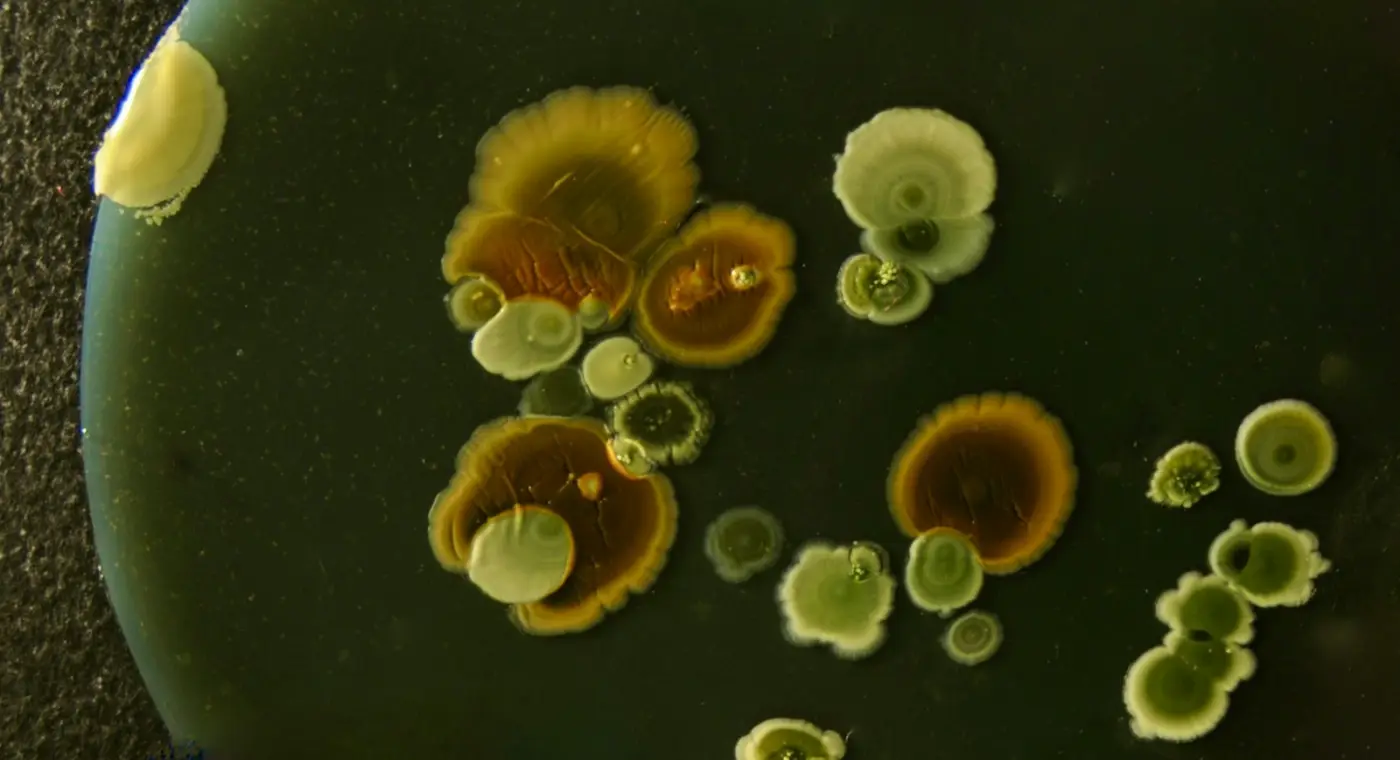
A team led by Hiroyuki Imachi and Masaru K. Nobu of the Japanese marine science agency JAMSTEC, with Satoshi Nakagawa of Kyoto University’s Faculty of Agriculture, has for the first time isolated and cultured two strains of Heimdallarchaeia. These archaea are considered among the closest known relatives of eukaryotes, the group that includes the cells of animals, plants and fungi. The study was published in Nature.
Neither strain has a nucleus or other membrane-bound organelles. Their surfaces carry several long, branching protrusions that let them attach to other microbes and form partnerships. Both live without oxygen, but one can grow with small amounts of it if oxygen-consuming bacteria are nearby.
The results suggest that the ancestor of eukaryotes was simple inside and that partnerships through the cell surface may have arisen before cells became internally complex, perhaps in a low-oxygen environment. The researchers will now study the structure of these cells and their interactions with other microbes.