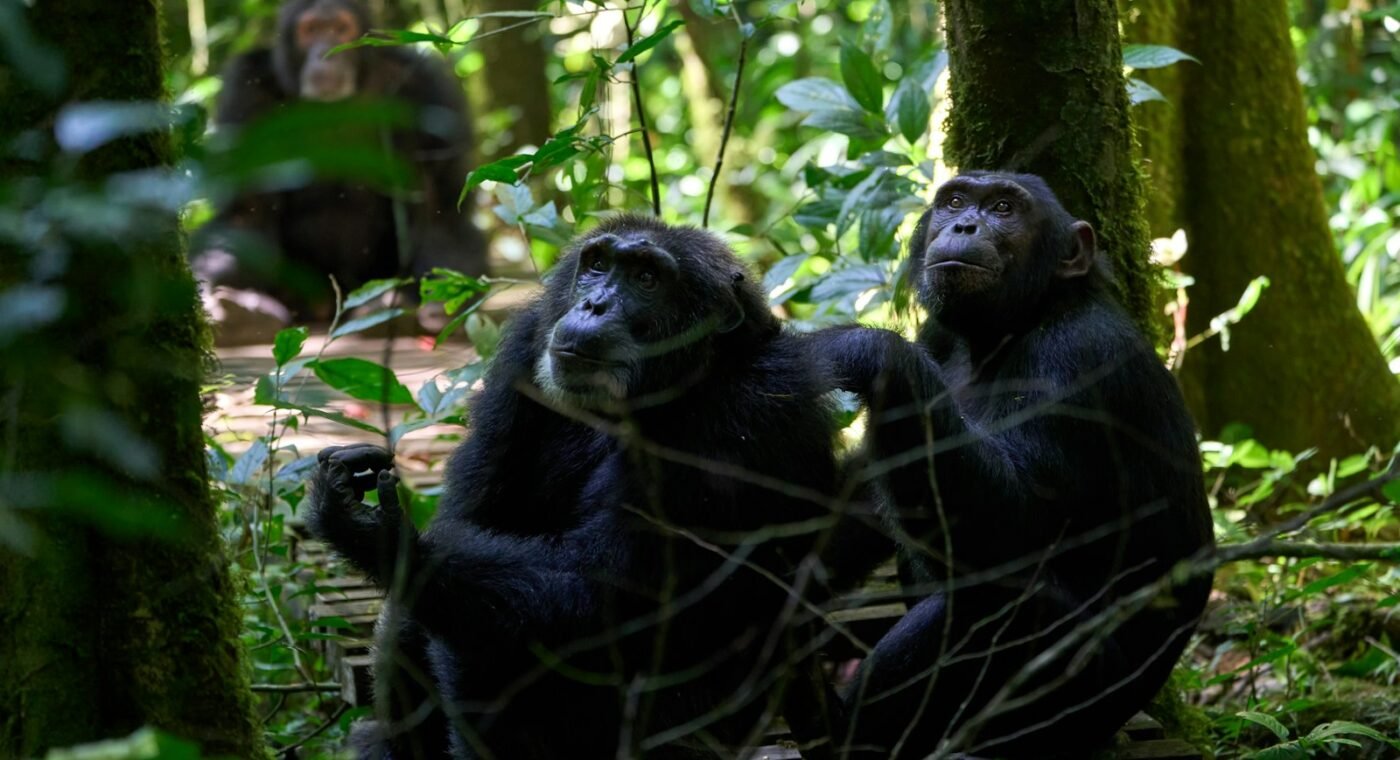
Human and chimpanzee genomes are more than 98 per cent identical, but until now there was no way to tell which differences have real biological effects. A new genetic atlas, published in Nature by researchers at McGill University, Kyoto University and the Weizmann Institute of Science, makes it possible to test this systematically for the first time.
In a first test on skeletal cells, the team examined hundreds of thousands of DNA differences and found that thousands of them appear to change gene activity. The results suggest that humans evolved to have fewer of the molecules that help cartilage retain water and withstand pressure.
That shift may have helped shape the human skeleton, but may also explain why we are more vulnerable to conditions such as osteoarthritis and osteoporosis, an “evolutionary trade-off”, says Professor Guillaume Bourque. The team now wants to apply the approach to other cells, notably in the brain.