UK moves ahead with a world-first mission to clean up space debris
A refuellable spacecraft will capture two defunct satellites and lower them to burn up in the atmosphere, with launch planned for 2029.
Rockets, probes and astronauts exploring space.
A refuellable spacecraft will capture two defunct satellites and lower them to burn up in the atmosphere, with launch planned for 2029.
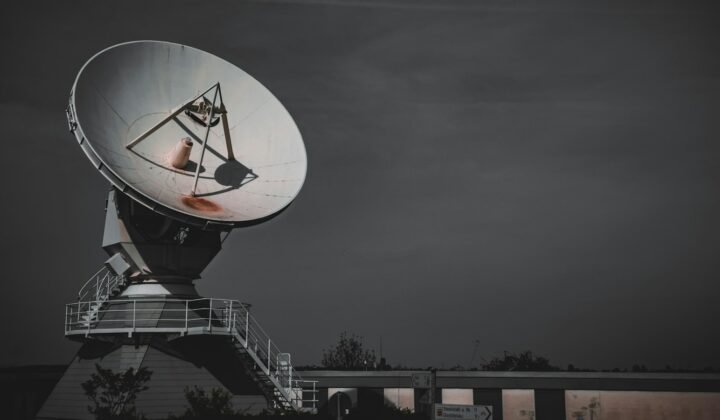
The new telescope can already guide, take images and slew between targets as planned, and some systems are performing better than required.
Two KAUST experiments have been sent to the International Space Station to see how brain cells respond to microgravity.
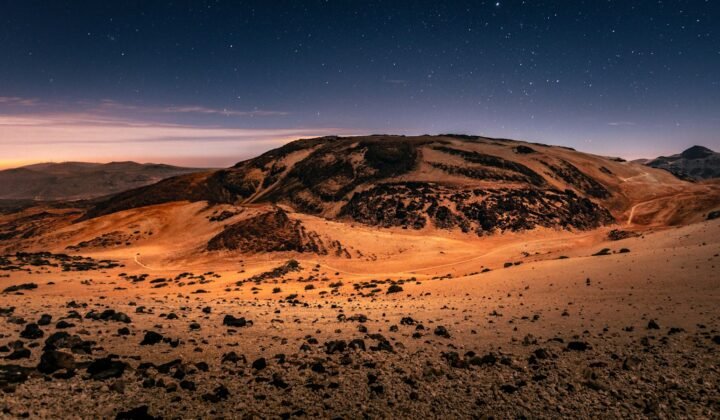
On 11 October NASA’s rover reached 45.22 km on Mars, a mark recognised by Guinness World Records.
KAIST’s device uses a reaction between vitamin C and baking soda to push the drops, with no pump or electricity.
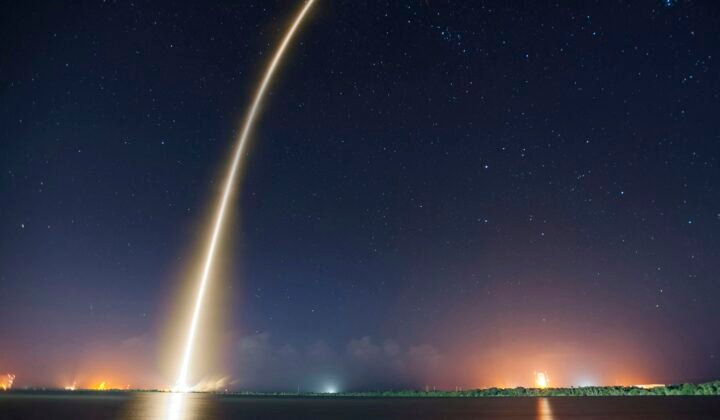
Launched on 20 October on an H3 rocket, JAXA’s probe aims to be the first to collect samples from Phobos and return from the Mars system.
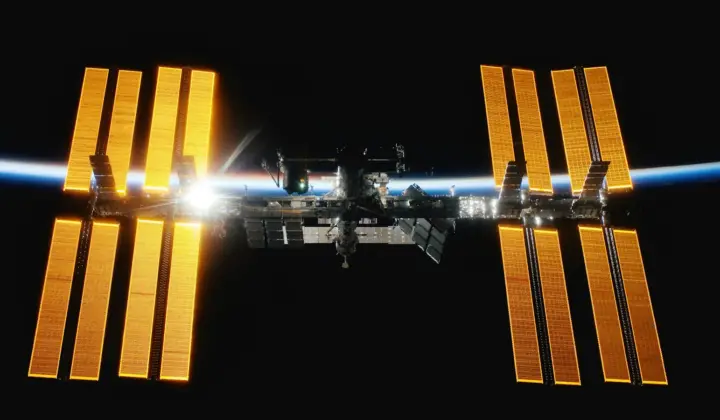
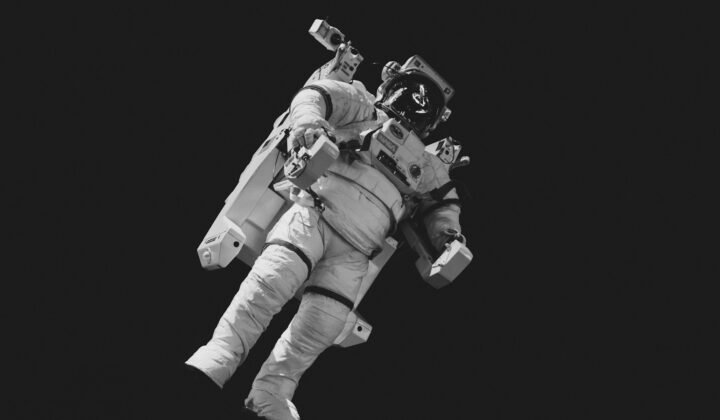
On her first mission to the International Space Station she worked on 35 European experiments and made three spacewalks.
Türkiye hosted the 77th International Astronautical Congress, with more than 50 papers by TÜBİTAK researchers.
The SIMBIO-SYS instrument, led by INAF and backed by the Italian Space Agency, switched on its three channels and is ready for the science phase.
The CORSAIR/WASP mission reached about 31 kilometres in altitude and tested technology for a future campaign in Antarctica.
The funding will help Canadian companies develop and test space technologies with commercial potential.
The four crew members completed more than 3,792 orbits and hundreds of hours of research before splashing down safely.
Positive news every day. No spam, no drama.
Visitantes ordenados do maior para o menor
A carregar...
All recordings are in the public domain · Wikimedia Commons / Musopen