A study led by the Max Planck Institute of Animal Behavior in Germany, with Swansea University and 68 researchers, is the largest ever carried out on how much it costs to fly in the wild. The results were published in Science.
The team combined 17 years of GPS and accelerometer data from 850 birds and bats of 38 species with four years of radar data. In total, 50 species were studied, from about 12 grams to over 11 kilograms.
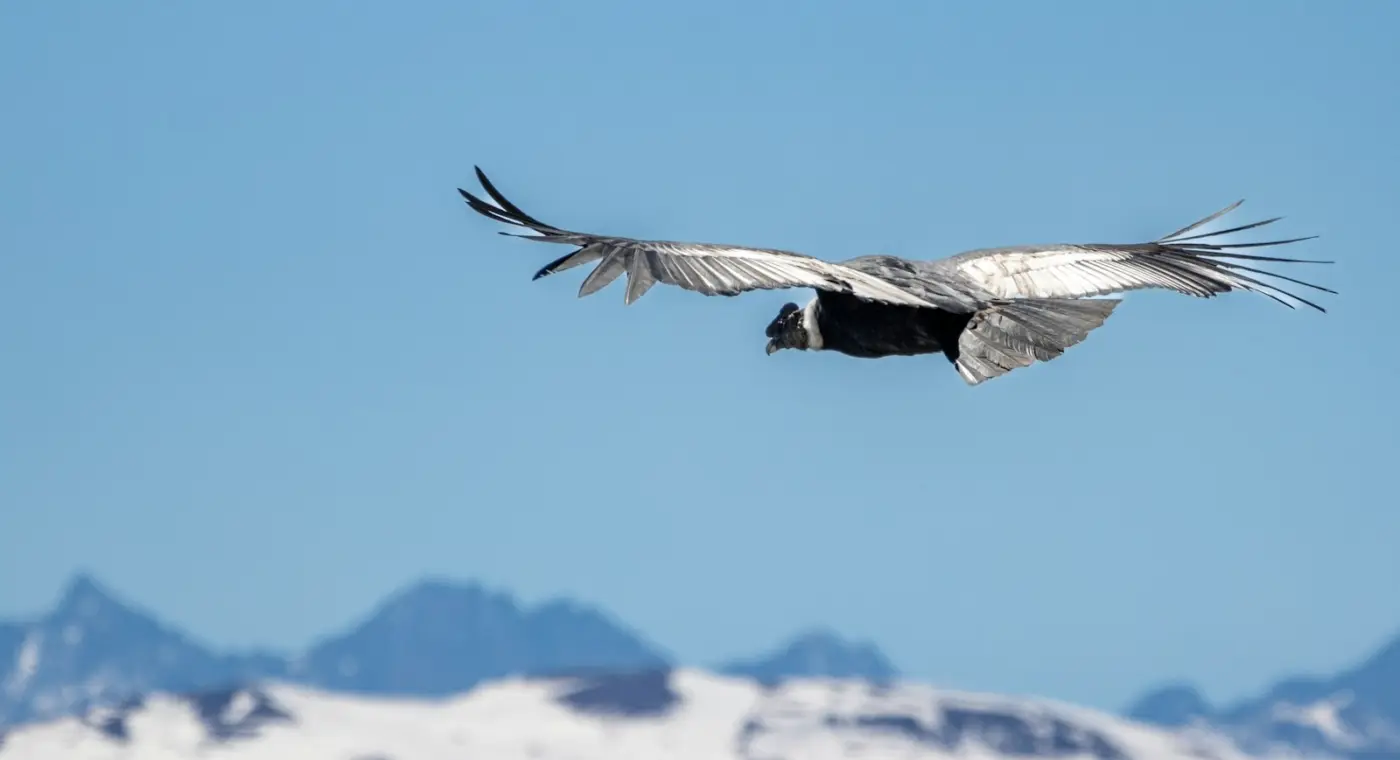
An Andean condor and a trumpeter swan both weigh about 11 kilograms, but the condor’s cost of transport was 79% lower: it flaps for only 0.1% of its flight time, while the swan does so 99% of the time. Seven vulture species together covered more than 4.3 million kilometres with almost no flapping.
The study shows that the classic ranking of travel costs, measured in the laboratory, does not hold in the wild. The researchers now want to measure energy use directly, for example through heart rate, and study how climate change may alter flight and migration.