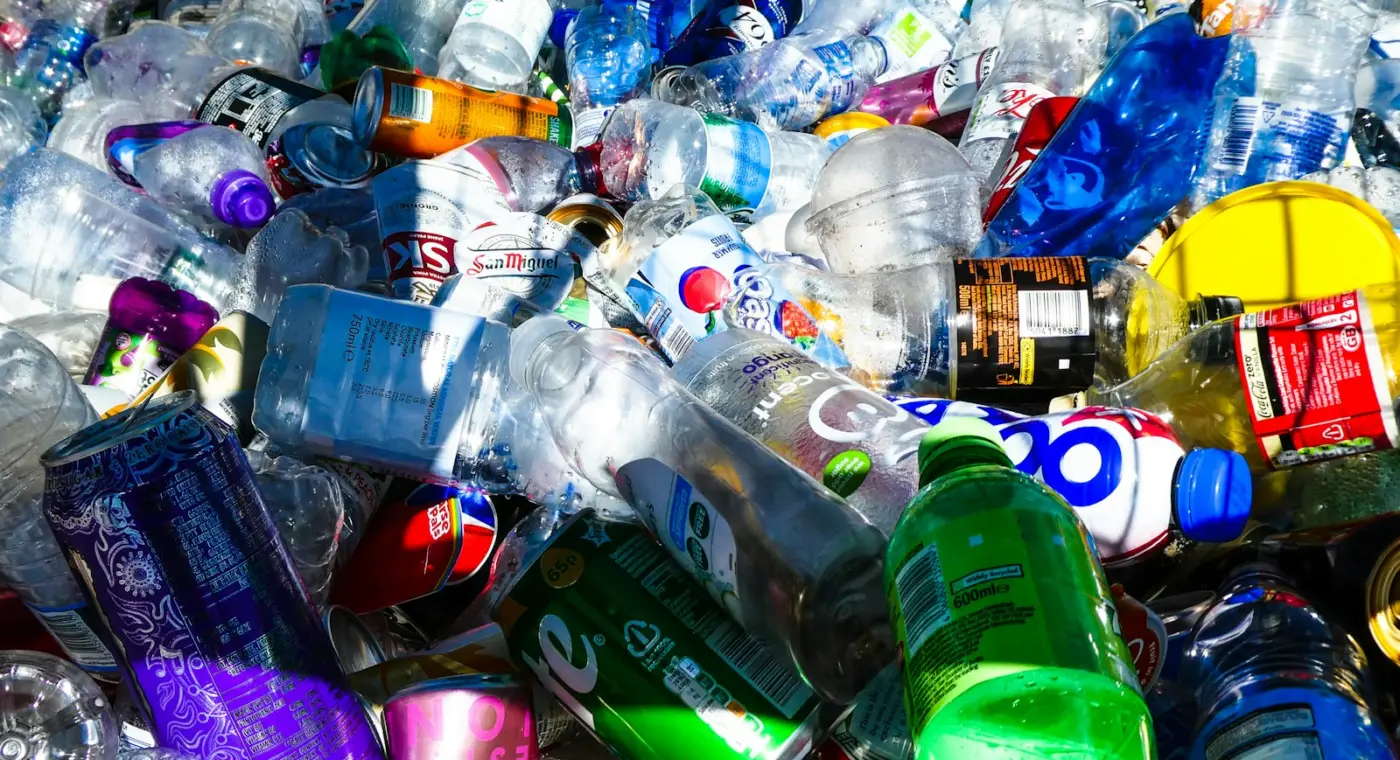
A team led by polymer chemist Tae-Lim Choi, with senior scientist Hongsik Kim, at ETH Zurich has developed a process to turn polyethylene and polypropylene waste — such as plastic bags and bottles — into high-performance adhesives. The work was published in the Journal of the American Chemical Society and announced by ETH on 5 November.
The waste is dissolved in a chlorinated solvent and mixed with monomers. Light generates chlorine radicals that activate the polymer chains so new polymers can be grafted onto them — all in a single step, without expensive catalysts or high temperatures. According to ETH, the adhesive meets the requirements for industrial load-bearing joints.
Around 450 million tonnes of plastic are produced every year, and polyolefins make up about half of consumption. The process is patented and has been nominated for the Spark Award; the researchers call it a first-generation product and are working with industry on applications such as food packaging.