Scientists from the Federal University of Rio Grande do Norte (UFRN), the Federal University of Pará (UFPA), the Instituto Peixe das Nuvens and the University of West Florida in the US have described a new Amazon fish species: Laimosemion laranja. The study was published in the journal Zoosystematics and Evolution, with UFRN doctoral student Yuri Abrantes as first author.
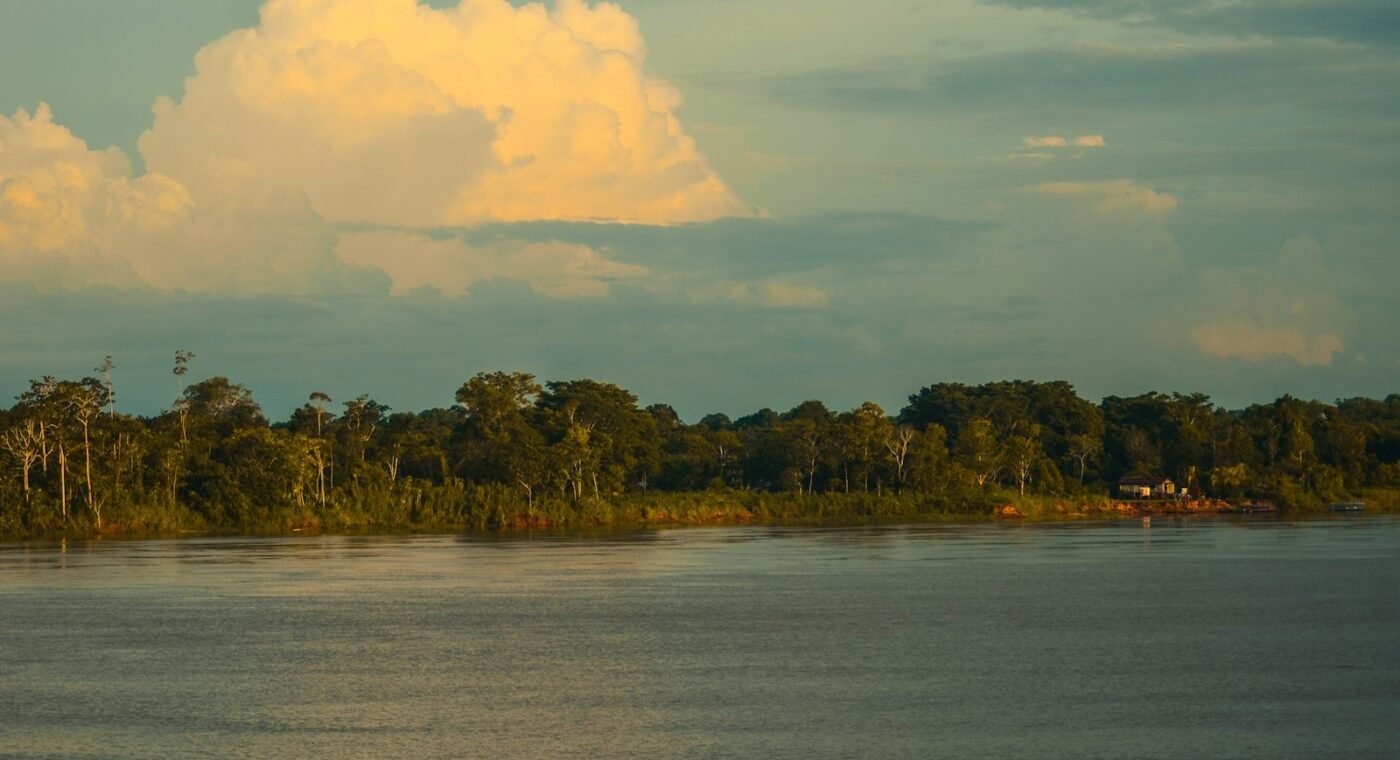
The name refers to the fish’s orange colour (“laranja” in Portuguese) and to the municipality of Laranjal do Jari, where one specimen was found. The species lives in seasonal pools and shallow streams linked to the Cajari River, a tributary of the Amazon, near the Cajari River Extractive Reserve in southern Amapá.
Adults reach at most 2.7 centimetres. The scientists told it apart from related species by its number of scales and vertebrae (28, against 30 or 31 in a close relative) and by genetic differences of 5.3% to 9.2%. The specimens were collected on a 2024 expedition, and the team returned the following year to gather more evidence.
The authors warn that the species may already be threatened: it lives in a small area, depends on pools that dry out and is isolated from the main river. Gold mining, urban growth and plastic waste are among the risks to its habitat, and naming it is the first step towards protecting it.