Scientists at Hospital de Amor in Barretos, São Paulo state, have identified blood markers that may help predict, before the first dose, whether a patient with advanced melanoma will respond to immunotherapy. The study was published in Clinical and Translational Oncology, coordinated by Lidia Rebolho Arantes with Bruna Sorroche as first author.
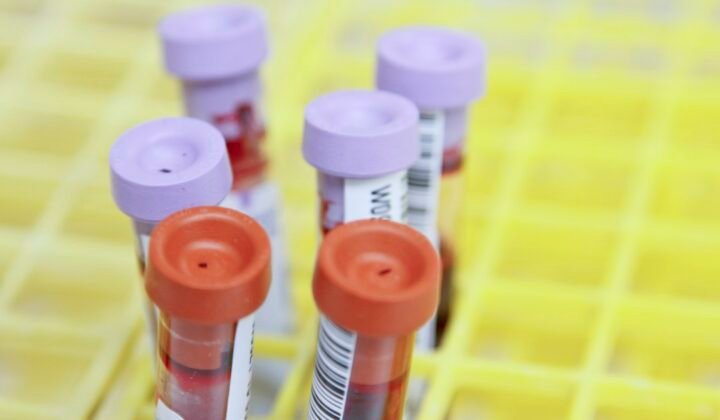
The team analysed samples from 136 patients with advanced or metastatic melanoma treated with anti-PD-1 immunotherapy in Brazil’s public health system (SUS) between 2016 and 2024. Those who responded poorly had high levels of the inflammatory protein IL-6, more monocytes and low levels of IL-10, which helps regulate the body’s defences. The tumour’s BRAF V600 mutation was also added to the set of signals.
Between 40% and 60% of patients with advanced melanoma do not respond to immunotherapy, an expensive and hard-to-access treatment. Knowing in advance who is less likely to benefit could spare them ineffective treatment and make better use of public resources. Brazil expects about 9,360 new melanoma cases a year between 2026 and 2028.
The markers are not yet used in clinical practice. The next step is to confirm the results in a larger study and build a “biological calculator” combining the main signals to guide treatment choices.