Luxembourg · Friday, 30 October 2026 Only good news · Every day

Lithuanian scientists identify new animal polyomaviruses to anticipate risks to human health

The Vilnius University team uses fluorescent pseudoviruses to safely study how viruses jump between species.

Lithuanian scientists identify new animal polyomaviruses to anticipate risks to human health
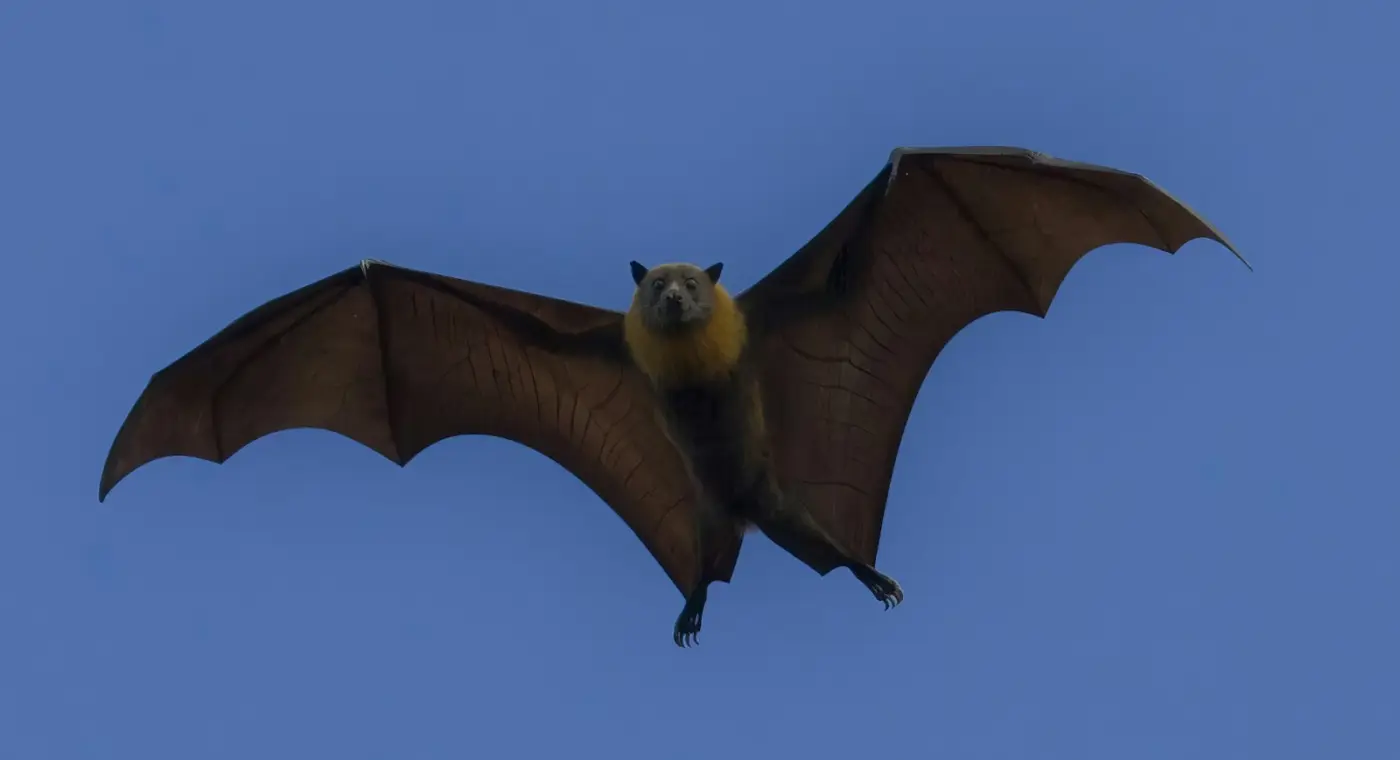
Illustrative image · Photo: John Torcasio / Unsplash

A team at Vilnius University’s Life Sciences Center in Lithuania, led by Milda Norkienė, studies animal polyomaviruses and whether they could affect people. Scientists estimate that over 99% of viruses have not yet been described.

Over 70% of emerging human infectious diseases are zoonoses, passed on by animals. Sixteen polyomavirus species linked to humans have been identified. To study species jumps safely, the team uses fluorescent pseudoviruses developed with virologist Christopher B. Buck of the US National Cancer Institute.

The group, funded by the Research Council of Lithuania, has already identified several new animal polyomaviruses, none of them known to threaten people.

Original sourceVilniaus universitetas — read the full story

This story was written with the help of artificial intelligence, based on the original source shown above. If you spot a mistake, please let us know. How we work

Leave a positive comment

Your email address will not be published. Required fields are marked *

One good story a day, in your inbox

Every morning at 8, a story to make you smile. No spam, no drama.

Serene harp
Classical music
0:00
0:00