WWF’s Living Planet Report 2026, produced with the Zoological Society of London, analysed some 35,803 population trends across 5790 vertebrate species. It records an average 73% fall in the size of monitored populations over 52 years, but also highlights concrete examples of recovery.
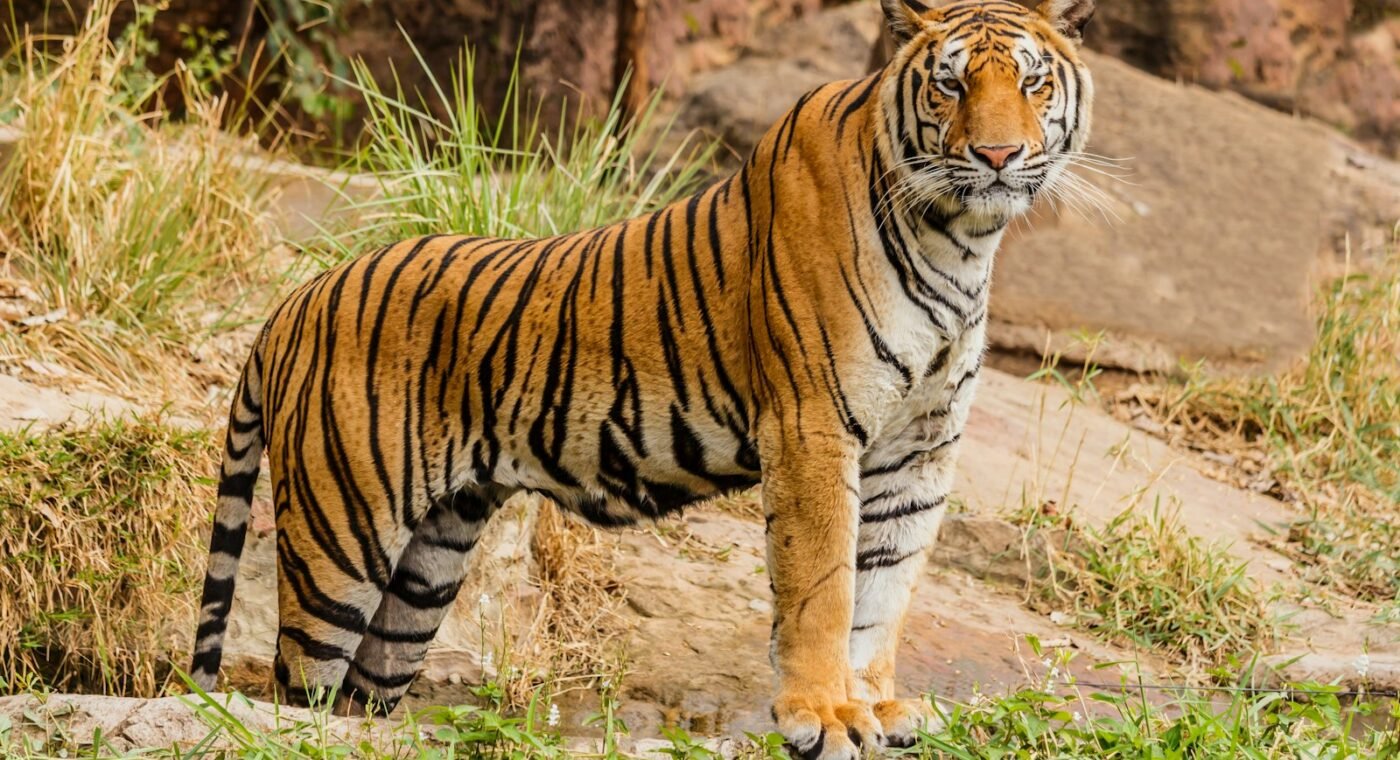
The most striking case is the tiger: in 2010, when the species seemed headed for extinction, about 3200 animals remained in the wild. Last year the population reached around 5700, a 70% increase.
Atlantic bluefin tuna, which collapsed after decades of overfishing, has recovered to the point where it is no longer considered threatened. In South Africa, elephant populations are stable or growing in many areas where local communities lead land management.
Last year, the green turtle also became the first sea turtle to move from ‘Endangered’ to ‘Least Concern’, the result of decades of protection work.