A team from SUERC, the universities of Glasgow, Edinburgh and St Andrews and National Museums Scotland has used whale teeth as a “dental time machine”. The study, announced by the University of Glasgow on 7 October, was published in Frontiers in Marine Science.
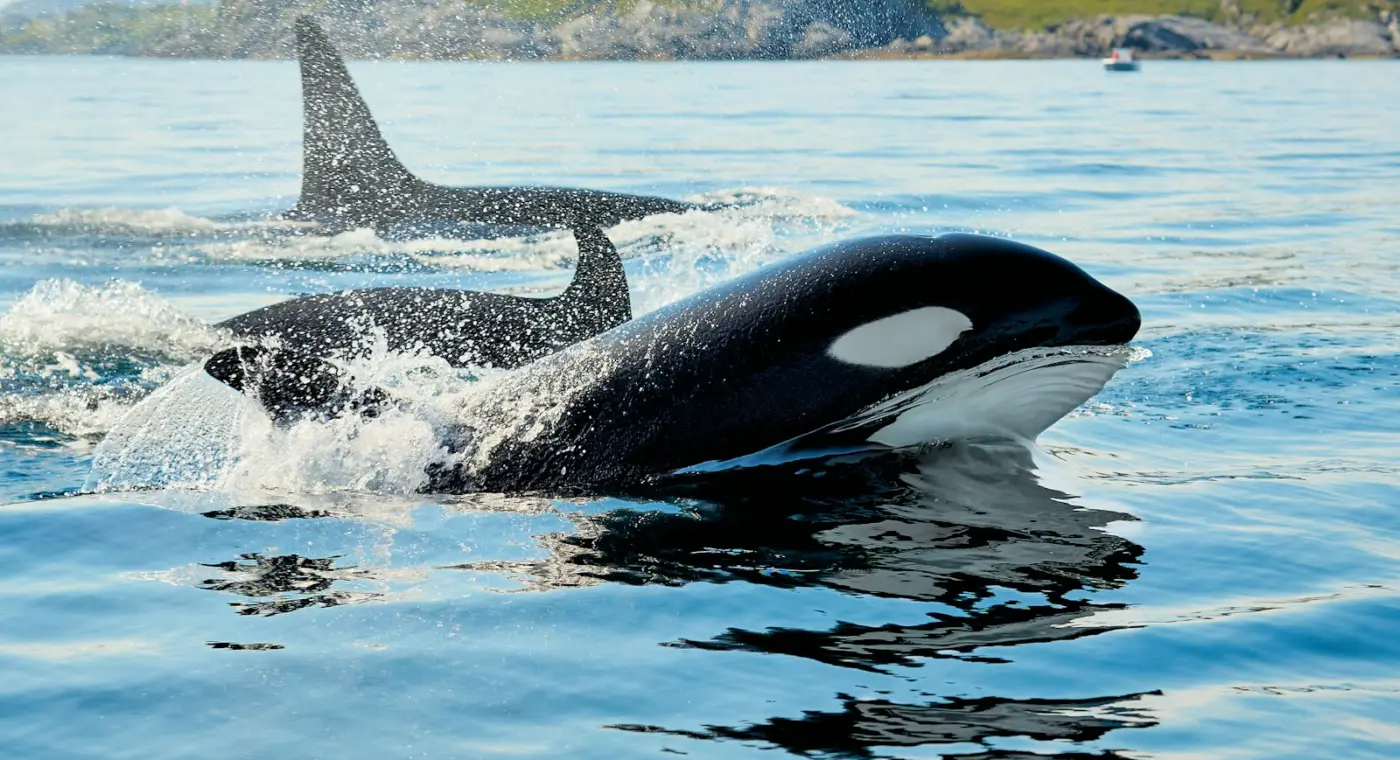
The scientists compared the radiocarbon in each tooth growth layer with the spike left by atmospheric nuclear weapons testing. They studied teeth from five animals stranded in Scotland: two sperm whales and three killer whales. They confirmed that layers form once a year in early and middle life but become less reliable in old age.
The sperm whale “Moby”, which stranded in the Firth of Forth in 1997, was at least 43 years old. A male killer whale from South Uist may have been 65 or older, possibly one of the oldest known. Lulu’s tooth showed she mostly fed off Scotland’s west coast, and isotopes revealed differences in diet between the orcas.