Francis Halzen, who earned his degree (1966) and PhD in physics (1969) at the Catholic University of Louvain, has received the 2026 Nobel Prize in Physics for pioneering work on neutrinos and the IceCube project. He is now a professor at the University of Wisconsin–Madison in the United States.
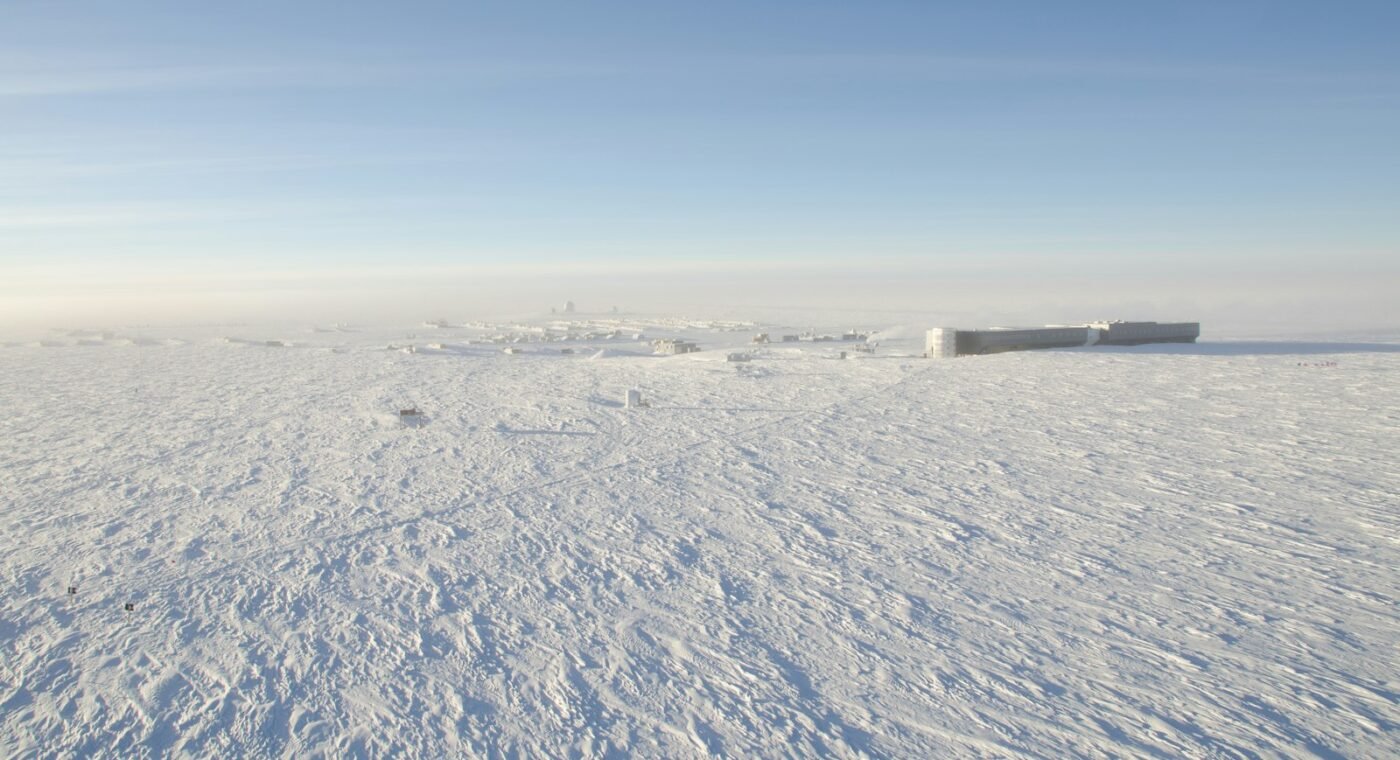
IceCube is a neutrino telescope installed beneath the ice at the South Pole. It covers more than one cubic kilometre and uses thousands of optical sensors to detect the tiny flashes of light produced when a neutrino collides with ice molecules. It allows scientists to study extreme cosmic phenomena such as black holes and supernovae.
UCLouvain remains involved in the field: a 12-person team led by astrophysicist Gwenhaël Wilberts Dewasseige contributes to IceCube and to KM3NeT, a neutrino observatory in the Mediterranean.