Workshop lorries bring manual trades to Luxembourg’s secondary schools
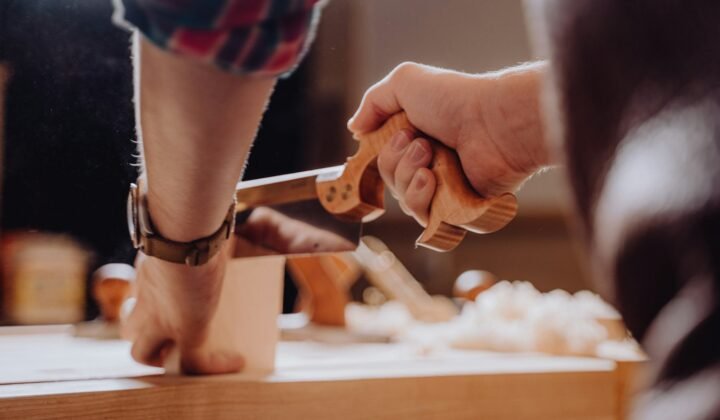
Three "SkillsTrucks" turn into workshops of around 90 m² where pupils can try out trades such as carpentry, pastry-making and hairdressing.
Three "SkillsTrucks" turn into workshops of around 90 m² where pupils can try out trades such as carpentry, pastry-making and hairdressing.
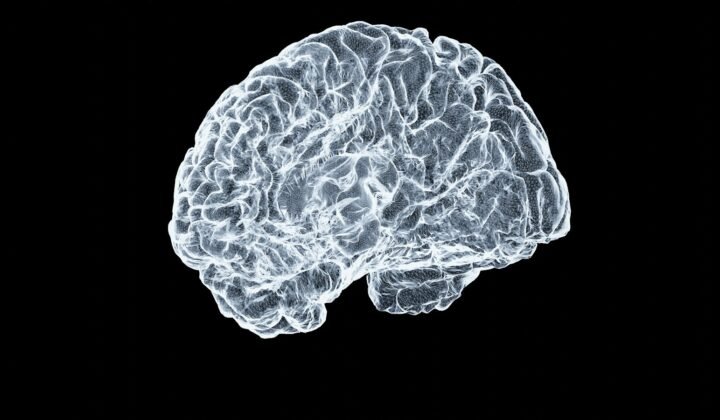
The Luxembourg Institute of Health's BrainEXP project aims to extract from routine MRI scans information that currently requires a PET scan, which is more expensive and less accessible.
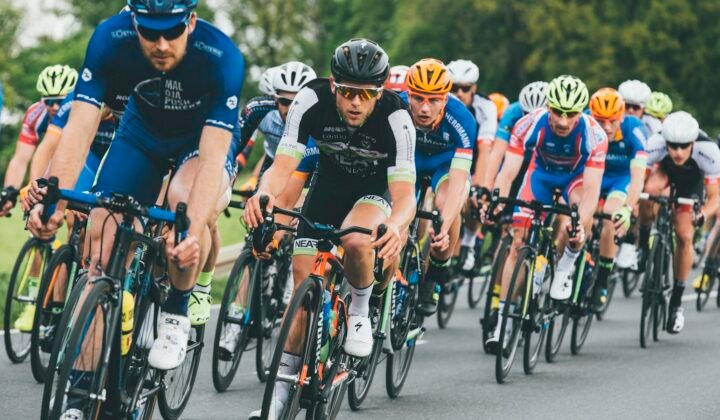
Six Luxembourgish riders made the podium in the mixed relay at the European Championships in Šenčur, securing the country's first medal of this edition.
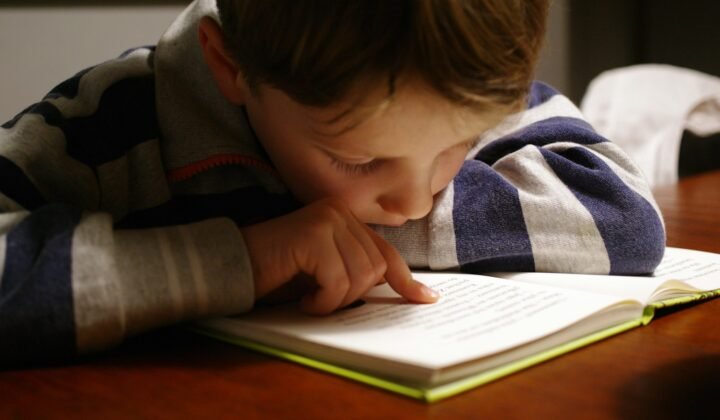
OIST researchers found that supporting images greatly reduce the errors children with ADHD make when retelling stories, which could help teachers and families.
Researchers at Kyoto University have shown that catching a small beetle with an attractant trap can indicate habitat quality in forests logged for timber.
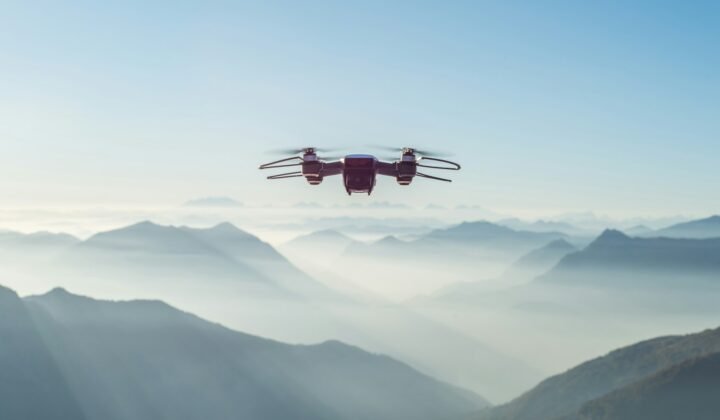
A communication system designed for the Internet of Things has sent high-definition video from a drone in flight, paving the way for communications in disasters and mountainous areas.
A study led by Tohoku University indicates where formaldehyde, a molecule linked to the origin of life, may have reached the Martian surface and points to possible targets for future missions.
Researchers at Tohoku University have shown that the compound MA-5 restores mitochondrial function in flies and in cells from patients with amyotrophic lateral sclerosis.
Akari Omori and Ryuga Tanaka became world champions for the first time, winning both gold medals on offer on the third day of the World Judo Championships.
The 76-year-old Japanese chemist shares the prize with Frenchman Henri Kagan for work on molecules that exist in two mirror-image versions, essential for manufacturing many medicines.
German scientists have found that argyrin B fights the bacterium Clostridioides difficile in mice while sparing beneficial gut flora.
The SeaEly project, coordinated by Fraunhofer IWES, has built test rigs to study electrolysis with salt or brackish water, saving drinking water.