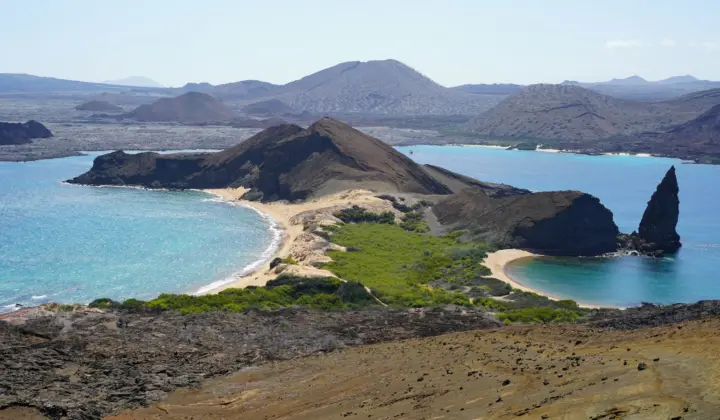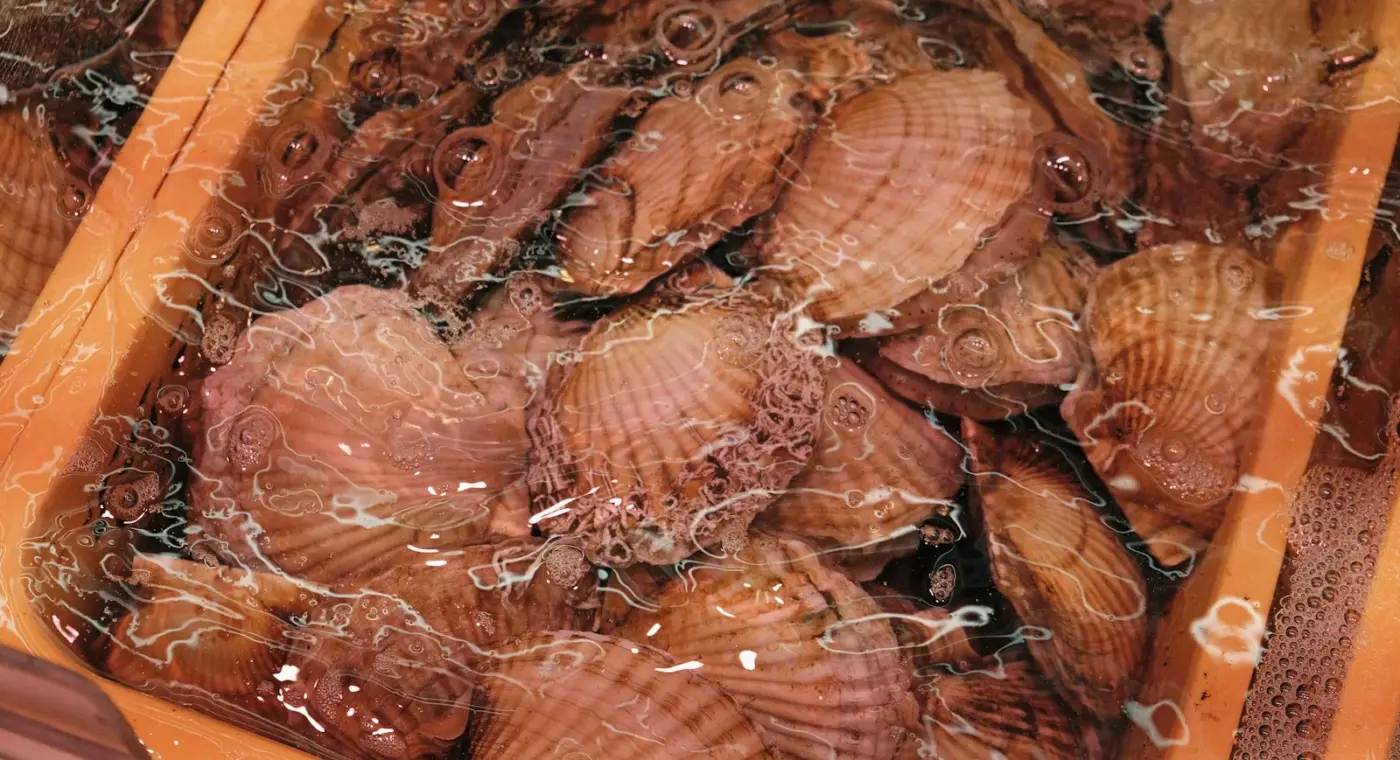
A CONICET team, Argentina’s national scientific research council, is restoring natural beds of Tehuelche scallops in Golfo San José, in northern Chubut province. The scallop is harvested by hand by divers at depths of up to 25 metres and supports the region’s artisanal fishery.
The method captures juvenile scallops on artificial mesh collectors, lets them grow for a few months and then seeds them on the seabed. In 2025 trials, seeded scallops grew at the same rate as natural ones and approached 60 millimetres, the legal minimum catch size, after about a year and a half.
In 2026 the team had to deal with sea squirts fouling the collectors. Cleaning by divers solved part of the problem, and a new collector design quadrupled the amount of seed gathered.
The next step is to install more collectors at sea, supported by the Williams Foundation, and to test the system with local fishers using their own boats and equipment. The researchers stress that the results are still at experimental scale but show that repopulation is feasible.