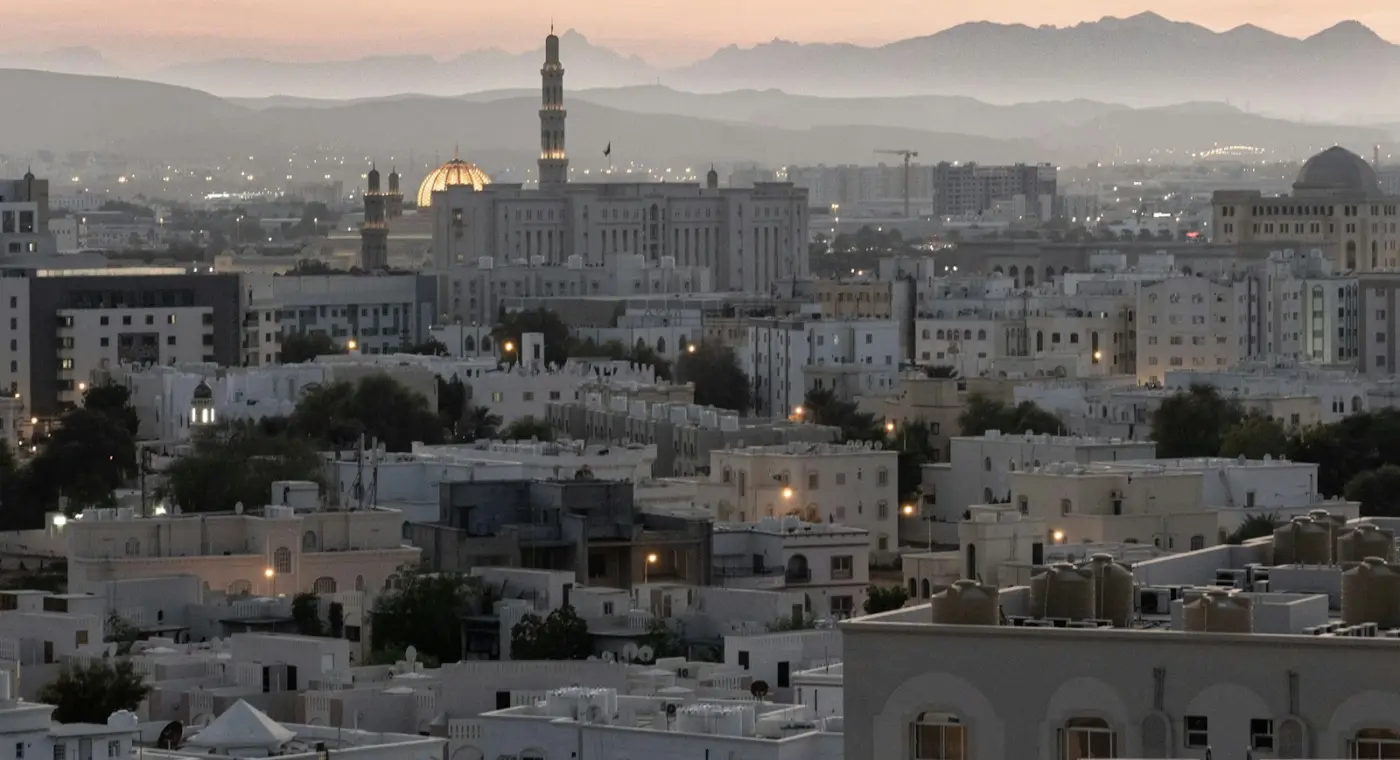
The Earthquake Monitoring Center at Sultan Qaboos University in Oman has completed M-RAFEEQ, a tool that assesses urban earthquake risk in an integrated way.
The framework combines seismic hazard with ground conditions, building vulnerability, population exposure, critical infrastructure, community preparedness and economic losses. The main study area was Al-Seeb in Muscat, a fast-growing district with dense housing, major roads, schools and hospitals.
The work was led by Dr Abdullah Ansari and Dr Issa El-Hussain. The findings show that risk depends not only on shaking but also on building quality and community preparedness, and they offer guidance for planning new cities in the country.