Researchers at St Petersburg State University, working with other Russian institutions, have developed a seed-protection method intended to lower the risk of plant disease and raise crop yields. The study was published in the journal Applied Biochemistry and Microbiology.
The technique is based on chitosan, a natural polymer derived from chitin that improves seed quality and germination, but whose solubility limits how long the effect lasts. To strengthen it, the team added glyoxal, an antibacterial agent used in agriculture, and applied a heat treatment that forms a polymer network.
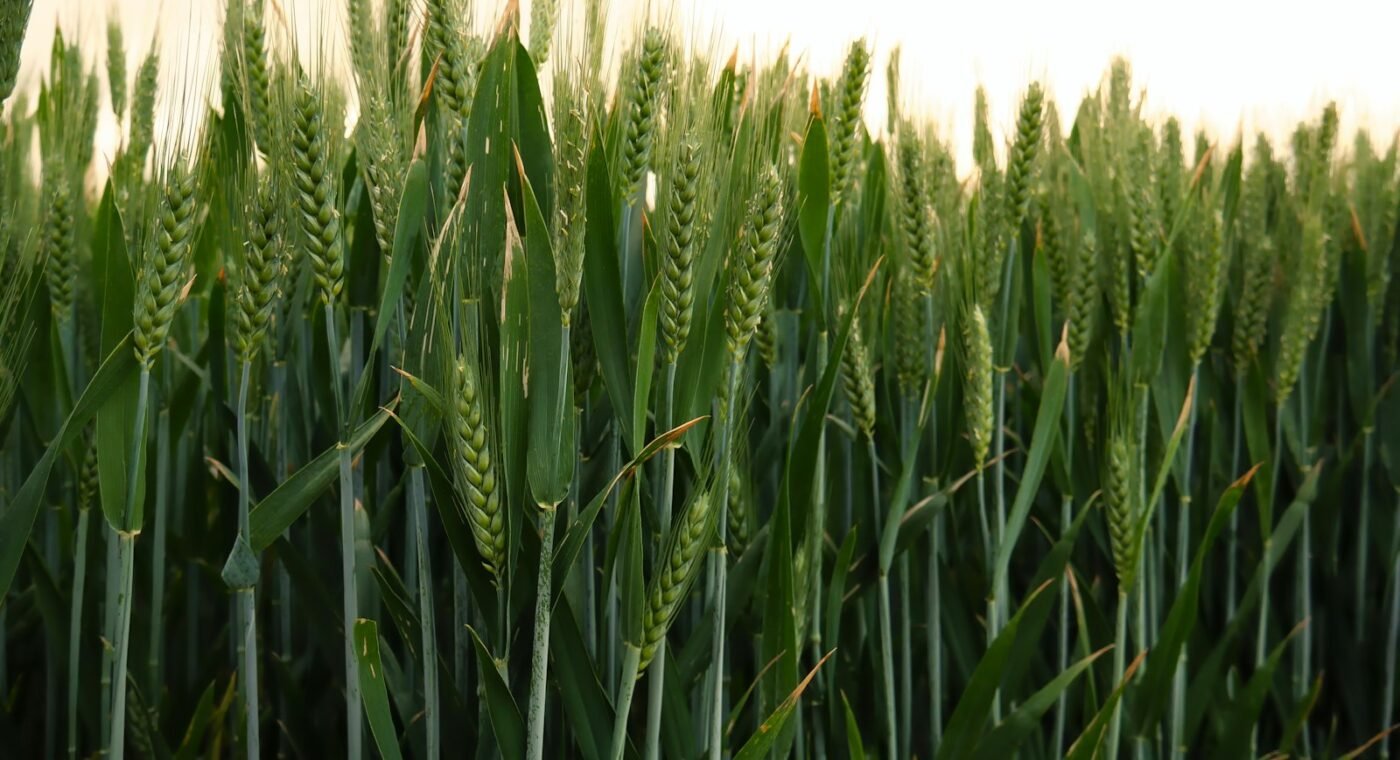
The most effective method involves soaking the seeds in a chitosan solution, drying them and then treating them with aqueous glyoxal. According to the authors, this procedure increases productivity more than 1.5-fold and reduces the risk of serious diseases; it was tested on soft wheat, an important crop for the harsh climate of north-western Russia.
For now, the technique has only been tested in the laboratory. “It has produced promising initial results,” said associate professor Mariia Fokina, stressing that further research will be needed to assess its use on an industrial scale.