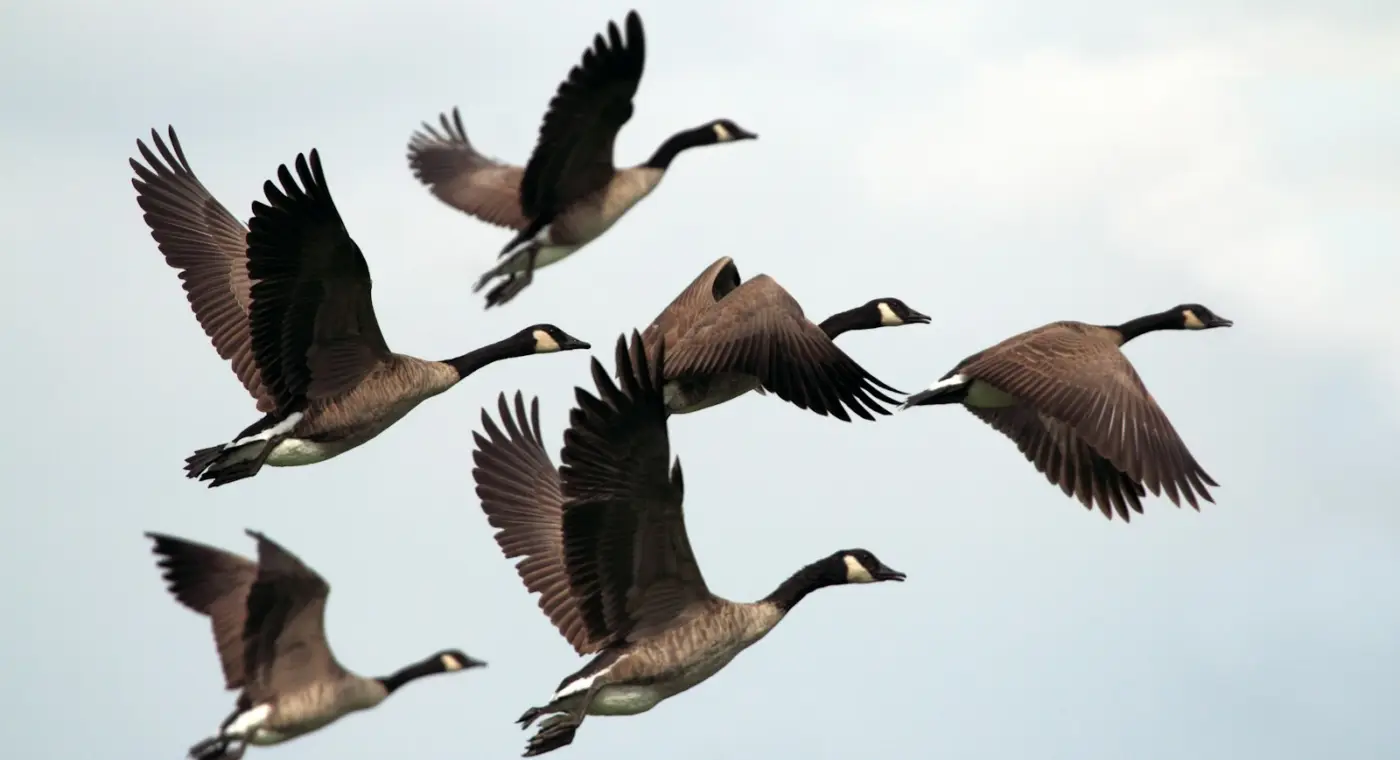
Researchers at Leiden University in the Netherlands — Yali Si, Chengyi Liu and Peter van Bodegom — studied five East Asian waterbird species, including the greater white-fronted goose and the tundra bean goose, migrating between Poyang Lake in China and Siberia. The study was published in the Journal of Animal Ecology.
The team analysed 220 GPS tracks collected over nine years and combined them with satellite vegetation data. Birds that made more stopovers better matched their arrival to the local start of spring, following the so-called “green wave” of fresh growth.
With spring arriving earlier, the findings underline the importance of protecting wetlands along the whole flyway, not just at departure and arrival sites.