An international team of Chinese, Australian and European researchers has found that Homo erectus, an ancient relative of our species, survived in southern China much longer than previously thought. The results, announced by the Chinese Academy of Sciences, appeared in two papers in Nature.
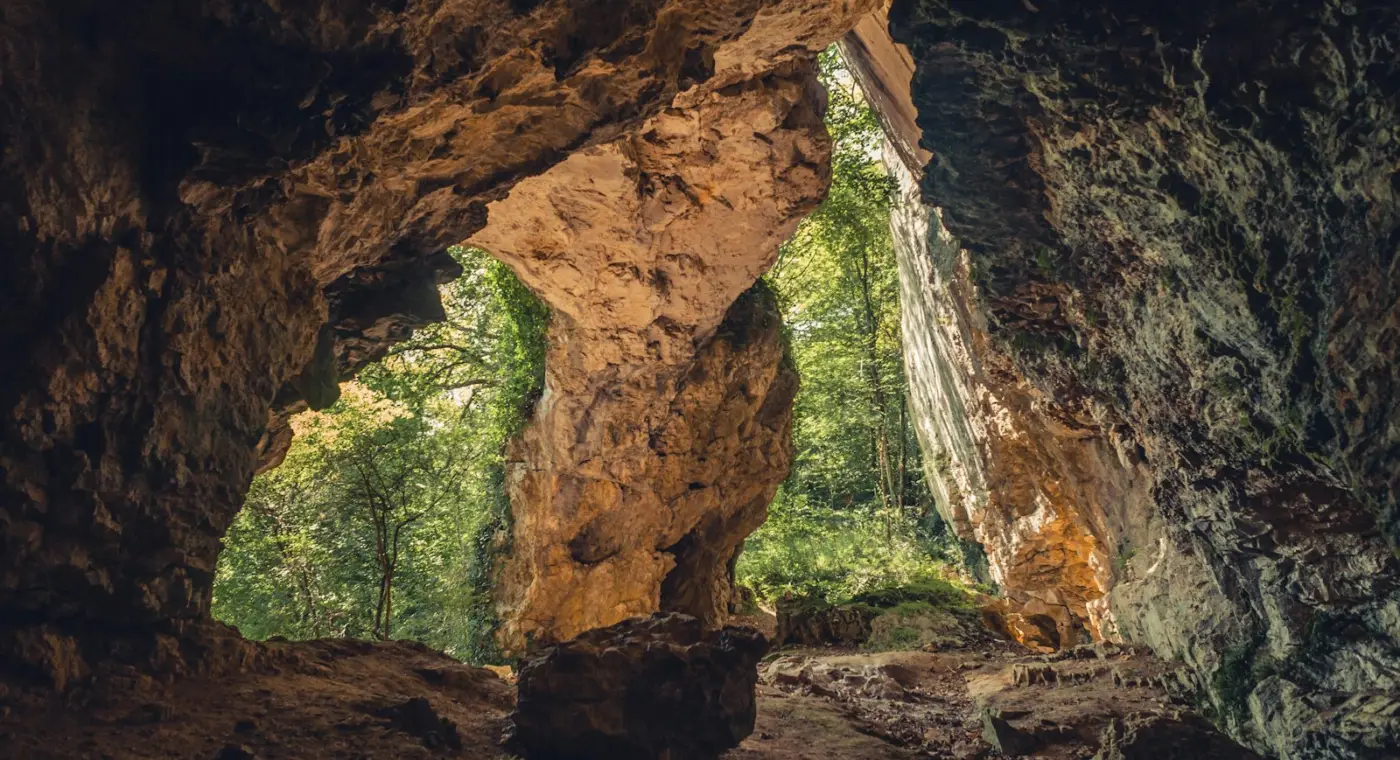
The study focused on nine human teeth and thousands of other fossils from two neighbouring caves, Baxian and Naxian, in the karst landscape of Guangxi. Eight of the teeth were identified as Homo erectus and dated with five independent techniques to between 324,000 and 184,000 years ago.
The chemistry of the human and animal teeth shows they lived in dense tropical rainforest rather than the open savannas usually linked to the species. The scientists say this challenges the view that such forests were too demanding for ancient humans and suggests Homo erectus was more adaptable than assumed.