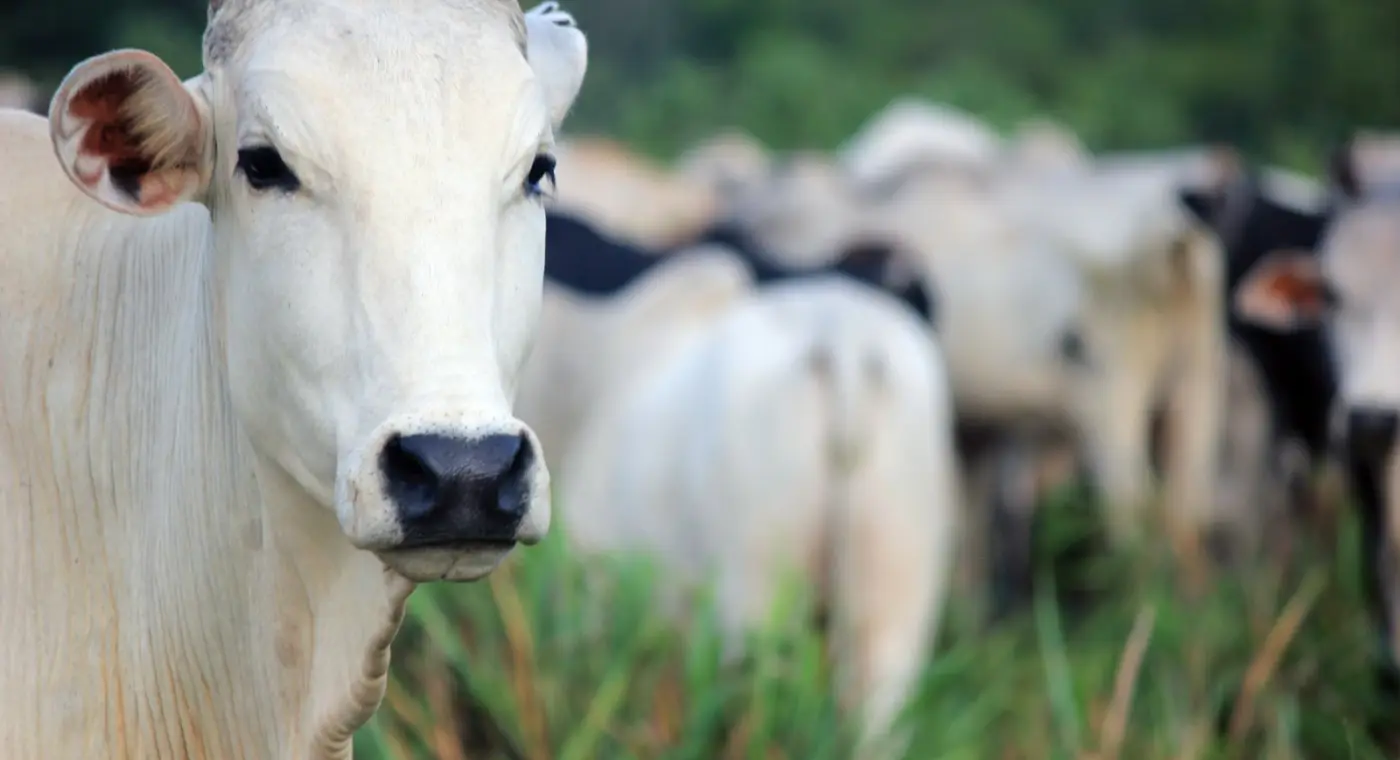
Scientists at Embrapa Pecuária Sudeste, supported by FAPESP, are mapping in detail the microbiota of Nelore cattle, Brazil’s most widely raised beef breed. Luciana Regitano presented the results at FAPESP Week Netherlands on 28 October, and Agência FAPESP reported them on 3 November.
The team jointly analysed DNA, RNA, proteins and other molecules from the animals’ tissues and rumen microbes. This allowed them to catalogue enzymes associated with better feed use and lower methane output — a gas that not only warms the planet but also wastes between 2% and 12% of the energy cattle get from feed.
About 40% of the genes identified appear in no international database, and almost half of the microbial species may be new to science. Next steps include lab tests of the hypotheses, isolating microbes and expanding international partnerships, with a view to future feed additives.